Support our educational content for free when you purchase through links on our site. Learn more
How Do We Prepare for a Camping Trip? 15 Essential Tips You Need to Know! 🏕️ [2024]


Are you ready to trade your smartphone for a starry sky and the sound of rustling leaves? Camping is one of those magical experiences that can rejuvenate your spirit and reconnect you with nature. But before you pack your bags and hit the road, there’s a lot to consider! From choosing the right gear to planning meals and activities, preparation is the key to a successful camping trip.
Imagine this: You arrive at your campsite, excited for a weekend of adventure, only to realize you’ve forgotten your tent! 😱 We’ve all heard horror stories like this, and we want to help you avoid them. In this comprehensive guide, we’ll walk you through 15 essential tips to prepare for your camping trip, ensuring you have everything you need for a memorable experience. Plus, we’ll share some insider secrets and practical advice that will make your next camping adventure a breeze!
Key Takeaways
- Start Planning Early: Give yourself plenty of time to research, gather gear, and make reservations.
- Create a Comprehensive Checklist: A detailed camping checklist is your best friend to avoid forgetting essentials.
- Choose the Right Location and Timing: Research your destination and consider the weather and crowds.
- Meal Planning is Crucial: Prepare meals in advance and pack snacks to keep energy levels high.
- Safety First: Always be prepared for emergencies by packing a first-aid kit and sharing your itinerary with someone.
Ready to gear up for your next adventure? 👉 Shop essential camping gear like tents, sleeping bags, and cooking equipment on Amazon or Walmart to ensure you have everything you need! 🌲✨
Table of Contents
- Quick Tips and Facts for Camping Preparation
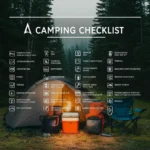
- The Ultimate Camping Checklist: Gear You Can’t Forget
- Planning Your Camping Trip: Location and Timing
- Food and Cooking Essentials for Your Camping Adventure
- Safety First: Preparing for Emergencies While Camping
- Setting Up Camp: Tips for a Comfortable Stay
- Fun Activities to Enjoy While Camping
- Leave No Trace: Responsible Camping Practices
- Camping with Kids: Tips for a Family-Friendly Experience
- The History of Camping: From Ancient Times to Modern Adventures
- Conclusion
- Recommended Links
- FAQ
- Reference Links
Quick Tips and Facts for Camping Preparation 🏕️
- Start planning early: Don’t wait until the last minute! Give yourself plenty of time to research, gather gear, and make reservations (if needed). What is the best way to prepare for camping?
- Check the weather: This seems obvious, but it’s crucial! Knowing the forecast will help you pack the right clothes and gear. 🌧️☀️
- Make a list (and check it twice!): A camping checklist is your best friend. It ensures you don’t forget any essentials.
- Practice setting up your tent: Do a trial run in your backyard before you go. This will save you time and frustration when you’re at the campsite.
- Let someone know your plans: Tell a friend or family member where you’re going and when you expect to be back. It’s always best to have someone aware of your whereabouts in case of an emergency.
The Ultimate Camping Checklist: Gear You Can’t Forget 🎒
We’ve all been there – arriving at the campsite, only to realize we’ve forgotten something crucial. Fear not! Our comprehensive checklist will ensure a smooth and enjoyable camping trip.
Shelter and Sleeping:
- Tent: Choose one that’s appropriate for the size of your group and the weather conditions.
- Sleeping bag: Opt for a bag with the appropriate temperature rating.
- Sleeping pad: This provides insulation and cushioning from the ground.
- Pillows: Don’t sacrifice comfort!
Cooking and Food:
- Camp stove and fuel: Essential for cooking meals and boiling water.
- Cooking utensils: Think pots, pans, spatula, cooking spoon, etc.
- Campfire essentials: Lighter, matches, fire starter.
- Cooler: Keep your food and drinks cold.
- Food and water: Pack enough for your entire trip, plus extra. For more insights, check out our Camping Food and Nutrition category.
Campsite Essentials:
- Camp chairs: Relax and enjoy the view.
- Camp table: Useful for food prep and eating.
- Lantern or headlamps: Provide light at night.
- First-aid kit: Be prepared for minor injuries.
- Insect repellent: Keep those pesky bugs away!
- Sunscreen: Protect your skin from the sun’s rays.
Personal Items:
- Appropriate clothing: Layers are key!
- Hiking boots: If you plan on exploring the trails.
- Toiletries: Toothbrush, toothpaste, soap, etc.
- Medications: Don’t forget any prescription medications.
This is just a starting point! Your specific needs will vary depending on your destination, the time of year, and the activities you have planned.
Planning Your Camping Trip: Location and Timing 🗺️
Choosing the right location and time of year can make or break your camping trip. Here’s what to consider:
Choosing a Location
- Proximity: How far are you willing to travel? A weekend getaway might be better suited for a closer location.
- Type of camping: Are you looking for a developed campground with amenities, or a more remote, primitive experience?
- Activities: What do you enjoy doing outdoors? Hiking, fishing, swimming, kayaking? Choose a location that offers activities you’ll love.
- Reservations: Many campgrounds require reservations, especially during peak season. Book in advance to avoid disappointment.
Timing is Everything
- Weather: Consider the climate and average temperatures for your chosen destination. Do you prefer warm and sunny, or cool and crisp?
- Crowds: Peak season (summer holidays, weekends) will generally be more crowded. If you prefer solitude, consider shoulder season or weekdays.
- Permits and fees: Some camping areas require permits or have entrance fees. Research this in advance.
Pro Tip: Use online resources like Recreation.gov and ReserveAmerica to find and book campsites.
Food and Cooking Essentials for Your Camping Adventure 🍲
Camp cooking doesn’t have to be bland and boring! Here’s how to plan delicious and satisfying meals:
Meal Planning Made Easy
- Plan ahead: Create a meal plan for each day, including breakfast, lunch, dinner, and snacks.
- Prep at home: Chop vegetables, marinate meat, and pre-mix pancake batter to save time and effort at the campsite.
- Keep it simple: Choose recipes with minimal ingredients and cooking steps. One-pot meals and foil packet dinners are great options.
- Don’t forget snacks: Pack plenty of energy-boosting snacks like trail mix, granola bars, and fruit.
Essential Cooking Gear
- Portable stove: A two-burner stove will give you enough space to cook most meals.
- Cast iron skillet: Versatile and durable, perfect for frying, sautéing, and even baking over a campfire.
- Cooler: Invest in a high-quality cooler to keep your food fresh for days.
- Reusable containers: Pack food in airtight containers to prevent spills and keep critters out.
Pro Tip: Freeze water bottles or gallon jugs of water to use as ice packs in your cooler. They’ll keep your food cold and provide drinking water as they melt.
Safety First: Preparing for Emergencies While Camping ⛑️
While we all hope for the best, it’s crucial to be prepared for the unexpected. Here are some essential safety tips:
Before You Go
- Share your itinerary: Let someone know your planned route and expected return time.
- Check the weather forecast: Be aware of potential hazards like storms, extreme temperatures, or wildfires.
- Pack a first-aid kit: Include bandages, antiseptic wipes, pain relievers, allergy medication, and any personal medications.
At the Campsite
- Be aware of your surroundings: Watch out for wildlife, poisonous plants, and potential hazards like cliffs or water.
- Store food properly: Keep food sealed in airtight containers and stored away from your tent to avoid attracting animals.
- Practice fire safety: Build campfires in designated areas and never leave them unattended.
In Case of Emergency
- Stay calm and assess the situation.
- If possible, move to a safe location.
- Use your cell phone or a whistle to signal for help.
- Administer first aid if needed.
Pro Tip: Consider taking a wilderness first-aid course to learn essential skills for handling emergencies in the outdoors.
Setting Up Camp: Tips for a Comfortable Stay ⛺
Arriving at your campsite and setting up camp is all part of the adventure! Here’s how to create a comfortable and functional home away from home:
Choosing the Right Spot
- Level ground: Look for a flat, level area to pitch your tent. This will ensure a comfortable night’s sleep.
- Drainage: Avoid setting up camp in a low-lying area, especially if rain is in the forecast.
- Shade: If possible, choose a spot with some natural shade to keep your tent cool during the day.
Pitching Your Tent
- Use a footprint or tarp: This will protect the bottom of your tent from moisture and punctures.
- Stake it down securely: Use tent stakes to anchor your tent firmly to the ground, especially in windy conditions.
- Ventilate: Open your tent’s vents to allow for airflow and prevent condensation buildup.
Creating a Livable Space
- Set up your cooking area: Position your camp stove and cooking gear on a stable surface, away from flammable materials.
- Create a “living room” area: Arrange camp chairs and a table for relaxing and enjoying meals.
- Hang a lantern or string lights: This will provide ambient light and create a cozy atmosphere.
Pro Tip: Bring a doormat or a piece of carpet to place outside your tent entrance. This will help keep dirt and debris from being tracked inside.
Fun Activities to Enjoy While Camping 🌲
Camping is the perfect opportunity to disconnect from technology and reconnect with nature. Here are some fun activities to enjoy:
Outdoor Adventures
- Hiking: Explore the trails and enjoy the scenic views.
- Fishing: Cast a line in a nearby lake or river.
- Swimming: Cool off with a refreshing dip in a lake or stream.
- Kayaking or canoeing: Paddle across a lake or explore a winding river.
- Bird watching: Observe the local birdlife and listen to their songs.
Campfire Fun
- Tell stories: Gather around the campfire and share spooky tales or childhood memories.
- Sing songs: Break out the guitars and sing along to your favorite campfire tunes.
- Play games: Charades, cards, and board games are always a hit.
- Stargazing: On a clear night, lie back and marvel at the stars.
Pro Tip: Bring a field guide to help you identify plants, animals, and constellations.
Leave No Trace: Responsible Camping Practices ♻️
As campers, it’s our responsibility to protect and preserve the natural environment. Follow these Leave No Trace principles:
Plan Ahead and Prepare
- Travel and camp on durable surfaces: Stick to established trails and campsites to minimize your impact.
- Pack it in, pack it out: Bring garbage bags and pack out everything you pack in, including food scraps.
- Dispose of waste properly: Use designated toilets or pack out human waste.
Minimize Campfire Impacts
- Use established fire rings: Build campfires only in designated fire rings or pits.
- Keep fires small: A smaller fire is easier to control and produces less smoke.
- Burn all wood and coals to ash: Extinguish fires completely and scatter cool ashes.
Respect Wildlife
- Observe wildlife from a distance: Do not approach or feed animals.
- Store food securely: Keep food and scented items sealed in airtight containers and stored away from your tent.
- Control pets at all times: Keep pets on a leash or leave them at home.
Be Considerate of Other Visitors
- Keep noise levels down: Be mindful of other campers, especially during quiet hours.
- Respect other campers’ privacy: Camp a reasonable distance from other campsites.
- Leave what you find: Preserve the natural beauty of the outdoors by leaving rocks, plants, and other natural objects undisturbed.
Pro Tip: Pack a small trowel or shovel to bury human waste at least 200 feet from water sources.
Camping with Kids: Tips for a Family-Friendly Experience 👨👩👧👦
Camping with kids can be an incredibly rewarding experience, creating lasting memories and fostering a love for the outdoors. Here’s how to make it a trip to remember:
Planning is Key
- Choose the right campsite: Look for campgrounds with kid-friendly amenities like playgrounds, swimming areas, or easy hiking trails.
- Involve kids in the planning: Let them help choose activities, pack their own backpacks, and even help set up the tent.
- Pack plenty of snacks and drinks: Hungry kids can quickly turn a fun trip into a meltdown.
- Establish a routine: Stick to a familiar schedule for meals, naps, and bedtime to minimize disruptions.
Keeping Kids Entertained
- Bring outdoor toys: Bubbles, balls, frisbees, and kites are always a hit.
- Explore nature: Go on a nature scavenger hunt, build a fairy house, or collect rocks and leaves.
- Play games: Card games, board games, and storytelling around the campfire are great ways to unwind after a day of adventure.
- Embrace the simple things: Sometimes the best entertainment is simply letting kids run free and explore their surroundings.
Safety First
- Establish boundaries: Set clear rules about where kids can and cannot go, especially around water and campfires.
- Pack a first-aid kit: Include kid-friendly items like bandages with fun designs and pain relievers formulated for children.
- Dress in layers: Kids’ body temperatures can fluctuate, so layering their clothing will help keep them comfortable.
- Apply sunscreen and insect repellent regularly: Protect delicate skin from the sun’s harmful rays and pesky bugs.
Pro Tip: Bring a portable potty for younger children who may not be ready for campground restrooms.
The History of Camping: From Ancient Times to Modern Adventures 🕰️

Camping, in its various forms, has been a part of human history for centuries, evolving from a necessity for survival to a beloved recreational activity.
Ancient Origins: Shelter and Survival
- Nomadic Cultures: Early humans, often nomadic, relied on portable shelters made from natural materials like animal hides and branches for survival during their travels.
- Hunting and Gathering: Temporary camps were essential for hunting and gathering expeditions, providing shelter and a base of operations.
Evolution of Camping: Leisure and Recreation
- 19th Century: The rise of industrialization and urbanization led to a renewed appreciation for nature and the outdoors. Camping transitioned from a necessity to a leisurely pursuit.
- Early 20th Century: The development of affordable camping gear, like canvas tents and lightweight sleeping bags, made camping accessible to a wider range of people.
- Post-World War II: The automobile boom and the creation of national parks and campgrounds further popularized camping as a family vacation option.
Modern Camping: Diverse Styles and Experiences
- Today, camping encompasses a wide range of styles and experiences:
- Car Camping: Driving to a designated campsite and setting up camp near your vehicle.
- Backpacking: Hiking into the wilderness and carrying all your gear on your back.
- RVing: Traveling and camping in a recreational vehicle, offering amenities and comforts of home.
- Glamping: A more luxurious form of camping, often featuring pre-set tents, comfortable bedding, and amenities like electricity and running water.
From ancient survival techniques to modern recreational pursuits, camping continues to evolve, offering a unique and rewarding way to connect with nature and create lasting memories.
Conclusion 🎉

Camping is an adventure that brings us closer to nature, creates lasting memories, and allows us to escape the hustle and bustle of everyday life. By preparing thoroughly, you can ensure a smooth and enjoyable experience. From selecting the right gear to planning your meals and activities, every detail counts.
In this guide, we’ve covered everything from essential gear to fun activities, safety tips, and responsible camping practices. Remember, the key to a successful camping trip is preparation. So, whether you’re a seasoned camper or a first-timer, use this comprehensive checklist and tips to make the most of your outdoor adventure.
Positives:
- Comprehensive gear checklist ensures you won’t forget anything essential.
- Practical tips for safety and comfort enhance your camping experience.
- Engaging activities keep everyone entertained and connected to nature.
Negatives:
- Some may find the extensive planning overwhelming.
- Not all tips may apply to every camping style or location.
Overall, we highly recommend following this guide to prepare for your next camping trip. With the right planning and mindset, you’re bound to have an unforgettable experience! 🌲✨
Recommended Links 🛒
-
Camping Gear:
- Tents: Shop Tents on Amazon | Shop Tents on Walmart
- Sleeping Bags: Shop Sleeping Bags on Amazon | Shop Sleeping Bags on Walmart
- Coolers: Shop Coolers on Amazon | Shop Coolers on Walmart
- First-Aid Kits: Shop First-Aid Kits on Amazon | Shop First-Aid Kits on Walmart
-
Books:
FAQ ❓

How do we prepare for a camping?
Preparing for a camping trip involves several steps:
- Choose your destination: Research campgrounds and select one that fits your needs.
- Make a checklist: Create a list of essential gear, food, and personal items.
- Plan meals: Decide what you’ll eat and prepare as much as possible in advance.
- Gather your gear: Collect all your camping equipment and ensure everything is in working order.
- Check the weather: Be aware of the forecast to pack appropriately.
What is the first thing to consider in a camping trip?
The first thing to consider is your destination. Research the area where you plan to camp, including its amenities, activities, and any potential hazards. Understanding the location will help you make informed decisions about gear, food, and safety.
Read more about “What is the first thing to consider in a camping trip?”
How do you prepare for a camping trip in the woods?
Preparing for a camping trip in the woods requires:
- Choosing a suitable campsite: Look for flat ground away from hazards like dead trees or water sources.
- Packing appropriate gear: Bring gear suited for the environment, including a reliable tent, sleeping bag, and cooking equipment.
- Understanding wildlife: Be aware of local wildlife and how to store food safely to avoid attracting animals.
- Navigating: Carry a map and compass or GPS device, as cell service may be limited.
What do we need to go camping?
To go camping, you’ll need:
- Shelter: Tent, tarp, or hammock.
- Sleeping gear: Sleeping bag, sleeping pad, and pillow.
- Cooking equipment: Camp stove, cooler, cookware, and utensils.
- Food and water: Enough for your entire trip, plus extra.
- Safety gear: First-aid kit, insect repellent, and sunscreen.
- Personal items: Clothing, toiletries, and any medications.
Read more about “🏕️ The Ultimate Camping Checklist: 100+ Items & Printable PDF Download …”
What are the best camping activities for families?
Family-friendly camping activities include:
- Nature scavenger hunts: Create a list of items for kids to find in nature.
- Campfire storytelling: Share stories or read books around the fire.
- Outdoor games: Bring along frisbees, balls, or cards for fun.
- Hiking: Explore nearby trails together and enjoy the scenery.
How can I make camping more comfortable?
To make camping more comfortable:
- Invest in quality gear: A good tent, sleeping bag, and sleeping pad can significantly enhance comfort.
- Bring extra pillows and blankets: These can make your sleeping arrangements cozier.
- Set up a comfortable seating area: Use camp chairs and tables to create a relaxing space.
- Plan for weather: Bring appropriate clothing and gear to stay warm and dry.
Read more about “Is it Comfortable to Sleep in a Tent? … 😴”
Reference Links 🔗
- Leave No Trace Center for Outdoor Ethics
- American Hiking Society
- National Park Service
- Beginner’s Guide to Camping | Essential Gear, Tips & More – KOA
By following these guidelines and tips, you’re well on your way to a successful and enjoyable camping experience! Happy camping! 🏞️🌟