Support our educational content for free when you purchase through links on our site. Learn more
Is it Comfortable to Sleep in a Tent? [2024] 😴

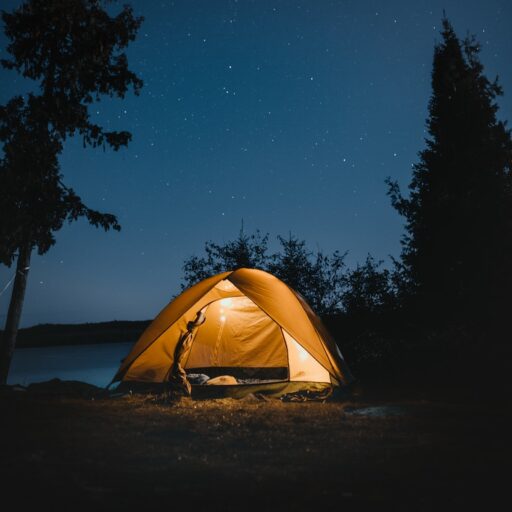
Picture this: you’re nestled in a cozy sleeping bag, surrounded by the sounds of nature, and gazing up at a sky full of stars. Camping is a wonderful way to disconnect from the hustle and bustle of everyday life and reconnect with the great outdoors. But when it comes to sleeping in a tent, you might be wondering, “Is it comfortable?”
Well, we’re here to answer that question for you! As seasoned campers and experts at Camping Checklist™, we’ve spent countless nights sleeping in tents and have gathered valuable insights from fellow campers. In this comprehensive guide, we’ll delve into the comfort factors of sleeping in a tent, share tips and tricks to enhance your camping experience, and recommend the best gear to ensure a good night’s sleep. So, let’s dive in and discover the world of tent sleeping comfort!
Table of Contents
- Quick Answer
- Quick Tips and Facts
- Background: The Comfort of Sleeping in a Tent
- Choosing the Right Camping Spot for a Good Night’s Sleep
- The Best Comfort Gear for Campers Who Want to Sleep Well
- Creating a Cozy Sleeping Environment
- Addressing Safety Concerns
- FAQ
- Conclusion
- Recommended Links
- Reference Links
Quick Answer
Yes, it is absolutely possible to sleep comfortably in a tent! In fact, many campers find that sleeping in a tent provides a unique and restful experience. The fresh air, soothing sounds of nature, and the feeling of being close to the outdoors can contribute to a peaceful night’s sleep. With the right gear and a few tips, you can create a cozy and comfortable sleeping environment that rivals your own bed at home.
✅ 👉 CHECK PRICE on: Tents | Sleeping Bags | Sleeping Pads | Inflatable Pillows
Quick Tips and Facts
Before we dive into the details, here are some quick tips and interesting facts about sleeping in a tent:
- Fresh air: Sleeping in a tent allows you to breathe in fresh air, which can improve the quality of your sleep and leave you feeling rejuvenated in the morning.
- Nature’s lullaby: The sounds of nature, such as chirping birds, rustling leaves, and gentle breezes, can create a soothing ambiance that lulls you into a peaceful slumber.
- Disconnect from technology: Camping gives you the opportunity to disconnect from screens and digital distractions, promoting better sleep and relaxation.
- Natural light: Waking up to the soft glow of sunlight filtering through the tent fabric can help regulate your sleep-wake cycle and make waking up a more pleasant experience.
- Minimalism: Camping encourages a minimalist lifestyle, allowing you to declutter your mind and focus on the essentials for a good night’s sleep.
Now that you have a taste of the benefits of sleeping in a tent, let’s explore the topic in more detail.
Background: The Comfort of Sleeping in a Tent

Sleeping in a tent has been a beloved tradition for outdoor enthusiasts for centuries. From the early explorers to modern-day campers, the allure of spending a night under the stars has captivated people’s imaginations. But what makes sleeping in a tent comfortable?
The Appeal of Outdoor Sleeping
There’s something magical about sleeping in the great outdoors. The simplicity of a tent, the closeness to nature, and the sense of adventure all contribute to the appeal. Many campers find that sleeping in a tent allows them to disconnect from the stresses of daily life and reconnect with the natural world. It’s a chance to escape the noise and distractions of the modern world and find solace in the simplicity of nature.
Benefits of Sleeping in a Tent
Sleeping in a tent offers a range of benefits that contribute to a comfortable and restful night’s sleep. Here are some of the key advantages:
-
Fresh air and ventilation: Tents are designed to provide adequate airflow, allowing fresh air to circulate and preventing condensation buildup. This can help regulate temperature and create a comfortable sleeping environment.
-
Noise reduction: While it may seem counterintuitive, sleeping in a tent can actually reduce noise disturbances. The fabric walls of a tent act as a barrier, muffling sounds from the outside world and creating a quieter sleeping environment.
-
Privacy and solitude: Camping allows you to escape the crowds and enjoy some much-needed privacy and solitude. This sense of seclusion can contribute to a more peaceful and restful sleep.
-
Connection with nature: Sleeping in a tent allows you to immerse yourself in the natural world. The sights, sounds, and smells of the outdoors can create a calming and soothing environment that promotes relaxation and sleep.
-
Improved sleep quality: Many campers report experiencing deeper and more restorative sleep when camping. The combination of fresh air, physical activity, and reduced exposure to artificial light can help regulate your sleep-wake cycle and improve the overall quality of your sleep.
Now that we’ve explored the background and benefits of sleeping in a tent, let’s move on to the practical aspects of choosing the right camping spot for a good night’s sleep.
Choosing the Right Camping Spot for a Good Night’s Sleep
The location of your campsite plays a crucial role in the quality of your sleep. Here are some tips to help you choose the perfect spot:
1. Find a Peaceful Area
When selecting a camping spot, look for a peaceful area away from public spaces and bright lights. Avoid camping near busy trails or popular attractions, as these areas can be noisy and crowded. Instead, opt for more secluded spots where you can enjoy the tranquility of nature.
2. Consider Natural Elements
Take into account the natural elements that can affect your sleep. Look for a spot with natural shade provided by trees, as this can help regulate the temperature inside your tent. Consider the prevailing wind direction and choose a location that offers protection from strong gusts. Additionally, be mindful of potential hazards such as falling branches or uneven terrain.
3. Avoid Camping Near RV Areas
If possible, avoid camping near RV areas or campsites with generators. The noise and vibrations from these sources can disrupt your sleep and make it difficult to relax. Opt for more secluded areas where you can enjoy the peace and quiet of nature.
4. Level Ground
Choose a camping spot with level ground to ensure a comfortable sleeping surface. Sleeping on uneven terrain can lead to discomfort and poor sleep quality. If the ground is not perfectly level, use a sleeping pad or inflatable mattress to create a more even surface.
Now that you know how to choose the right camping spot, let’s explore the gear that can enhance your comfort while sleeping in a tent.
The Best Comfort Gear for Campers Who Want to Sleep Well
Having the right gear can make all the difference when it comes to sleeping comfortably in a tent. Here are some essential items to consider:
1. Tent
A good tent is the foundation of a comfortable camping experience. Look for a tent that accommodates the tallest person in your group and provides enough space for you to move around comfortably. Consider features like mesh windows for ventilation, pockets for storage, and double zippers for easy access.
✅ 👉 CHECK PRICE on: Tents
Tent Rating Table
| Aspect | Rating (out of 10) |
|---|---|
| Design | |
| Functionality | |
| Ventilation | |
| Durability | |
| Ease of Setup | |
| Overall |
Tent Design
The design of a tent can greatly impact your comfort while sleeping. Look for a tent that allows you to stand up inside, providing ample headroom and making it easier to move around. A tent with a spacious interior can make you feel less confined and enhance your overall comfort.
Tent Functionality
Consider the functionality of the tent, such as the number of doors and windows. Multiple doors allow for easy entry and exit, while windows provide ventilation and natural light. Look for tents with double zippers, as they offer more flexibility in terms of opening and closing the tent.
Tent Ventilation
Proper ventilation is essential for a comfortable sleeping environment. Look for tents with mesh windows or vents that allow for airflow while keeping insects out. Good ventilation helps regulate temperature and reduces condensation inside the tent.
Tent Durability
Durability is an important factor to consider when choosing a tent. Look for tents made from high-quality materials that can withstand various weather conditions. Reinforced seams, sturdy poles, and a robust rainfly are all indicators of a durable tent.
Ease of Setup
Consider the ease of setup when choosing a tent. Look for tents with a straightforward setup process, preferably with color-coded poles or clear instructions. Quick and easy setup means less time spent wrestling with your tent and more time enjoying the great outdoors.
2. Sleeping Bag
A comfortable sleeping bag is essential for a good night’s sleep in a tent. Consider the following factors when choosing a sleeping bag:
✅ 👉 CHECK PRICE on: Sleeping Bags
Sleeping Bag Rating Table
| Aspect | Rating (out of 10) |
|---|---|
| Design | |
| Insulation | |
| Comfort | |
| Durability | |
| Overall |
Sleeping Bag Design
Consider the design of the sleeping bag, including its shape and features. Rectangular sleeping bags offer more room to move around, while mummy-shaped bags provide better insulation. Look for features like a hood, multiple zippers for ventilation, and a water-repellent shell.
Sleeping Bag Insulation
Insulation is a crucial factor in determining the warmth and comfort of a sleeping bag. Consider the insulation material, such as down or synthetic fill. Down insulation offers excellent warmth-to-weight ratio, while synthetic insulation performs better in wet conditions.
Sleeping Bag Comfort
Comfort is key when it comes to sleeping bags. Look for features like a soft lining, ample room for movement, and a comfortable temperature rating suitable for the camping conditions you’ll encounter. Consider whether you prefer a snug fit or a more spacious sleeping bag.
Sleeping Bag Durability
Durability is important, especially if you plan on using your sleeping bag for multiple camping trips. Look for sleeping bags made from durable materials that can withstand regular use. Reinforced stitching and high-quality zippers are indicators of a durable sleeping bag.
3. Sleeping Pad
A sleeping pad provides insulation and cushioning, making your sleeping surface more comfortable. Consider the following factors when choosing a sleeping pad:
✅ 👉 CHECK PRICE on: Sleeping Pads
Sleeping Pad Rating Table
| Aspect | Rating (out of 10) |
|---|---|
| Insulation | |
| Comfort | |
| Portability | |
| Durability | |
| Overall |
Sleeping Pad Insulation
Insulation is an important factor to consider, especially if you’re camping in colder temperatures. Look for sleeping pads with a high R-value, which indicates better insulation. The R-value ranges from less than two for minimal insulation to beyond five for excellent insulation.
Sleeping Pad Comfort
Comfort is crucial when it comes to sleeping pads. Look for pads with sufficient thickness and cushioning to provide a comfortable sleeping surface. Consider whether you prefer an inflatable pad or a self-inflating pad, as both have their own advantages.
Sleeping Pad Portability
Portability is a key consideration, especially if you’re backpacking or hiking to your campsite. Look for sleeping pads that are lightweight and compact when packed. Consider the ease of inflation and deflation, as well as the pad’s size when fully inflated.
Sleeping Pad Durability
Durability is important, as sleeping pads are subjected to regular use and potential rough terrain. Look for pads made from durable materials that can withstand punctures and abrasions. Reinforced seams and high-quality valves are indicators of a durable sleeping pad.
4. Inflatable Pillow
An inflatable pillow can provide added comfort and support while sleeping in a tent. Consider the following factors when choosing an inflatable pillow:
✅ 👉 CHECK PRICE on: Inflatable Pillows
Inflatable Pillow Rating Table
| Aspect | Rating (out of 10) |
|---|---|
| Comfort | |
| Portability | |
| Durability | |
| Overall |
Inflatable Pillow Comfort
Comfort is the most important factor when it comes to inflatable pillows. Look for pillows with a soft and supportive surface that mimics the feel of a traditional pillow. Consider whether you prefer a contoured shape or a more traditional rectangular shape.
Inflatable Pillow Portability
Portability is a key consideration, especially if you’re backpacking or traveling light. Look for inflatable pillows that are lightweight and compact when deflated. Consider the ease of inflation and deflation, as well as the pillow’s size when fully inflated.
Inflatable Pillow Durability
Durability is important, as inflatable pillows are subjected to regular use and potential rough handling. Look for pillows made from durable materials that can withstand punctures and abrasions. High-quality valves and reinforced seams are indicators of a durable inflatable pillow.
Now that we’ve covered the essential gear for a comfortable night’s sleep, let’s explore how you can create a cozy sleeping environment in your tent.
Creating a Cozy Sleeping Environment
A few simple touches can transform your tent into a cozy and inviting sleeping space. Here are some tips to create a comfortable sleeping environment:
1. Soft Lighting
Use soft, diffused lighting in your tent to create a calming ambiance. Avoid bright lights that can disrupt your sleep. Consider using battery-powered lanterns or string lights to add a warm glow to your tent.
2. Bedding Comfort
Invest in high-quality bedding, including a comfortable sleeping bag, soft sheets, and cozy blankets. Layering your bedding allows you to adjust your warmth level according to the temperature. Consider using a mattress topper or a foam pad for added cushioning.
3. Personal Touches
Bring items from home that provide comfort and familiarity, such as a favorite pillow, a plush toy, or a cozy blanket. These personal touches can make your tent feel more like home and enhance your overall comfort.
4. Earplugs and Eye Masks
If you’re a light sleeper or camping in a noisy area, consider using earplugs and an eye mask to block out unwanted sounds and light. These simple accessories can help create a more peaceful sleeping environment.
5. Temperature Regulation
Pay attention to temperature regulation in your tent. During hot weather, open windows and vents to allow for airflow. In colder weather, use insulating layers and consider using a hot water bottle or hand warmers to keep warm.
By implementing these tips, you can create a cozy and comfortable sleeping environment that will have you drifting off to dreamland in no time.
Addressing Safety Concerns
While sleeping in a tent can be a comfortable and enjoyable experience, it’s important to address safety concerns to ensure a worry-free night’s sleep. Here are some common safety concerns and how to address them:
1. Wildlife Encounters
When camping in areas with wildlife, it’s important to take precautions to avoid encounters. Store food securely in bear-resistant containers or hang it from a tree branch away from your sleeping area. Familiarize yourself with local wildlife and their behavior to minimize the risk of encounters.
2. Weather Conditions
Be prepared for changing weather conditions by checking the forecast before your camping trip. Bring appropriate clothing and gear to stay warm and dry. Consider investing in a tent with good weather resistance and proper ventilation to withstand rain and wind.
3. Campfire Safety
If you plan on having a campfire, follow proper campfire safety guidelines. Clear the area around the fire pit of any flammable materials, and never leave the fire unattended. Extinguish the fire completely before going to sleep to prevent any accidents.
4. Personal Safety
Always prioritize personal safety while camping. Lock your tent when you’re not inside and keep valuables secure. Familiarize yourself with the campground rules and regulations, and be respectful of other campers’ privacy and space.
By taking these safety precautions, you can enjoy a comfortable and worry-free night’s sleep in your tent.
FAQ

Can you sleep comfortably in a tent?
Absolutely! Many campers find that sleeping in a tent provides a comfortable and restful experience. With the right gear and a few tips, you can create a cozy sleeping environment that rivals your own bed at home.
Read more about “What is the Best Entry Level Camping Tent in 2024? 🏕️”
Are you safe sleeping in a tent?
Camping in a tent is generally safe, but it’s important to take precautions to ensure your safety. Follow proper safety guidelines, such as storing food securely to avoid wildlife encounters and practicing campfire safety. Familiarize yourself with the campground rules and regulations, and prioritize personal safety at all times.
Read more about “What is the Best Tent You Can Buy in 2024? 🏕️”
Why do I sleep better in a tent?
There are several reasons why people often sleep better in a tent. The fresh air, soothing sounds of nature, and the feeling of being close to the outdoors can contribute to a peaceful night’s sleep. Additionally, camping allows you to disconnect from technology and enjoy a minimalist lifestyle, which can promote better sleep and relaxation.
Read more about “What NOT to Bring Camping: A Comprehensive Guide for Campers …”
Can you live comfortably in a tent?
Living in a tent long-term can be challenging, as it requires adapting to a simpler lifestyle and facing various logistical challenges. However, many people choose to live in tents for extended periods, such as during outdoor adventures or as part of a minimalist lifestyle. With the right gear and preparation, it is possible to live comfortably in a tent.
If you have any more questions about sleeping in a tent, feel free to ask! We’re here to help.
Conclusion

Sleeping in a tent can be an incredibly comfortable and rewarding experience. The fresh air, soothing sounds of nature, and the simplicity of outdoor living can contribute to a restful night’s sleep. By choosing the right camping spot, investing in quality gear, and creating a cozy sleeping environment, you can ensure a comfortable and enjoyable camping experience.
So, what are you waiting for? Grab your tent, pack your gear, and embark on an adventure in the great outdoors. Whether you’re camping in the mountains, by the beach, or in a serene forest, sleeping in a tent will provide you with unforgettable memories and a newfound appreciation for the beauty of nature.
✅ 👉 CHECK PRICE on: Tents | Sleeping Bags | Sleeping Pads | Inflatable Pillows
Recommended Links
- Camping Preparation Guide
- Camping Food and Nutrition
- Camping Gear Reviews
- Camping Gear Basics
- Camping Recipes
- What is the Best Entry-Level Camping Tent?