Support our educational content for free when you purchase through links on our site. Learn more
🏕️ 10 Essential Items for One Night Camping (2026)

Ever packed a suitcase for a single night away, only to realize you brought three pairs of shoes and a blender? We’ve all been there. The difference between a magical night under the stars and a shivering, sogy regret-fest often comes down to one thing: knowing exactly what to bring for one night camping. Unlike a weekend warrior’s expedition where you can afford to overpack “just in case,” a one-nighter demands precision and efficiency. You don’t need a kitchen sink; you need a survival kit that fits in your trunk or backpack.
Did you know that 80% of camping discomfort stems from poor sleep systems rather than bad weather? It’s true. A $20 sleeping bag on a thin pad is a recipe for a frozen back, while a $30 bag on the ground is just a warm cocoon. In this guide, we’re cutting through the noise to give you the ultimate 10-item checklist that covers everything from the perfect R-value for your sleeping pad to the specific biodegradable soap you need to leave no trace. We’ll even reveal the “sock paradox” that saves more trips than any fancy stove. Ready to stop guessing and start sleeping? Let’s dive in.
Key Takeaways
- Prioritize the “Big Three”: Your shelter, sleep system (bag + pad), and hydration strategy are non-negotiable; everything else is secondary.
- Insulate from Below: A high R-value sleeping pad is often more critical for warmth than the temperature rating of your sleeping bag.
- Ditch the Cotton: Moisture-wicking layers and wool socks are essential to prevent hypothermia, even in summer.
- Keep it Simple: For a single night, one-pot meals and a minimalist first aid kit are all you need to stay safe and fed.
- Leave No Trace: Always pack out your trash and use biodegradable soaps to protect the environment.
👉 Shop the Essentials:
- Sleeping Bags & Pads: Amazon | REI
- Tents & Shelters: Amazon | Backcountry
- Stoves & Cookware: Amazon | Jetboil
- First Aid & Safety: Amazon | Adventure Medical Kits
Table of Contents
- ⚡️ Quick Tips and Facts
- 🏕️ The One-Night Wonder: Why Less is More for Overnighters
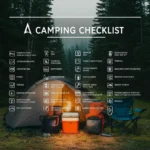
- 🎒 The Ultimate One-Night Camping Checklist: What to Pack
- 🧠 Pro Packing Strategies: How to Fit It All in One Bag
- 🌦️ Weather-Proofing Your Trip: Seasonal Adjustments for One Night
- 🐻 Leave No Trace: Ethical Camping Practices for Minimal Impact
- 🚫 Common Mistakes First-Time Campers Make (And How to Avoid Them)
- 🏁 Conclusion
- 🔗 Recommended Links
- ❓ FAQ: Your Burning Questions About One-Night Camping Answered
- 📚 Reference Links
⚡️ Quick Tips and Facts
Before you even touch a zipper or roll up a sleeping bag, let’s hit the pause button and get real about the one-night camping philosophy. We’ve all been there: the “just one night” trip turns into a 40-pound backpacking expedition because we forgot that less is more when you’re only sleeping under the stars once.
Here are the non-negotiables we’ve learned from years of muddy boots and early mornings:
- The “Three-System” Rule: Every successful trip boils down to three pillars: Shelter (keep the rain out), Sleep System (keep the cold ground out), and Hydration (keep the dehydration out). If you nail these, you can survive anything.
- The 10-Minute Setup Test: If your tent takes more than 10 minutes to pitch in the dark, you’re doing it wrong. For a one-nighter, efficiency is king.
- The Sock Paradox: You can forget the fancy stove, but never forget an extra pair of wool socks. Wet feet = misery.
- Leave No Trace (LNT): It’s not just a slogan; it’s the law. Pack out everything you pack in, including that apple core.
Pro Tip: Want to make your trip even more fun? Check out our guide on 🏕️ 35+ Fun Camping Essentials to Elevate Your 2026 Trip to see how a few small additions can turn a basic sleepover into an adventure.
🏕️ The One-Night Wonder: Why Less is More for Overnighters
Why do we complicate things? When you’re planning a weekend getaway, the temptation is to pack the kitchen sink. But for a one-night camping trip, the goal is simplicity.
Think of it like this: Would you pack a full wardrobe for a single dinner date? No. You’d pick the perfect outfit and go. Camping is the same. The “AFAR” article suggests checking the weather and choosing your camping style, which is spot on. But we take it a step further: Your gear should match your trip duration, not your anxiety.
The Psychology of the Short Trip
When you know you’re leaving the next morning, you don’t need a 4-season tent rated for -20°F unless you’re in the Arctic. You don’t need a 5-day supply of freeze-dried meals. You need comfort and reliability.
- Car Camping vs. Backpacking: If you’re driving to the site, weight doesn’t matter as much as comfort. You can bring a camp chair, a cooler, and a real pillow. If you’re hiking in, every ounce counts, and you’ll need to strip it down to the bare essentials.
- The “Just in Case” Trap: We’ve all packed that “just in case” item that never gets used. For a one-nighter, if you don’t need it today, leave it at home.
Question: Have you ever returned from a trip with a bag full of gear you never touched? We have. It’s time to break that cycle.
🎒 The Ultimate One-Night Camping Checklist: What to Pack
Alright, let’s get down to brass tacks. This is the meat of the article. We’ve broken this down into the 10 essential categories you need to survive and thrive.
1. 🌙 Sleep Systems: Sleeping Bags, Pads, and Pillows for a Good Night’s Rest
The ground is cold. Like, really cold. Even in summer, the earth sucks heat right out of your body. A sleeping bag alone isn’t enough; you need insulation from below.
The Rating Breakdown
| Feature | Importance (1-10) | Why It Matters |
|---|---|---|
| R-Value of Pad | 10 | Insulation is more critical than the bag’s temperature rating. |
| Bag Temperature Rating | 9 | Choose a bag rated 10°F lower than the forecast. |
| Pillow Comfort | 7 | Neck pain ruins sleep faster than cold. |
| Weight | 5 (Car) / 10 (Backpack) | Only matters if you’re hiking. |
Sleeping Bags
Don’t skimp here. A mummy-style bag is efficient, but a rectangular bag offers more room to move.
- Recommendation: For most one-nighters, a 3-season synthetic bag is versatile and dries faster if it gets damp.
- Brand Spotlight: The Marmot Trestles Elite Eco is a fantastic synthetic option that balances warmth and price.
👉 Shop Marmot on: Amazon | REI | Marmot Official
Sleeping Pads
❌ Avoid: Big, thick air mattresses from Walmart. They are uncomfortable, transfer movement, and offer zero insulation.
✅ Choose: An insulated self-inflating pad or a closed-cell foam pad.
- The Game Changer: The Therm-a-Rest NeoAir XLite is the gold standard for backpackers, but for car camping, the Klymit Static V offers great comfort at a lower price.
👉 Shop Klymit on: Amazon | Klymit Official
Pillows
Bring a real pillow from home if you’re car camping. If you’re backpacking, a Nemo Filo Luxury Camping Pillow is a game-changer.
- Pro Tip: Stuff your puffy jacket inside a stuff sack to make a makeshift pillow. It works in a pinch!
2. 🏠 Shelter Essentials: Tents, Tarps, and Rain Flys That Actually Work
Your tent is your castle. For a one-nighter, you don’t need a cathedral. You need a weatherproof shell.
- The “Rain Fly” Rule: Never trust a tent without a full-coverage rain fly. Even if the forecast says “sunny,” mountain weather changes fast.
- Footprints: Always use a footprint (or a cheap tarp) under your tent to protect the floor from rocks and moisture.
- Brand Spotlight: The Big Agnes Copper Spur is a favorite for its lightweight design and easy setup. For budget car camping, the Coleman Sundome is a reliable workhorse.
👉 Shop Coleman on: Amazon | Coleman Official
Did you know? A study by the Leave No Trace Center shows that 80% of tent damage occurs during setup and takedown, not while sleeping. Take your time!
3. 🍳 Cooking Gear: Portable Stoves, Fuel, and One-Pot Meal Ideas
Who wants to wash dishes after a long day? Nobody. That’s why we stick to one-pot meals.
The Minimalist Kitchen
- Stove: A simple canister stove like the Jetboil Flash or MSR PocketRocket 2 is perfect. They boil water in under 3 minutes.
- Fuel: Bring one small canister of fuel. It’s enough for a few boils.
- Cookware: A single titanium pot or a nesting mess kit (like the Snow Peak Lite).
👉 Shop Snow Peak on: Amazon | Snow Peak Official
Meal Ideas
- Breakfast: Instant oatmeal with dried fruit and nuts.
- Dinner: Dehydrated meals from Good To-Go or Mountain House. Just add boiling water.
- Snack: Trail mix, jerky, and chocolate.
Warning: Never cook inside your tent! Carbon monoxide is silent and deadly. Always cook outside, even if it’s raining.
4. 💧 Hydration and Water Filtration: Staying Safe and Sipping Clean
Water is life. But not all water is drinkable.
- Car Camping: Bring a 5-gallon water jug. It’s heavy, but you won’t have to filter.
- Backpacking: You need a filter. The Sawyer Squeeze or LifeStraw are lightweight and effective.
- The Rule of Thumb: Drink at least half a gallon person per day.
Fact: According to the CDC, waterborne illnesses like Giardia are common in backcountry streams. Always filter or treat your water.
5. 🔦 Lighting Solutions: Headlamps, Lanterns, and Power Banks
The sun goes down, and the forest gets dark. Fast.
- Headlamp: Essential for hands-free navigation. The Black Diamond Spot or Petzl Actik Core are top picks.
👉 Shop Black Diamond on: Amazon | Black Diamond Official - Lantern: For the campsite vibe, a BioLite 520 Lantern or a simple LED lantern works great.
- Power: Bring a power bank to charge your phone. The Anker PowerCore series is reliable.
6. 👕 Clothing Layers: What to Wear for Changing Weather Conditions
The golden rule: No cotton. Cotton absorbs moisture, loses insulation, and makes you cold.
- Base Layer: Merino wool or synthetic.
- Mid Layer: Fleece jacket or puffy down jacket.
- Outer Layer: Waterproof shell (rain jacket).
- Socks: Bring two pairs of wool socks. One for hiking, one for sleeping.
Story Time: We once met a guy who wore his cotton jeans to bed because he “forgot his pajamas.” He spent the night shivering and miserable. Don’t be that guy.
7. 🧼 Hygiene and Toiletries: Biodegradable Soaps and Trowels
You don’t need a shower, but you do need to be clean.
- Toilet Paper: Pack it out! Use a ziplock bag or a dedicated TP holder.
- Trowel: For digging catholes (6-8 inches deep) if there are no toilets.
- Soap: Joshua Tree Camp Soap is biodegradable and works for dishes and body.
👉 Shop Joshua Tree on: Amazon | Joshua Tree Official
8. 🚑 First Aid and Safety: Emergency Kits, Bear Spray, and Navigation
Safety first. Always.
- First Aid Kit: The Adventure Medical Kits Ultralight/Watertight kit is perfect for one-nighters.
👉 Shop Adventure Medical on: Amazon | Adventure Medical Official - Bear Spray: If you’re in bear country, carry it. Counter Assault is a trusted brand.
- Navigation: A physical map and compass, plus an offline map app like Gaia GPS or AllTrails.
9. 📱 Tech and Entertainment: Phones, Cameras, and Offline Maps
Disconnect to reconnect, but keep your phone for emergencies.
- Offline Maps: Download your area on Google Maps or AllTrails before you leave.
- Camera: A good camera or your phone is enough.
- Entertainment: A deck of cards, a book, or a journal.
10. 🚗 Car Camping vs. Backpacking: Tailoring Your Gear List
- Car Camping: Bring the big tent, the camp chair, the coler, and the real pillow. Comfort is key.
- Backpacking: Go ultralight. Ditch the chair, use a tarp instead of a tent if you’re brave, and carry only the essentials.
🧠 Pro Packing Strategies: How to Fit It All in One Bag
So, you have the gear. Now, how do you fit it?
- The “System” Method: Pack by system. All sleeping gear in one bag, all cooking gear in another.
- Compression Sacks: Use compression sacks for your sleeping bag and clothes to save space.
- Weight Distribution: If backpacking, put heavy items (food, water) close to your back and centered.
Question: Have you ever tried to fit a tent in a stuff sack that was too small? It’s a nightmare. Measure your gear before you buy your bags!
🌦️ Weather-Proofing Your Trip: Seasonal Adjustments for One Night
Weather is the great equalizer. Here’s how to adjust:
- Summer: Focus on ventilation and bug protection. Bring a bug net and plenty of water.
- Winter: Focus on insulation. Bring a 4-season tent, a warmer sleeping bag, and a high R-value pad.
- Rain: Bring a tarp to create a dry cooking area.
Fact: The National Weather Service recommends checking the forecast 24 hours before your trip, as conditions can change rapidly in the mountains.
🐻 Leave No Trace: Ethical Camping Practices for Minimal Impact
We love the outdoors, and we want it to stay that way. Follow the 7 Principles of Leave No Trace:
- Plan Ahead and Prepare.
- Travel and Camp on Durable Surfaces.
- Dispose of Waste Properly.
- Leave What You Find.
- Minimize Campfire Impacts.
- Respect Wildlife.
- Be Considerate of Other Visitors.
Tip: Use a bear canister or hang your food properly to protect wildlife and your dinner.
🚫 Common Mistakes First-Time Campers Make (And How to Avoid Them)
We’ve seen it all. Here are the top mistakes:
- Mistake 1: Underestimating the cold. Even in summer, nights can be chilly.
Fix: Bring a bag rated lower than the forecast. - Mistake 2: Forgetting the rain fly.
Fix: Always check your tent setup before dark. - Mistake 3: Not testing gear at home.
Fix: Set up your tent in the backyard before you go. - Mistake 4: Overpacking.
Fix: Stick to the checklist. If you don’t need it, leave it.
Story Time: We once met a camper who brought a full set of dishes, a blender, and a coffee maker for a one-night trip. He spent the whole time washing dishes instead of enjoying the sunset. Don’t be that guy!
🏁 Conclusion
So, there you have it. The ultimate guide to what to bring for one night camping. Whether you’re a seasoned pro or a first-timer, the key is to keep it simple, keep it safe, and keep it fun.
Remember, the goal isn’t to have the most expensive gear; it’s to have a great experience. Pack your sleep system, check your shelter, bring your water, and get out there.
Final Thought: The best memories are made when you least expect them. Will your next one-nighter be a disaster or a dream? It’s up to you.
🔗 Recommended Links
Essential Gear Shopping
- Sleeping Bags: Marmot Trestles Elite Eco | REI
- Sleeping Pads: Klymit Static V | Klymit Official
- Tents: Coleman Sundome | Coleman Official
- Stoves: Jetboil Flash | Jetboil Official
- First Aid: Adventure Medical Kits | Adventure Medical Official
- Headlamps: Black Diamond Spot | Black Diamond Official
Books & Guides
❓ FAQ: Your Burning Questions About One-Night Camping Answered

What are the essential items for a one-night camping trip?
The absolute essentials are a shelter (tent or tarp), a sleep system (bag and pad), water (or a filter), food, lighting (headlamp), and a first aid kit. Everything else is a bonus.
Read more about “What Are the 25 Essential Things to Bring Camping in 2026? 🏕️”
How much food should I pack for a single night of camping?
Plan for two meals (dinner and breakfast) and a few snacks. A good rule of thumb is 1.5 to 2 pounds of food person. Don’t overpack; you’ll only be there for one night!
Read more about “🧻 The Ultimate Toilet Paper Guide: Secrets, Safety & The Best Brands (2026)”
Do I need a tent for one night of camping or can I use a hammock?
You can use a hamock if you have the right gear (underquilt, tarp, and straps). However, a tent is generally more versatile and easier to set up for beginners. If you choose a hammock, make sure you have insulation from below.
What clothing is best for a one-night camping trip in any season?
Dress in layers. Start with a moisture-wicking base layer, add a warm mid-layer (fleece or down), and finish with a waterproof outer layer. Avoid cotton at all costs. Bring an extra pair of wool socks.
Why is cotton bad for camping?
Cotton absorbs moisture and loses its insulating properties when wet, leading to hypothermia. Synthetic or wool fabrics wick moisture away and keep you warm even when damp.
Can I use a sleeping bag rated for 40°F if it’s 50°F outside?
Yes, but you might be cold. It’s better to have a bag rated 10°F lower than the expected temperature. You can always unzip it if you’re too warm.
📚 Reference Links
- Leave No Trace Center: https://lnt.org/
- National Weather Service: https://www.weather.gov/
- CDC Water Safety: https://www.cdc.gov/drinking-water/index.html
- The Essential Camping Checklist for a Weekend Outdoors – AFAR: https://www.afar.com/magazine/the-essential-camping-checklist
- Marmot Official: https://www.marmot.com/
- Klymit Official: https://klymit.com/
- Coleman Official: https://www.coleman.com/
- Jetboil Official: https://www.jetboil.com/
- Adventure Medical Kits: https://www.adventuremedicalkits.com/
- Black Diamond: https://www.blackdiamondequipment.com/
- Joshua Tree Soap: https://joshuatreesoap.com/