Support our educational content for free when you purchase through links on our site. Learn more
How to Plan a Group Camping Trip: 7 Steps! 🔥


Planning a camping trip with a large group of people doesn’t have to be a chaotic endeavor; in fact
, it can be one of the most rewarding outdoor experiences you’ll ever share, provided you approach it with a clear strategy of early planning, robust communication, and smart delegation. We at Camping Checklist™ have seen firsthand how a well-
orchestrated group trip transforms into legendary memories, like the time our 15-person crew navigated a surprise downpour with smiles, thanks to a meticulously planned communal tarp system and a hot meal ready to go. So, how do I
plan a camping trip with a large group of people? The secret lies in breaking down the monumental task into manageable, fun-focused steps.
Did you know that group camping can actually foster stronger bonds and improve mental well-being more effectively
than solo trips, according to some studies on social connection in nature? But without a roadmap, even the best intentions can lead to logistical nightmares. We’re here to guide you through making your next big group adventure not just successful, but
truly unforgettable.
Key Takeaways
-
Start planning early to secure ideal dates and campsites, especially for popular destinations.
-
Delegate responsibilities among your group to lighten the load and foster collective ownership.
-
Utilize digital tools like shared spreadsheets for seamless organization of gear, meals, and budgets.
-
Prioritize clear communication to keep everyone informed and aligned on expectations.
-
Plan meals thoughtfully,
considering dietary needs and efficient cooking strategies for a crowd. -
Equip your group wisely with both communal and personal gear essentials for comfort and safety.
-
Balance planned activities with free time to cater to diverse
interests and encourage spontaneity.
Table of Contents
- ⚡️ Quick Tips and Facts
- Why Go Big? The Joys and Challenges of Large Group Camping Adventures
- 1. Syncing Calendars & Picking the Perfect Dates for Your Crew
- 2. Finding Your Tribe’s Territory: Selecting the Ideal Group Campsite
- Understanding Group Site Amenities & Regulations
- Scouting for Seclusion vs. Social Hubs
- Booking Your Spot: The Early Bird Gets the Best Campsite
- 3. Delegating Duties: Spreading the Load for a Smooth Trip
- The Role Call: Who Does What?
- Creating a Communication Hub: Keeping Everyone in the Loop
- 4. The Master Plan: Harnessing the Power of Digital Organization
- Essential Spreadsheet Columns for Group Gear & Food
- Budgeting for the Bunch: Splitting Costs Fairly
- 5. Feast Mode Activated: Crafting a Group Menu That Satisfies
- Dietary Needs & Allergies: Everyone Eats Well
-
6. Gear Galore: Equipping Your Large Group for Comfort & Safety
-
Safety First, Fun Always: Group Dynamics & Wilderness Wisdom
⚡️ Quick Tips and Facts
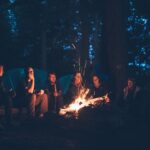
Planning a camping trip with a large group can feel like herding cats, but trust us, the payoff is immense! Imagine roaring laughter around a crackling campfire, shared meals under a canopy of stars, and memories forged that last a lifetime. But
how do you get there without losing your mind (or your friends)? It all boils down to preparation, communication, and delegation!
Here are some quick, actionable tips from our seasoned campers at Camping Checklist™ to get your large
group adventure off the ground:
- Start Early, Like, Really Early! 🗓️ Group campsites, especially popular ones, book up months in advance. Don’t procrastinate!
- Delegate,
Delegate, Delegate! 🤝 One person can’t do it all. Assign roles for food, gear, activities, and even fire management. - Embrace the Spreadsheet! 📊 A shared Google Sheet is your best friend
for tracking gear, meals, dietary needs, and budgets. - Flexibility is Your Superpower! 🧘 ♀️ With many personalities and preferences, things won’t always go to plan. A “go with the flow” attitude saves
the day. - Safety First, Always! ⛑️ Plan for emergencies, know your group’s abilities, and always practice Leave No Trace principles.
- Don
‘t Forget the Fun! 🎉 While logistics are key, remember the goal: creating an unforgettable experience. Plan activities, but also allow for plenty of downtime.
| Aspect | Quick Tip
Why Go Big? The Joys and Challenges of Large Group Camping Adventures
Ah, the great outdoors! The scent of pine, the crackle of a
campfire, the starry nights… it’s all magical, isn’t it? Now, imagine sharing that magic with a dozen (or more!) of your favorite people. That’s large group camping, and let us tell you,
it’s an experience unlike any other. Here at Camping Checklist™, we’ve orchestrated more group trips than we can count, from family reunions under the redwoods to epic friend expeditions in the Rockies. And while solo adventures have their charm
, there’s something truly special about the camaraderie, shared laughter, and collective problem-solving that only a big group can bring. As one expert puts it, “Life is better shared with others” and camping provides an opportunity to connect
around meals, campfires, and shared activities.
But let’s be real, organizing a large group camping trip isn’t always a walk in the park. It can feel like you’re juggling
flaming torches while riding a unicycle – exhilarating, but potentially disastrous if you drop the ball! From coordinating schedules that seem to defy the laws of time and space, to ensuring everyone has the right gear (and enough hot dogs!), the logistics
can be daunting. You might be wondering, “How do I even begin to plan something this epic without pulling all my hair out?” Don’t worry, we’ve got your back. We’re about to dive deep into every aspect of
planning a seamless, fun-filled, and unforgettable group camping adventure, drawing on our own triumphs (and a few hilarious mishaps!).
1. Syncing Calendars & Picking the Perfect Dates for Your Crew
Choosing the right dates for a large group camping trip is often the first, and sometimes trickiest, hurdle. It’s not
just about finding a weekend when most people are free; it’s about finding a sweet spot that maximizes attendance and minimizes headaches. We’ve learned the hard way that “winging it” with dates leads to half-empty campsites and disappointed
friends.
The Golden Rule: Start Early! Seriously, if you think you’re starting too early, you’re probably just on time. We’re talking months in advance, especially for popular destinations or during peak seasons
like summer and holidays. These times are notorious for quickly reserved campgrounds and heavy traffic, which can turn a relaxing getaway into a stressful ordeal.
When you’re trying
to nail down those elusive dates, consider these factors:
- Peak vs. Shoulder Season: While summer offers warm weather, it also brings crowds and higher prices. Shoulder seasons (late spring, early fall) can
be a fantastic alternative. You’ll often find fewer people, milder temperatures, and stunning scenery. Just be sure to check for potential rainy seasons, muddy spring conditions, or areas affected by late snow. We
once planned a “spring” trip that turned into a snowshoeing adventure – fun, but not what everyone packed for! - Weather Wisdom: Always, always, always check the historical weather patterns for your chosen location
. A little rain can add character, but a full-blown storm can dampen spirits (and gear!). Confirm the campground is open if you’re venturing out early or late in the season, as weather can lead to road, trail, and
activity closures. - Holiday Havoc: While holidays offer extended weekends, they are also the busiest times for campgrounds. If you must go on a holiday, be prepared to book even further
in advance and brace for more company. - Group Availability Tools: Forget endless email chains! Tools like Doodle Poll are absolute lifesaesavers for comparing everyone’s availability quickly and efficiently. Simply
propose a few date options, send out the link, and let your crew mark their calendars. It helps ensure everyone feels included in the decision-making process.
Our Pro Tip: Once you have a few
strong contenders, do a quick check on campground availability for those dates before making a final decision. There’s nothing worse than rallying the troops for a date, only to find your dream spot is fully booked!
2. Finding Your Tribe’s Territory: Selecting the Ideal Group Campsite
So, you’ve
wrangled the dates – congratulations! Now comes the exciting part: finding the perfect patch of wilderness (or glamping paradise!) for your large group. This isn’t just about picking a pretty spot; it’s about matching the location
and its amenities to your group’s diverse needs and desires. As Hipcamp wisely states, “The key to choosing the perfect location is matching amenities with your group’s needs.”
Understanding Group Site Amenities &
Regulations
Group campsites are a special breed. They’re designed to accommodate more people, vehicles, and often have larger communal areas. But they also come with their own set of rules and features you need to consider:
- Capacity is
King: First and foremost, check the site’s maximum capacity for both people and tents/RVs. Overcrowding can lead to fines and a less enjoyable experience for everyone. - Facilities & Comfort Levels: Does your group prefer rustic
pit toilets and no running water, or are flush toilets, hot showers, and potable water non-negotiables? Some campgrounds offer more developed facilities, while others are truly primitive. Consider handicap accessibility if needed.
Fire Rings & Picnic Tables: Group sites typically have multiple fire rings and picnic tables, which are essential for communal cooking and gathering. Confirm how many are available.
- Noise & Quiet Hours: Large groups can be lively! Be
aware of any specific noise regulations or quiet hours, especially if you plan on late-night campfires and storytelling. Respecting fellow campers is paramount. - Trash & Recycling: Check if the campground provides trash disposal or if it
‘s a “pack it in, pack it out” situation. - Water Access: Is there a water spigot nearby, or will you need to haul water? This impacts your hydration strategy significantly.
Scouting for Seclusion vs
. Social Hubs
Do you envision a secluded retreat where your group is the only sound for miles, or a bustling campground where you can interact with other campers?
- Seclusion Seekers: Look for campgrounds with dedicated ”
group loops” or private group sites that are set apart from individual sites. Websites like Recreation.gov (for national parks and forests) and Hipcamp are fantastic for this. Hipcamp’s “Property Buyouts” collection
, for instance, allows you to reserve an entire property, which is perfect for reunions, birthdays, loud groups, or those craving ultimate privacy. - Social Butterflies: If your group enjoys a more communal
atmosphere, a larger campground with shared facilities and perhaps even a general store can be a good fit. Just remember to be mindful of your noise levels!
Consider the proximity to activities as well. Do you want to be right on a hiking trail, next
to a lake for swimming, or near a climbing area? Hipcamp’s filters for nearby climbing, fishing, and other activities can be incredibly helpful.
Booking Your Spot: The Early Bird Gets the
Best Campsite
We cannot stress this enough: book your group campsite as early as humanly possible! Popular sites can fill up “months in advance,” depending on the location. For federal campgrounds (National Parks, National Forests), Recreation.gov is your go-to. For private campgrounds, state parks, or unique glamping experiences, Hipcamp offers a fantastic array of options, including a “number of guests
” search filter specifically for large-group sites and their “Great for Groups” collection.
Our Anecdote: One year, we waited just a little too long to book our favorite group site
in the Adirondacks. By the time we got around to it, it was gone! We ended up splitting into two smaller sites, which worked, but definitely wasn’t the cohesive group experience we’d hoped for. Lesson learned: set
a booking reminder on your calendar the moment you finalize your dates!
For more detailed guidance on what to look for in a campsite, check out our Camping Preparation Guide.
3. Delegating Duties: Spreading the Load for a Smooth Trip
Okay
, deep breath. You’ve got your dates, you’ve got your site. Now, how do you prevent the entire planning burden from falling squarely on your shoulders? The secret sauce to a stress-free large group camping trip is **
delegation**. Seriously, it’s a game-changer. As the experts at Hipcamp advise, “Assign responsibilities instead of relying on one organizer.” And Chelsey Explores echoes this, stating,
“Assign specific tasks so planning does not fall one person.”
Think of yourselves as a well-oiled camping machine, not a one-person show. Everyone has unique skills and interests, so tap into those
! Someone’s a master chef? Great, they’re on meal planning. Someone’s a meticulous organizer? Perfect for gear tracking.
The Role Call: Who Does What?
To make delegation clear and effective, we
recommend creating specific “task crews” or assigning individual responsibilities. This ensures everyone contributes and knows exactly what’s expected of them.
Here’s a breakdown of common roles and responsibilities that work wonders for
large groups:
| Role/Crew | Key Responsibilities
Why Go Big?
The Joys and Challenges of Large Group Camping Adventures
Ah, the great outdoors! The scent of pine, the crackle of a campfire, the starry nights… it’s all magical, isn’t it? Now, imagine sharing
that magic with a dozen (or more!) of your favorite people. That’s large group camping, and let us tell you, it’s an experience unlike any other. Here at Camping Checklist™, we’ve orchestrated more group trips
than we can count, from family reunions under the redwoods to epic friend expeditions in the Rockies. And while solo adventures have their charm, there’s something truly special about the camaraderie, shared laughter, and collective problem-solving that only
a big group can bring. As one expert puts it, “Life is better shared with others” and camping provides an opportunity to connect around meals, campfires, and shared activities.
But let’s
be real, organizing a large group camping trip isn’t always a walk in the park. It can feel like you’re juggling flaming torches while riding a unicycle – exhilarating, but potentially disastrous if you drop the ball! From coordinating
schedules that seem to defy the laws of time and space, to ensuring everyone has the right gear (and enough hot dogs!), the logistics can be daunting. You might be wondering, “How do I even begin to plan something this epic without
pulling all my hair out?” Don’t worry, we’ve got your back. We’re about to dive deep into every aspect of planning a seamless, fun-filled, and unforgettable group camping adventure, drawing on our own triumphs
(and a few hilarious mishaps!).
1. Syncing Calendars & Picking the Perfect
Dates for Your Crew
Choosing the right dates for a large group camping trip is often the first, and sometimes trickiest, hurdle. It’s not just about finding a weekend when most people are free; it’s about
finding a sweet spot that maximizes attendance and minimizes headaches. We’ve learned the hard way that “winging it” with dates leads to half-empty campsites and disappointed friends.
The Golden Rule: Start Early! Seriously,
if you think you’re starting too early, you’re probably just on time. We’re talking months in advance, especially for popular destinations or during peak seasons like summer and holidays. These times are notorious
for for quickly reserved campgrounds and heavy traffic, which can turn a relaxing getaway into a stressful ordeal.
When you’re trying to nail down those elusive dates, consider these factors:
- Peak vs. Shoulder
Season: While summer offers warm weather, it also brings crowds and higher prices. Shoulder seasons (late spring, early fall) can be a fantastic alternative. You’ll often find fewer people, milder temperatures, and stunning scenery
. Just be sure to check for potential rainy seasons, muddy spring conditions, or areas affected by late snow. We once planned a “spring” trip that turned into a snowshoeing adventure – fun, but
not what everyone packed for! - Weather Wisdom: Always, always, always check the historical weather patterns for your chosen location. A little rain can add character, but a full-blown storm can dampen spirits (and gear!). Confirm the campground is open if you’re venturing out early or late in the season, as weather can lead to road, trail, and activity closures.
- Holiday Havoc: While
holidays offer extended weekends, they are also the busiest times for campgrounds. If you must go on a holiday, be prepared to book even further in advance and brace for more company. - Group Availability Tools: Forget endless
email chains! Tools like Doodle Poll are absolute lifesavers for comparing everyone’s availability quickly and efficiently. Simply propose a few date options, send out the link, and let your crew mark their
calendars. It helps ensure all participants feel welcome.
Our Pro Tip: Once you have a few strong contenders, do a quick check on campground availability for those dates before making a final decision. There
‘s nothing worse than rallying the troops for a date, only to find your dream spot is fully booked!
2. Finding Your Tribe’s Territory: Selecting the Ideal Group Campsite
So, you’ve wrangled the dates – congratulations! Now comes the exciting part: finding the perfect patch of wilderness (or glamping paradise!) for your large group. This isn’t just about picking a pretty spot; it’s about matching the location and its amenities to your group’s diverse needs and desires. As Hipcamp wisely states, ”
The key to choosing the perfect location is matching amenities with your group’s needs.”
Understanding Group Site Amenities & Regulations
Group campsites are a special breed. They’re designed to accommodate more people,
vehicles, and often have larger communal areas. But they also come with their own set of rules and features you need to consider:
- Capacity is King: First and foremost, check the site’s maximum capacity for both people
and tents/RVs. Overcrowding can lead to fines and a less enjoyable experience for everyone. - Facilities & Comfort Levels: Does your group prefer rustic pit toilets and no running water, or are flush toilets, hot
showers, and potable water non-negotiables? Some campgrounds offer more developed facilities, while others are truly primitive. Consider handicap accessibility if needed. - Fire Rings & Picnic Tables: Group sites typically
have multiple fire rings and picnic tables, which are essential for communal cooking and gathering. Confirm how many are available. - Noise & Quiet Hours: Large groups can be lively! Be aware of any specific noise regulations or quiet hours
, especially if you plan on late-night campfires and storytelling. Respecting fellow campers is paramount. - Trash & Recycling: Check if the campground provides trash disposal or if it’s a “pack it in, pack
it out” situation. - Water Access: Is there a water spigot nearby, or will you need to haul water? This impacts your hydration strategy significantly.
Scouting for Seclusion vs. Social Hubs
Do you
envision a secluded retreat where your group is the only sound for miles, or a bustling campground where you can interact with other campers?
- Seclusion Seekers: Look for campgrounds with dedicated “group loops” or private group sites
that are set apart from individual sites. Websites like Recreation.gov (for national parks and forests) and Hipcamp are fantastic for this. Hipcamp’s “Property Buyouts” collection, for instance, allows
you to reserve an entire property, which is perfect for reunions, birthdays, loud groups, or those craving ultimate privacy. - Social Butterflies: If your group enjoys a more communal atmosphere, a larger
campground with shared facilities and perhaps even a general store can be a good fit. Just remember to be mindful of your noise levels!
Consider the proximity to activities as well. Do you want to be right on a hiking trail, next to a lake for
swimming, or near a climbing area? Hipcamp’s filters for nearby climbing, fishing, and other activities can be incredibly helpful.
Booking Your Spot: The Early Bird Gets the Best Campsite
We cannot stress
this enough: book your group campsite as early as humanly possible! Popular sites can fill up “months in advance,” depending on the location. For federal campgrounds (National Parks, National Forests), **
Recreation.gov** is your go-to. For private campgrounds, state parks, or unique glamping experiences, Hipcamp offers a fantastic array of options, including a “number of guests” search filter specifically for large-
group sites and their “Great for Groups” collection.
Our Anecdote: One year, we waited just a little too long to book our favorite group site in the Adirondacks. By
the time we got around to it, it was gone! We ended up splitting into two smaller sites, which worked, but definitely wasn’t the cohesive group experience we’d hoped for. Lesson learned: set a booking reminder on your
calendar the moment you finalize your dates!
For more detailed guidance on what to look for in a campsite, check out our Camping Preparation Guide.
3. Delegating Duties: Spreading the Load for a Smooth Trip
Okay, deep
breath. You’ve got your dates, you’ve got your site. Now, how do you prevent the entire planning burden from falling squarely on your shoulders? The secret sauce to a stress-free large group camping trip is deleg
ation. Seriously, it’s a game-changer. As the experts at Hipcamp advise, “Assign responsibilities instead of relying on one organizer.” And Chelsey Explores echoes this, stating, ”
Assign specific tasks so planning does not fall one person.”
Think of yourselves as a well-oiled camping machine, not a one-person show. Everyone has unique skills and interests, so tap into those
! Someone’s a master chef? Great, they’re on meal planning. Someone’s a meticulous organizer? Perfect for gear tracking.
The Role Call: Who Does What?
To make delegation clear and effective, we
recommend creating specific “task crews” or assigning individual responsibilities. This ensures everyone contributes and knows exactly what’s expected of them.
Here’s a breakdown of common roles and responsibilities that work wonders
for large groups:
| Role/Crew | Key Responsibilities