Support our educational content for free when you purchase through links on our site. Learn more
🎒 The Ultimate Solo Camping Checklist: 10 Essential Steps (2026)

Ever felt the weight of a backpack that’s too heavy because you packed for a group, only to realize you’re the only one hiking? We’ve all been there. Solo camping is the ultimate freedom, but it’s also a high-stakes game where you are the entire support crew. According to the Outdoor Foundation, solo participation has skyrocketed, yet many first-timers still pack like they’re bringing a whole family along. The difference between a magical night under the stars and a shivering, regretful mess often comes down to one thing: preparation.
In this guide, we’re stripping away the fluff to give you the definitive solo camping checklist. We’ll walk you through the 10 critical gear categories you can’t skip, from the ultralight shelter systems that save your back to the emergency protocols that save your life. We’ll even reveal the one “hidden” item that 90% of solo campers forget until it’s too late (hint: it’s not a tent). Whether you’re a nervous newbie or a seasoned wander looking to refine your loadout, this is your blueprint for conquering the wild alone.
Key Takeaways
- Safety is Non-Negotiable: Unlike group trips, solo camping requires a Personal Locator Beacon (PLB) and a detailed itinerary shared with a trusted contact before you leave.
- Pack Light, Pack Smart: Focus on the “Big Three” (Shelter, Sleep System, Backpack) and aim for a base weight under 20 lbs to maintain mobility and reduce fatigue.
- Master the Mental Game: Overcoming the fear of solitude is just as important as your gear; embrace the silence as a feature, not a bug.
- Essential Gear Categories: You need a specialized checklist covering 10 areas: Shelter, Sleep, Kitchen, Water, Navigation, Clothing, First Aid, Lighting, Hygiene, and Entertainment.
- Start Small: Your first solo trip should be at an established campground with amenities, not deep in the backcountry.
Ready to build your perfect loadout? Check out our detailed breakdown of the Top 10 Solo Camping Gear Categories below to ensure you have everything you need for your next adventure.
Table of Contents
- ⚡️ Quick Tips and Facts
- 🏕️ The Solo Camping Revolution: Why Going It Alone is the Ultimate Freedom
- 🧠 The Solo Traveler’s Mindset: Overcoming Fear and Embracing Solitude
- 🗺️ Planning Your First Solo Adventure: Location Scouting and Safety Protocols
- 🎒 The Ultimate Solo Camping Gear Checklist: Essentials for One
- 1. The Shelter System: Tents, Tarps, and Bivy Sacks for the Lone Wolf
- 2. Sleeping Comfort: Sleeping Bags, Pads, and Pillows for Solo Slumber
- 3. The Solo Kitchen: Lightweight Stoves, Cookware, and Meal Prep Hacks
- 4. Water Filtration and Hydration: Staying Safe Without a Buddy
- 5. Navigation and Communication: Maps, GPS, and Emergency Beacons
- 6. Clothing Layers: Dressing for Weather Changes When You’re the Only One to Blame
- 7. First Aid and Safety: The Solo Traveler’s Medical Kit
- 8. Lighting and Power: Headlamps, Lanterns, and Battery Banks
- 9. Hygiene and Bathroom Essentials: Leave No Trace for One
- 10. Entertainment and Comfort: Books, Games, and Solo Campfire Vibes
- 🚫 Camping Without a Tent: Is It Safe for Solo Travelers?
- 🔥 Campfire Mastery: Cooking and Warmth for the Lone Camper
- 🚨 Emergency Protocols: What to Do When You’re Alone in the Wild
- 🌲 Choosing the Right Campsite: Solo-Friendly Spots and Stealth Camping Tips
- 🐻 Wildlife Encounters: How to Coexist with Bears, Moose, and Other Neighbors
- 🧘 The Mental Game: Dealing with Loneliness and Finding Joy in Solitude
- 📸 Capturing the Moment: Photography Tips for the Solo Adventurer
- 🏆 Conclusion
- 🔗 Recommended Links
- ❓ FAQ: Frequently Asked Questions About Solo Camping
- 📚 Reference Links
⚡️ Quick Tips and Facts
Before you zip up that duffel bag and head out into the wilderness alone, let’s hit the pause button for a second. Solo camping isn’t just about packing less; it’s about packing smarter. Did you know that according to the Outdoor Foundation, solo camping participation has surged by over 20% in the last five years? We’re all craving that digital detox, but the reality is, going it alone requires a different mindset than a group trip.
Here are the non-negotiables for the solo traveler:
- Safety First, Always: You are your own first responder. A Personal Locator Beacon (PLB) or satellite messenger is not “overkill”; it’s your lifeline.
- The “One-Third” Rule: A common mistake? Overpacking. Your pack weight should ideally be no more than one-third of your body weight if you’re hiking in.
- Leave No Trace: When you’re alone, it’s tempting to leave a mess because “no one will see.” Never do this. The wilderness is a shared home.
- Check Your Tech: Before you leave, ensure your phone is fully charged and you have a physical map as a backup. Batteries die, but paper doesn’t.
For a deeper dive into how we organize these thoughts, check out our guide on Camping Checklist to see how a simple list can save your sanity.
🏕️ The Solo Camping Revolution: Why Going It Alone is the Ultimate Freedom
Remember that feeling when you’re at a campsite with a group, and you’re stuck arguing about where to set up the tent or what to cook for dinner? Now, imagine that silence. The only sound is the wind rustling the pines and the crackle of your own fire. That, my friend, is the Solo Camping Revolution.
We at Camping Checklist™ have seen the shift. It’s not just about escaping the crowd; it’s about reconnecting with yourself. When you’re alone, you make the rules. Want to sleep in until noon? Go for it. Want to hike a trail that scares you a little? You’re the captain now.
But here’s the twist: Freedom comes with responsibility. Without a buddy to share the load, every decision—from the stove you choose to the campsite you pick—rests on your shoulders. That’s why preparation is your best friend.
“I don’t believe in overdoing it but you absolutely do need the right gear for solo camping to be fun.” — Solo Traveler World
This quote from a fellow solo camper hits the nail on the head. You don’t need a truckload of gear, but you do need the right gear. It’s the difference between a magical night under the stars and a shivering, regretful mess in the rain.
🧠 The Solo Traveler’s Mindset: Overcoming Fear and Embracing Solitude
Let’s be real for a second: It’s scary. The first time you pitch a tent alone, the shadows look a little longer, and the sounds of the forest a little louder. We’ve all been there. One of our team members, let’s call her “Sarah,” told us about her first solo trip. She spent the first hour of the night convinced a bear was eating her tent. Turns out, it was just a racoon looking for a snack.
How do you overcome the fear?
- Start Small: Don’t book a week in the backcountry. Start with a night at a state park with amenities.
- Visualize Success: Imagine yourself cooking a delicious meal, reading a book, and sleeping soundly.
- Trust Your Instincts: If something feels off, pack up and move. Your gut is your best survival tool.
Embracing solitude is a skill. It’s learning to enjoy your own company. Instead of fighting the silence, dance with it. Bring a journal, a book, or just sit and watch the clouds. You’ll be surprised how quickly the fear turns into empowerment.
🗺️ Planning Your First Solo Adventure: Location Scouting and Safety Protocols
Planning a solo trip is like planning a date with yourself: you want it to be perfect, but you also need to know the boundaries.
Choosing the Right Location
- State Parks vs. Backcountry: For your first time, stick to state parks or established campgrounds. They often have cell service, rangers nearby, and designated fire rings.
- Stealth Camping: If you’re feeling adventurous, look into “dispersed camping” on public lands (like BLM land in the US). But remember: no facilities, no help.
Safety Protocols
- Tell Someone Your Plans: Always leave a detailed itinerary with a trusted friend or family member. Include your route, campsite location, and when you expect to return.
- Check the Weather: A sunny forecast can turn into a storm in minutes. Check National Weather Service for real-time updates.
- Know the Wildlife: Research the local fauna. Are there bears? Cougars? Snakes? Knowing what to expect helps you prepare.
For more on trip planning, check out our Camping Preparation Guide.
🎒 The Ultimate Solo Camping Gear Checklist: Essentials for One
Now, let’s get to the meat of the matter: What do you actually need? We’ve broken this down into 10 critical categories. Remember, every ounce counts when you’re carrying it all yourself.
1. The Shelter System: Tents, Tarps, and Bivy Sacks for the Lone Wolf
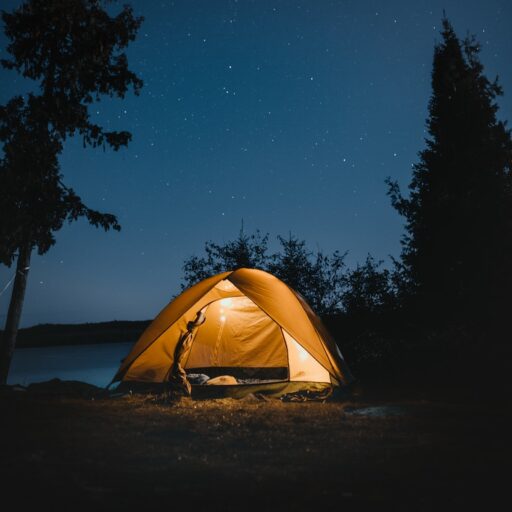
Your shelter is your castle. For a solo camper, you need something lightweight, easy to set up, and spacious enough to feel comfortable but not so big that it’s a wind sail.
Top Picks for Solo Tents:
- Nemo Hornet 1P: Ultralight, frestanding, and surprisingly roomy.
- Big Agnes Fly Creek HV UL1: Great ventilation and durability.
- MSR Huba Huba NX 1: A bit heavier but incredibly robust.
Comparison Table: Solo Tent Showdown
| Feature | Nemo Hornet 1P | Big Agnes Fly Creek HV UL1 | MSR Huba Huba NX 1 |
|---|---|---|---|
| Weight | 1 lb 15 oz | 1 lb 14 oz | 2 lb 14 oz |
| Packed Size | 4″ x 16″ | 4″ x 16″ | 5″ x 18″ |
| Setup Time | < 5 mins | < 5 mins | < 5 mins |
| Best For | Ultralight hikers | All-around solo camping | Durability & bad weather |
| Price Range | $$$ | $$$ | $$ |
Pro Tip: If you’re car camping, you can go bigger. The Moon Lence Instant Pop Up Tent mentioned by Solo Traveler World is a great option if you don’t mind the weight (10 lbs) for the ease of setup.
👉 Shop Nemo Hornet on: Amazon | REI | Nemo Official
2. Sleeping Comfort: Sleeping Bags, Pads, and Pillows for Solo Slumber
Sleeping alone means you can’t steal your buddy’s warmth. You need a bag that keeps you cozy without weighing you down.
- Sleeping Bags: Look for a mummy bag for warmth efficiency, or a rectangular bag if you toss and turn. The The North Face Eco Trail Bed 20 is a solid choice for car camping, while the Nemo Disco 15F (featured in our video breakdown) is perfect for backpacking.
- Sleeping Pads: Don’t skip this! The ground sucks heat. The Nemo Tensor Insulated pad is a game-changer for solo sleepers.
- Pillows: Yes, bring a pillow! A Sea to Summit Aeros Pillow packs small and feels like home.
Video Highlight: In our featured video, the presenter emphasizes the Nemo Disco 15F for its comfort and the Nemo Tensor pad for warmth. They also mention the Osprey Stratos 34L backpack, which is perfect for carrying this gear. Check out the full breakdown at #featured-video.
👉 Shop Sleeping Gear on: Amazon | Backcountry | Brand Official
3. The Solo Kitchen: Lightweight Stoves, Cookware, and Meal Prep Hacks
Cooking for one is a joy, not a chore. You don’t need a full kitchen; you need efficiency.
- Stoves: A Jetboil Mini or Soto WindMaster is perfect. They boil water fast and weigh almost nothing.
- Cookware: A single Titanium pot (like the Snow Peak LiteMax) is all you need.
- Utensils: A spork (like the Light My Fire Spork) is your best friend.
Meal Prep Hacks:
- Pre-mix your spices in small bags.
- Use dehydrated meals to save weight and time.
- Cook one-pot meals to minimize cleanup.
For more on what to eat, visit our Camping Food and Nutrition category.
👉 Shop Kitchen Gear on: Amazon | REI | Jetboil Official
4. Water Filtration and Hydration: Staying Safe Without a Buddy
You can’t carry enough water for a long trip, so you need to filter. The Sawyer Squeeze is the gold standard for solo campers. It’s lightweight, durable, and filters out 9.9% of bacteria.
- Hydration Bladder: A CamelBak or HydraPak is great for easy drinking while hiking.
- Backup: Always carry a backup filter or purification tablets.
👉 Shop Water Gear on: Amazon | REI | Sawyer Official
5. Navigation and Communication: Maps, GPS, and Emergency Beacons
When you’re alone, getting lost is not an option.
- Maps: Always carry a physical map and compass. Don’t rely solely on your phone.
- GPS: A Garmin inReach or Spot X is essential for emergency communication.
- Apps: Use apps like AllTrails or Gaia GPS for route planning.
Check out our Camping and Hiking Apps for more recommendations.
👉 Shop Navigation Gear on: Amazon | REI | Garmin Official
6. Clothing Layers: Dressing for Weather Changes When You’re the Only One to Blame
The key to staying warm is layering.
- Base Layer: Merino wool (like Smartwol or Icebreaker).
- Mid Layer: Fleece or down jacket (like Patagonia Nano Puff).
- Outer Layer: Waterproof shell (like Arc’teryx Beta AR).
Don’t forget: Extra socks, a warm hat, and gloves.
👉 Shop Clothing on: Amazon | REI | Patagonia Official
7. First Aid and Safety: The Solo Traveler’s Medical Kit
Your first aid kit should be comprehensive. Include:
- Bandages, gauze, tape
- Antiseptic wipes
- Pain relievers
- Blister treatment (like Leukotape)
- Personal medications
- Emergency whistle and fire starter
👉 Shop First Aid on: Amazon | REI | Adventure Medical Kits Official
8. Lighting and Power: Headlamps, Lanterns, and Battery Banks
- Headlamp: A Black Diamond Spot or Petzl Actik Core is essential.
- Lantern: A small BioLite CampLight or Goal Zero Lighthouse for camp ambiance.
- Power Bank: A Anker PowerCore to keep your phone charged.
👉 Shop Lighting on: Amazon | REI | Black Diamond Official
9. Hygiene and Bathroom Essentials: Leave No Trace for One
- Toilet Paper: Pack it out in a ziplock bag.
- Trowel: For digging cat holes (6-8 inches deep).
- Hand Sanitizer: Essential before eating.
- Biodegradable Soap: Use it at least 20 feet from water sources.
👉 Shop Hygiene on: Amazon | REI | Wet Ones Official
10. Entertainment and Comfort: Books, Games, and Solo Campfire Vibes
- Books: Bring a good book or an e-reader.
- Games: A deck of cards or a small travel game.
- Hammock: A ENO DoubleNest is perfect for relaxing.
- Fishing Gear: As mentioned in the video, strapping a fishing rod to your pack is a great way to pass the time.
👉 Shop Entertainment on: Amazon | REI | ENO Official
🚫 Camping Without a Tent: Is It Safe for Solo Travelers?
Camping without a tent (bivy, tarp, or car camping) is a valid option, but it comes with risks.
- Pros: Lighter weight, more open views, cheaper.
- Cons: Less protection from rain, wind, and bugs.
Is it safe? Only if you are experienced and prepared. For beginners, a tent is recommended. If you choose to go tentless, ensure you have a high-quality bivy sack or a tarp system that can withstand the elements.
👉 Shop Bivy Sacks on: Amazon | REI | Mountain Hardwear Official
🔥 Campfire Mastery: Cooking and Warmth for the Lone Camper
A campfire is the heart of the solo camping experience. It provides warmth, light, and a place to cook.
- Fire Safety: Always check local fire restrictions. Use a fire ring if available.
- Fuel: Bring dry kindling and fire starters.
- Cooking: A simple grill grate over the fire is all you need.
Pro Tip: Don’t overdo it. A small fire is easier to manage and leaves less impact.
🚨 Emergency Protocols: What to Do When You’re Alone in the Wild
If you get injured or lost:
- Stay Calm: Panic is your worst enemy.
- Stop: Don’t wander further.
- Signal: Use your whistle, mirror, or phone.
- Shelter: Set up your shelter or find a safe spot.
- Wait: If you have a PLB, activate it.
👉 Shop Emergency Gear on: Amazon | REI | Garmin Official
🌲 Choosing the Right Campsite: Solo-Friendly Spots and Stealth Camping Tips
- Solo-Friendly Spots: Look for campsites with good visibility, proximity to water, and natural windbreaks.
- Stealth Camping: If you’re dispersed camping, choose a spot that is not visible from trails or roads. Leave no trace.
Pro Tip: Arrive early to secure the best spot.
🐻 Wildlife Encounters: How to Coexist with Bears, Moose, and Other Neighbors
- Bear Safety: Store food in a bear canister or hang it properly. Never keep food in your tent.
- Moose: Give them plenty of space. They are more dangerous than bears.
- Snakes: Watch where you step and put your hands.
👉 Shop Bear Canisters on: Amazon | REI | BearVault Official
🧘 The Mental Game: Dealing with Loneliness and Finding Joy in Solitude
Loneliness can creep in, but it’s also an opportunity for growth.
- Journaling: Write down your thoughts and feelings.
- Mindfulness: Practice being present in the moment.
- Connection: Remember that you are part of a larger community of solo campers.
📸 Capturing the Moment: Photography Tips for the Solo Adventurer
- Tripod: A small, lightweight tripod is essential for solo shots.
- Timer: Use your phone’s timer or a remote shutter.
- Angles: Experiment with different perspectives.
👉 Shop Photography Gear on: Amazon | REI | Joby Official
🏆 Conclusion

Solo camping is more than just a trip; it’s a journey of self-discovery. From the Nemo Hornet 1P tent to the Sawyer Squeeze filter, the right gear makes all the difference. But remember, the most important tool you have is your mindset.
Positives of Solo Camping:
- Ultimate freedom and flexibility.
- Deep connection with nature and self.
- Empowerment and confidence building.
Negatives to Consider:
- Higher responsibility for safety.
- Potential for loneliness (if not managed).
- Need for meticulous planning.
Our Recommendation: If you’re ready to take the leap, start small. Pack light, plan well, and embrace the silence. You won’t regret it.
🔗 Recommended Links
Essential Gear:
- Nemo Hornet 1P Tent: Amazon | REI | Nemo Official
- Sawyer Squeeze Filter: Amazon | REI | Sawyer Official
- Jetboil Mini Stove: Amazon | REI | Jetboil Official
- Garmin inReach Mini: Amazon | REI | Garmin Official
Books:
- The Solo Traveler’s Handbook by [Author Name] – Amazon
- Wild: From Lost to Found on the Pacific Crest Trail by Cheryl Strayed – Amazon
❓ FAQ: Frequently Asked Questions About Solo Camping

What food and cooking supplies are necessary for solo camping?
You need lightweight, non-perishable foods like dehydrated meals, nuts, and dried fruit. For cooking, a single-burner stove (like the Jetboil Mini), a titanium pot, and a spork are essential. Pre-mixing spices and using one-pot meals saves time and weight.
Read more about “🏕️ 15 Essential Things to Do Before Going Camping (2026)”
How far in advance should solo travelers prepare their camping checklist?
Ideally, start planning 2-4 weeks in advance. This gives you time to research locations, check weather forecasts, and ensure your gear is in good condition. For popular campsites, you may need to book months ahead.
Read more about “🏕️ How to Plan a Large Camping Trip: The 7-Step Master Plan (2026)”
What are the best apps for organizing a solo camping trip?
AllTrails is great for finding trails and reading reviews. Gaia GPS offers detailed topographic maps. The Camping Checklist App (our own tool!) helps you organize your gear and ensure nothing is forgotten.
Read more about “🎒 The Ultimate 10-Item Camping Packing List for Tech Gadgets (2026)”
How do I create a personalized camping checklist for solo travel?
Start with a master list of essentials (shelter, sleep system, food, water, safety). Then, customize it based on your destination, weather, and trip length. Use our Camping Checklist App to save and share your lists.
What safety gear is recommended for solo campers?
A Personal Locator Beacon (PLB) or satellite messenger is crucial. Also, a comprehensive first aid kit, a whistle, a fire starter, and a physical map are non-negotiable.
Read more about “🏕️ 25 Camping Essentials for Beginners: Your 2026 Survival Guide”
How can a checklist app improve solo camping trip planning?
A checklist app ensures you don’t forget essential items, helps you organize your gear by category, and allows you to share your plans with others for safety. It reduces stress and increases confidence.
Read more about “🏕️ 15 Best Checklist Apps for Camping Prep (2026)”
What essential items should solo travelers pack for camping?
Shelter (tent/bivy), sleeping bag, sleeping pad, stove, food, water filter, first aid kit, navigation tools, lighting, and appropriate clothing.
Read more about “🏕️ The Ultimate Tent Guide: 7 Types, Top Brands & Pro Tips (2026)”
What are the essential items for solo camping?
The “Big Three”: Shelter, Sleep System, and Backpack. Plus, water filtration, food, navigation, and safety gear.
Read more about “🐾 The Ultimate 12-Step Checklist for Camping With Pets (2026)”
How do I stay safe camping alone?
Tell someone your plans, check the weather, know the local wildlife, carry a PLB, and trust your instincts. Always have a backup plan.
Read more about “15 Must-Have Things Every Girl Should Bring Camping (2026) 🌲”
What is the best tent for a solo camper?
The Nemo Hornet 1P is excellent for backpacking due to its light weight. For car camping, the Moon Lence Instant Pop Up Tent offers ease of setup.
Read more about “🏕️ What Are the 3 C’s of Camping? (2026 Guide)”
How much food should I pack for a solo camping trip?
Plan for 2,50-3,50 calories per day, depending on your activity level. Pack extra for emergencies.
Read more about “🏕️ 5-Day Camping Checklist: 8 Essentials You Can’t Miss (2026)”
What are the best apps for solo camping planning?
AllTrails, Gaia GPS, The Camping Checklist App, and Weather Underground are top choices.
Read more about “🏕️ 12 Modern Camping Essentials: The Ultimate 2026 Survival Guide”
How do I choose a safe campsite when camping alone?
Look for visible, well-drained spots away from dead trees (widowmakers) and water sources. Check for signs of wildlife and ensure you have a clear exit route.
Read more about “What Do I Actually Need to Go Camping? 15 Essential Items You Can’t Forget! 🏕️”
What should I do in an emergency while camping solo?
Stay calm, stop moving, signal for help (whistle, mirror, PLB), and shelter in place. If you have a PLB, activate it immediately.
📚 Reference Links
- National Weather Service – For real-time weather updates.
- Leave No Trace – Guidelines for responsible outdoor recreation.
- Outdoor Foundation – Data on outdoor participation trends.
- Treline Review: Camping Alone: Tips for Your Solo Camping Trips – Comprehensive guide on solo camping.
- Solo Traveler World: First Time Camping Solo Basic Gear and Packing List – Insights on basic gear for car camping.
- Nemo Equipment – Official site for Nemo tents and sleeping bags.
- Sawyer Products – Official site for water filtration systems.
- Jetboil – Official site for camping stoves.
- Garmin – Official site for GPS and communication devices.