Support our educational content for free when you purchase through links on our site. Learn more
Which of These 12 Items Are True 10 Essentials? 🏕️ (2025)

Ever found yourself staring at your camping gear, wondering, “Wait, which of these items is actually one of the 10 essentials?” You’re not alone! The classic 10 Essentials list has been a lifesaver for outdoor adventurers since the 1930s, but did you know that savvy campers today often carry an expanded set of 12 must-haves? Whether you’re a weekend warrior or a backcountry pro, knowing exactly what to pack can mean the difference between a smooth adventure and a survival story.
In this article, we unravel the mystery behind the 10 Essentials, explore why each item is critical, and introduce you to the Camping Checklist™ Dozen — our expert-approved list that goes beyond the basics. Plus, we’ll share insider tips on how to use these essentials effectively, so you’re not just carrying gear, but wielding your wilderness toolkit like a pro. Ready to discover which item on your list truly belongs in the elite 10? Let’s dive in!
Key Takeaways
- The 10 Essentials are a functional toolkit, including navigation, sun protection, insulation, illumination, first aid, fire, repair tools, nutrition, hydration, and emergency shelter.
- Camping Checklist™ expands this to 12 essentials, adding communication/signaling gear and personal hygiene items for modern outdoor safety.
- Mastering your gear is as important as packing it — practice navigation, fire-starting, and first aid skills before hitting the trail.
- Customization is key: tailor your essentials based on trip length, location, and weather conditions.
- 👉 Shop smart: reliable brands like Suunto, Black Diamond, Garmin, and Adventure Medical Kits offer trusted gear for each essential.
Ready to gear up with confidence? Check out our recommended products for navigation, illumination, and first aid in the Camping Gear Reviews and Camping Essentials categories!
Table of Contents
- ⚡️ Quick Tips and Facts
- The Backstory: Unpacking the Origins of the 10 Essentials
- Why the “10 Essentials” Are Your Wilderness BFFs 🎒
- The Camping Checklist™ Dozen: Our Expanded List of Wilderness Must-Haves
- Navigational Know-How: Your Pathfinders to Adventure 🗺️
- Light Up Your Life: Illumination for Every Trail 🔦
- Shielding from the Elements: Sun & Weather Warriors ☀️🌧️
- First Aid & Beyond: Your Personal Wilderness Medic 🩹
- The Ultimate Fix-It Kit: Repair & Multi-Tool Mastery 🛠️
- Ignite the Wild: Fire Starting for Warmth & Safety 🔥
- Instant Sanctuary: Emergency Shelter Solutions ⛺
- Fueling Your Journey: Extra Nutrition for the Long Haul 🍎
- Hydration Heroes: Water Purification & Storage 💧
- Layer Up, Buttercup: Insulation & Weather-Appropriate Clothing 🧥
- Stay Connected (or Get Rescued!): Communication & Signaling Gear 📡
- Trailside TLC: Personal Hygiene & Sanitation Essentials 🧼
- Beyond the Basics: Customizing Your Essentials for Specific Adventures ⛰️
- Packing It Right: Smart Strategies for Your Essential Gear 🎒
- The “What Ifs”: Preparing for Unexpected Wilderness Scenarios 🚨
- Conclusion: Your Preparedness, Your Adventure! ✅
- Recommended Links 🔗
- FAQ 🤔
- Reference Links 📚
⚡️ Quick Tips and Facts
The 10 Essentials are a set of fundamental items that every hiker and camper should carry on every trip, regardless of length or difficulty. 🥾 These essentials are designed to help you stay safe, respond to emergencies, and survive if you get lost or injured in the wilderness.
Think of the 10 Essentials as your personal wilderness survival kit. They’re not just for emergencies; they can also make your trip more comfortable and enjoyable.
Here’s a quick rundown of the 10 Essentials:
- Navigation: Map, compass, and GPS
- Sun Protection: Sunglasses, sunscreen, and hat
- Insulation: Extra clothing
- Illumination: Headlamp/flashlight
- First-Aid Supplies: First Aid Kit
- Fire: Matches, lighter, and fire starters
- Repair Kit and Tools: Duct tape, knife, screwdriver, and scissors
- Nutrition: Extra food
- Hydration: Water and water treatment supplies
- Emergency Shelter: Tent, space blanket, tarp, and bivy
But wait, there’s more! We at Camping Checklist™ believe in going the extra mile, so we’ve expanded the 10 Essentials to a Camping Checklist™ Dozen to cover all your bases.
Ready to dive deeper? Let’s explore the history of the 10 Essentials and why they’re so important.
The Backstory: Unpacking the Origins of the 10 Essentials
The 10 Essentials concept originated in the 1930s with The Mountaineers, a Seattle-based outdoor organization. They recognized the importance of carrying certain items on every trip to ensure safety and preparedness.
The original list was more focused on individual items, but over time, it evolved into a system of functional categories. This shift reflected a deeper understanding of how these items work together to address various wilderness challenges.
The 10 Essentials have been a cornerstone of outdoor safety for decades, and they continue to be relevant today. As technology advances and outdoor activities become more diverse, the 10 Essentials have been adapted to reflect these changes.
But what makes these essentials so crucial? Let’s explore the reasons behind their importance.
Why the “10 Essentials” Are Your Wilderness BFFs 🎒
The 10 Essentials are your lifeline in the wilderness. They provide a safety net, ensuring you’re prepared for unexpected situations and can handle them effectively.
Here’s why the 10 Essentials are so important:
- They help you navigate safely. Getting lost is a real risk in the wilderness, and having a map, compass, and GPS can help you stay on track.
- They protect you from the elements. The weather can change quickly in the mountains, and having appropriate clothing and sun protection can keep you comfortable and safe.
- They allow you to treat injuries and illnesses. A well-stocked first-aid kit can help you address minor injuries and illnesses, and even save your life in a serious emergency.
- They provide warmth and shelter. If you get caught in a storm or have to spend the night outdoors, having a fire starter, extra clothing, and emergency shelter can keep you warm and safe.
- They help you communicate with others. A whistle or a cell phone can help you signal for help if you need it.
The 10 Essentials are not just a list of items; they’re a mindset. They represent a commitment to preparedness and safety, ensuring you’re ready for anything the wilderness throws your way.
Ready to learn more about each essential? Let’s dive into our expanded list of wilderness must-haves.
The Camping Checklist™ Dozen: Our Expanded List of Wilderness Must-Haves
We at Camping Checklist™ believe in going above and beyond when it comes to wilderness preparedness. That’s why we’ve expanded the 10 Essentials to a Camping Checklist™ Dozen, adding two more crucial categories to ensure you’re fully equipped for any adventure.
Here’s our expanded list:
- Navigational Know-How: Your Pathfinders to Adventure 🗺️
- Light Up Your Life: Illumination for Every Trail 🔦
- Shielding from the Elements: Sun & Weather Warriors ☀️🌧️
- First Aid & Beyond: Your Personal Wilderness Medic 🩹
- The Ultimate Fix-It Kit: Repair & Multi-Tool Mastery 🛠️
- Ignite the Wild: Fire Starting for Warmth & Safety 🔥
- Instant Sanctuary: Emergency Shelter Solutions ⛺
- Fueling Your Journey: Extra Nutrition for the Long Haul 🍎
- Hydration Heroes: Water Purification & Storage 💧
- Layer Up, Buttercup: Insulation & Weather-Appropriate Clothing 🧥
- Stay Connected (or Get Rescued!): Communication & Signaling Gear 📡
- Trailside TLC: Personal Hygiene & Sanitation Essentials 🧼
Let’s explore each category in detail.
1. Navigational Know-How: Your Pathfinders to Adventure 🗺️
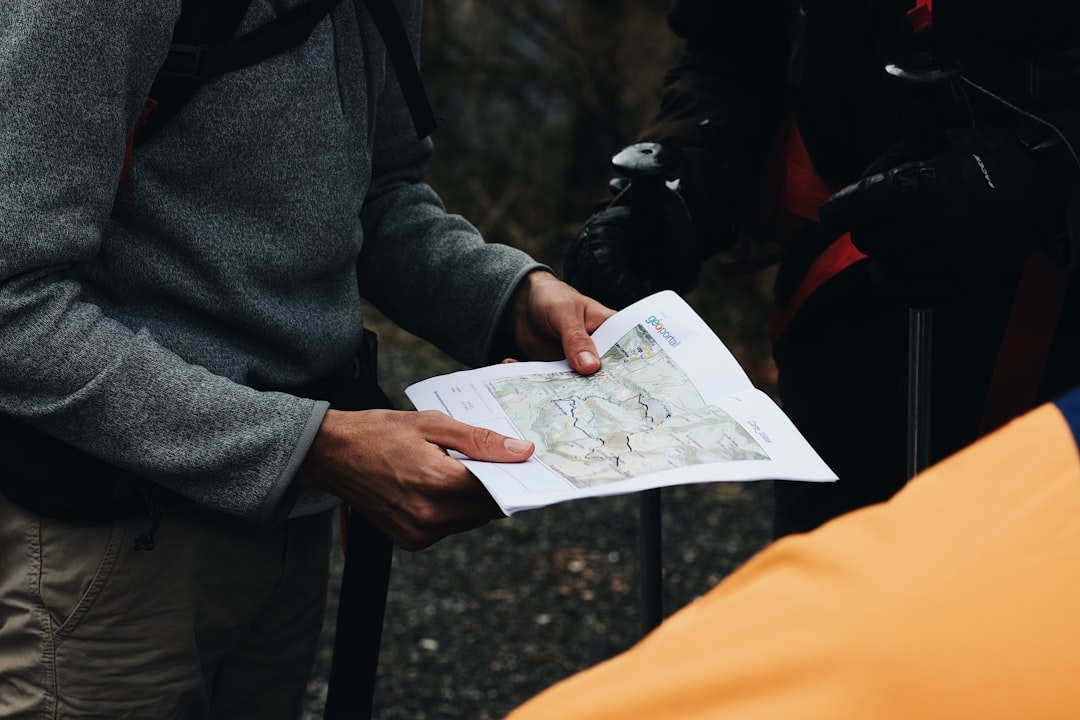
Navigation is crucial for staying safe and finding your way back to camp. Even experienced hikers can get lost, especially in unfamiliar terrain.
Here’s what you need:
- Map: A topographic map is essential for navigating trails and understanding the terrain.
- Compass: A compass is essential for determining your direction and staying on course.
- GPS: A GPS device can be a valuable supplement to a map and compass, but it’s important to remember that GPS devices can malfunction or lose signal.
Tips for using a map and compass:
- Learn how to use them before you go. There are many resources available online and in libraries that can teach you the basics of map and compass navigation.
- Practice using them in familiar areas. This will help you build confidence and become more proficient in using them.
- Always carry a map and compass, even if you have a GPS device.
- Know how to read a topographic map. Topographic maps show elevation changes, which can be helpful for planning your route and avoiding dangerous areas.
Recommended Products:
- Map: National Geographic Trails Illustrated Maps | USGS Topographic Maps
- Compass: Suunto MC-2G Navigator Compass | Silva Expedition 515 Compass
- GPS: Garmin eTrex 30x | Magellan eXplorist 310
Remember: Navigation is a skill that takes practice. Don’t rely solely on a GPS device; learn how to use a map and compass as well.
Ready to learn how to illuminate your path? Let’s move on to the next essential.
2. Light Up Your Life: Illumination for Every Trail 🔦
Darkness can be a real challenge in the wilderness, especially if you’re hiking or camping after sunset. Having a reliable light source is essential for safety and navigation.
Here’s what you need:
- Headlamp: A headlamp is the most versatile light source for hiking and camping. It leaves your hands free for other tasks, and it’s easy to adjust the beam angle.
- Flashlight: A flashlight is a good backup light source, and it can be helpful for tasks that require a more focused beam.
- Extra Batteries: Always pack extra batteries for your headlamp and flashlight.
Tips for choosing a headlamp and flashlight:
- Look for a headlamp with a bright, adjustable beam. You’ll want a headlamp that can illuminate your path and provide enough light for reading or other tasks.
- Choose a headlamp with a comfortable fit. You’ll be wearing it for hours, so it needs to be comfortable.
- Consider a headlamp with a red light mode. Red light is less disruptive to night vision than white light.
- Choose a flashlight with a durable construction. You’ll be using it in the wilderness, so it needs to be able to withstand the elements.
Recommended Products:
- Headlamp: Black Diamond Spot 350 Headlamp | Petzl Tikka Headlamp
- Flashlight: Streamlight MicroStream USB Rechargeable Flashlight | Fenix TK15 Tactical Flashlight
Remember: Always test your headlamp and flashlight before you go on a trip to make sure they’re working properly.
Ready to learn how to shield yourself from the elements? Let’s move on to the next essential.
3. Shielding from the Elements: Sun & Weather Warriors ☀️🌧️
The wilderness can be a harsh environment, with intense sun, rain, wind, and even snow. Being prepared for these elements is crucial for staying comfortable and safe.
Here’s what you need:
- Sunglasses: Sunglasses protect your eyes from harmful UV rays and glare, which can cause eye strain and headaches.
- Sunscreen: Sunscreen protects your skin from sunburn, which can be painful and dangerous.
- Hat: A hat provides additional sun protection for your head and face.
- Rain Gear: A waterproof jacket and pants can keep you dry in the rain, and they can also provide some protection from wind and cold.
Tips for choosing sun protection and rain gear:
- Choose sunglasses with UV protection. Look for sunglasses that block 99-100% of UVA and UVB rays.
- Use sunscreen with an SPF of 30 or higher. Apply sunscreen liberally and reapply every two hours, especially after swimming or sweating.
- Choose a hat that provides good coverage for your head and face. A wide-brimmed hat is ideal.
- Choose rain gear that is waterproof and breathable. Waterproof gear will keep you dry, but breathable gear will help prevent you from overheating.
Recommended Products:
- Sunglasses: Oakley Frogskins Sunglasses | Ray-Ban Aviator Sunglasses
- Sunscreen: Neutrogena Ultra Sheer Dry-Touch Sunscreen SPF 55 | Coppertone Sport Sunscreen SPF 50
- Hat: Tilley Endurables Airflo Hat | Columbia PFG Mesh Back Ball Cap
- Rain Gear: Marmot Precip Rain Jacket | Columbia OutDry Ex Gold Rain Jacket
Remember: The weather can change quickly in the wilderness, so be prepared for anything.
Ready to learn how to treat injuries and illnesses? Let’s move on to the next essential.
4. First Aid & Beyond: Your Personal Wilderness Medic 🩹
Accidents and illnesses can happen anywhere, but they’re especially dangerous in the wilderness. A well-stocked first-aid kit is essential for treating minor injuries and illnesses, and it can even save your life in a serious emergency.
Here’s what you need:
- First-Aid Kit: A basic first-aid kit should include bandages, antiseptic wipes, pain relievers, and other essential supplies.
- Emergency Blanket: An emergency blanket can help keep you warm in case of hypothermia.
- Whistle: A whistle can be used to signal for help in an emergency.
Tips for choosing a first-aid kit:
- Choose a kit that is appropriate for the type of activity you’re doing. A basic kit is sufficient for day hikes, but you’ll need a more comprehensive kit for backpacking or other extended trips.
- Make sure the kit includes all the essential supplies. This includes bandages, antiseptic wipes, pain relievers, anti-diarrheal medication, and other necessary items.
- Check the expiration dates on all items. Replace expired items as needed.
- Learn how to use the items in your first-aid kit. Take a first-aid course or read a first-aid manual.
Recommended Products:
- First-Aid Kit: Adventure Medical Kits Mountain Series Explorer Medical Kit | REI Co-op Adventure Medical Kits
- Emergency Blanket: Space Emergency Blanket | SOL Emergency Bivvy
- Whistle: Fox 40 Classic Whistle | Peal Whistle
Remember: A first-aid kit is only as good as the person who knows how to use it. Take a first-aid course and learn how to treat common injuries and illnesses.
Ready to learn how to fix anything in the wilderness? Let’s move on to the next essential.
5. The Ultimate Fix-It Kit: Repair & Multi-Tool Mastery 🛠️
Things can break in the wilderness, and having the right tools can make all the difference. A repair kit and multi-tool can help you fix minor problems with your gear, and they can also be useful for other tasks.
Here’s what you need:
- Multi-Tool: A multi-tool is a compact tool that includes a knife, pliers, screwdriver, and other useful tools.
- Duct Tape: Duct tape is a versatile material that can be used to repair tears in clothing, tents, and other gear.
- Repair Kit: A repair kit should include basic tools and supplies for fixing common problems with your gear.
Tips for choosing a multi-tool and repair kit:
- Choose a multi-tool with a durable construction. You’ll be using it in the wilderness, so it needs to be able to withstand the elements.
- Choose a multi-tool with a variety of tools. You’ll want a multi-tool that can handle a variety of tasks.
- Choose a repair kit that is appropriate for the type of activity you’re doing. A basic kit is sufficient for day hikes, but you’ll need a more comprehensive kit for backpacking or other extended trips.
- Make sure the repair kit includes all the essential supplies. This includes duct tape, cordage, sewing needles, and other necessary items.
Recommended Products:
- Multi-Tool: Leatherman Wave+ Multi-Tool | Victorinox Swiss Army Classic Knife
- Duct Tape: Gorilla Duct Tape | Duck Brand Duct Tape
- Repair Kit: Sea to Summit Repair Kit | REI Co-op Repair Kit
Remember: A repair kit and multi-tool can help you fix minor problems with your gear, but they can’t fix everything. If you have a serious problem with your gear, it’s best to turn around and return to camp.
Ready to learn how to ignite the wild? Let’s move on to the next essential.
6. Ignite the Wild: Fire Starting for Warmth & Safety 🔥
Fire can be a valuable tool in the wilderness, providing warmth, light, and a way to cook food. But it’s important to start a fire safely and responsibly.
Here’s what you need:
- Fire Starter: A fire starter is a device that makes it easy to start a fire, even in wet conditions.
- Waterproof Matches: Waterproof matches are essential for starting a fire in wet conditions.
- Lighter: A lighter is a good backup fire starter.
Tips for choosing a fire starter:
- Choose a fire starter that is easy to use. There are many different types of fire starters available, so choose one that you’re comfortable using.
- Choose a fire starter that is reliable. You don’t want to be fumbling around trying to start a fire when you’re cold and wet.
- Choose a fire starter that is waterproof. This is especially important if you’re hiking or camping in wet conditions.
Recommended Products:
- Fire Starter: UCO Stormproof Match Kit | Firestarter
- Waterproof Matches: UCO Stormproof Matches | Swedish FireSteel
- Lighter: Zippo Lighter | Bic Lighter
Remember: Always check for fire restrictions before starting a fire. And never leave a fire unattended.
Ready to learn how to build an instant sanctuary? Let’s move on to the next essential.
7. Instant Sanctuary: Emergency Shelter Solutions ⛺
Getting caught in a storm or having to spend the night outdoors can be a dangerous situation. An emergency shelter can provide protection from the elements and help you stay warm and safe.
Here’s what you need:
- Emergency Blanket: An emergency blanket is a lightweight, reflective blanket that can help keep you warm in case of hypothermia.
- Tarp: A tarp can be used to create a makeshift shelter from rain or wind.
- Bivy: A bivy is a lightweight, waterproof shelter that can be used for emergency overnight stays.
Tips for choosing an emergency shelter:
- Choose an emergency blanket that is lightweight and compact. You’ll want to be able to carry it easily in your pack.
- Choose a tarp that is waterproof and durable. You’ll be using it in the wilderness, so it needs to be able to withstand the elements.
- Choose a bivy that is waterproof and breathable. Waterproof gear will keep you dry, but breathable gear will help prevent you from overheating.
Recommended Products:
- Emergency Blanket: Space Emergency Blanket | SOL Emergency Bivvy
- Tarp: Sea to Summit Ultra-Sil Nano Tarp | REI Co-op Trail 11 Tarp
- Bivy: Sea to Summit Ultra-Sil Nano Bivy | REI Co-op Bivy
Remember: An emergency shelter is only a temporary solution. If you’re caught in a storm or have to spend the night outdoors, it’s important to try to get to a safe place as soon as possible.
Ready to learn how to fuel your journey? Let’s move on to the next essential.
8. Fueling Your Journey: Extra Nutrition for the Long Haul 🍎
Hiking and camping can be physically demanding activities, and it’s important to stay fueled up with extra nutrition.
Here’s what you need:
- Extra Food: Pack an extra day’s supply of food, preferably no-cook items that have good nutritional value.
- Snacks: Pack salty and easy to digest snacks like trail mix, nuts, and granola bars.
Tips for choosing extra food and snacks:
- Choose foods that are high in calories and nutrients. You’ll need to replenish your energy stores, so choose foods that are packed with calories and essential nutrients.
- Choose foods that are lightweight and compact. You don’t want to be carrying a heavy pack.
- Choose foods that are easy to eat and digest. You don’t want to be struggling to eat your food when you’re tired and hungry.
- Choose foods that are non-perishable. You don’t want your food to spoil in your pack.
Recommended Products:
- Extra Food: Mountain House Meals | Backpacker’s Pantry Meals
- Snacks: Trail Mix | Energy Bars
Remember: It’s important to stay hydrated while hiking and camping. Pack plenty of water and drink it regularly.
Ready to learn how to stay hydrated? Let’s move on to the next essential.
9. Hydration Heroes: Water Purification & Storage 💧
Staying hydrated is crucial for your health and well-being in the wilderness. You need to drink plenty of water, especially in hot weather or during strenuous activity.
Here’s what you need:
- Water Bottles: Pack enough water bottles to carry at least two liters of water for a day hike.
- Water Filter: A water filter can remove harmful bacteria and parasites from water sources, making it safe to drink.
- Water Purification Tablets: Water purification tablets can also be used to make water safe to drink.
Tips for choosing water bottles, filters, and purification tablets:
- Choose water bottles that are leak-proof and durable. You’ll be using them in the wilderness, so they need to be able to withstand the elements.
- Choose a water filter that is easy to use and effective. There are many different types of water filters available, so choose one that you’re comfortable using.
- Choose water purification tablets that are effective and easy to use. Make sure the tablets are compatible with the water sources you’ll be using.
Recommended Products:
- Water Bottles: Hydro Flask Water Bottle | Nalgene Water Bottle
- Water Filter: Sawyer Squeeze Water Filter System | Platypus Gravity Works Water Filter System
- Water Purification Tablets: Potable Aqua Water Purification Tablets | Aquamira Water Purification Tablets
Remember: Always boil water for at least one minute before drinking it if you’re not using a water filter or purification tablets.
Ready to learn how to stay warm in the wilderness? Let’s move on to the next essential.
10. Layer Up, Buttercup: Insulation & Weather-Appropriate Clothing 🧥
The wilderness can be a cold place, even in the summer. Having appropriate clothing is essential for staying warm and comfortable.
Here’s what you need:
- Base Layer: A base layer is a thin layer of clothing that wicks moisture away from your skin, keeping you dry and comfortable.
- Insulating Layer: An insulating layer provides warmth and can be added or removed as needed.
- Outer Layer: An outer layer protects you from wind, rain, and snow.
Tips for choosing clothing:
- Choose clothing that is breathable and moisture-wicking. This will help keep you dry and comfortable.
- Choose clothing that is lightweight and packable. You don’t want to be carrying a heavy pack.
- Choose clothing that is durable and weather-resistant. You’ll be using it in the wilderness, so it needs to be able to withstand the elements.
- Dress in layers. This will allow you to adjust your clothing as needed to stay comfortable.
Recommended Products:
- Base Layer: Smartwool Merino 250 Base Layer | Icebreaker Merino Base Layer
- Insulating Layer: Patagonia Nano Puff Jacket | Arc’teryx Atom LT Hoody
- Outer Layer: Marmot Precip Rain Jacket | Columbia OutDry Ex Gold Rain Jacket
Remember: The weather can change quickly in the wilderness, so be prepared for anything.
Ready to learn how to stay connected in the wilderness? Let’s move on to the next essential.
11. Stay Connected (or Get Rescued!): Communication & Signaling Gear 📡
In an emergency, being able to communicate with others is crucial. Having a reliable communication device and signaling gear can help you get help if you need it.
Here’s what you need:
- Cell Phone: A cell phone can be used to call for help in an emergency.
- Satellite Messenger: A satellite messenger can send and receive messages even when there’s no cell service.
- Personal Locator Beacon (PLB): A PLB is a device that sends a distress signal to a satellite, which can then alert search and rescue teams.
- Whistle: A whistle can be used to signal for help in an emergency.
Tips for choosing communication and signaling gear:
- Make sure your cell phone is fully charged before you go. And pack a portable charger if you’re going on a long trip.
- Choose a satellite messenger that is reliable and easy to use. There are many different types of satellite messengers available, so choose one that you’re comfortable using.
- Choose a PLB that is certified by the FCC. This ensures that the device meets the necessary safety standards.
- Learn how to use your communication and signaling gear before you go. Practice using it in familiar areas so you’re comfortable using it in an emergency.
Recommended Products:
- Cell Phone: Apple iPhone | Samsung Galaxy
- Satellite Messenger: Garmin inReach Mini 2 | SPOT Gen4
- Personal Locator Beacon (PLB): ACR Electronics ResQLink 400 Personal Locator Beacon | McMurdo Fast Find 220 Personal Locator Beacon
- Whistle: Fox 40 Classic Whistle | Peal Whistle
Remember: Always let someone know where you’re going and when you expect to be back. And check in with them when you return.
Ready to learn how to keep yourself clean in the wilderness? Let’s move on to the next essential.
12. Trailside TLC: Personal Hygiene & Sanitation Essentials 🧼
Staying clean and healthy in the wilderness is important for your well-being and comfort.
Here’s what you need:
- Hand Sanitizer: Hand sanitizer is essential for keeping your hands clean, especially when you’re unable to wash them with soap and water.
- Toiletries: Pack basic toiletries like soap, shampoo, and toothpaste.
- Toilet Paper: Toilet paper is essential for personal hygiene.
- Biodegradable Soap: Biodegradable soap is essential for washing dishes and clothes in the wilderness.
Tips for choosing personal hygiene and sanitation essentials:
- Choose hand sanitizer with at least 60% alcohol. This will help kill germs and bacteria.
- Choose toiletries that are travel-sized and lightweight. You don’t want to be carrying a heavy pack.
- Choose biodegradable soap that is safe for the environment. This will help protect the wilderness.
Recommended Products:
- Hand Sanitizer: Purell Hand Sanitizer | Germ-X Hand Sanitizer
- Toiletries: [Travel-Sized Toiletries](https://www.amazon.com/Travel-Sized-Toiletries/s?k=Travel-Sized+
Conclusion: Your Preparedness, Your Adventure! ✅
Well, there you have it — the ultimate guide to the 10 Essentials and beyond, brought to you by your trusty team at Camping Checklist™. Whether you’re a weekend warrior or a seasoned backcountry explorer, these essentials are your best friends in the wild. They’re not just items in your pack; they’re your ticket to safety, comfort, and confidence on every trail.
From navigational tools that keep you on course, to fire starters that warm your nights, and emergency shelters that shield you from the elements — each piece plays a vital role. Our expanded Camping Checklist™ Dozen adds communication gear and personal hygiene essentials, because we believe preparedness is about covering all the bases.
Remember, the 10 Essentials are more than a checklist — they’re a mindset. Practice using your gear, customize your pack for your adventure, and always respect the wilderness. As we teased earlier, mastering navigation and illumination skills can turn a potential mishap into a memorable adventure story — so don’t just pack the gear, know how to use it!
So, pack smart, stay safe, and embrace the wild with confidence. Your next adventure awaits!
Recommended Links 🔗
👉 Shop Navigation Gear:
👉 Shop Illumination Tools:
👉 Shop Sun Protection & Clothing:
👉 Shop First Aid & Repair Kits:
👉 Shop Fire Starters & Emergency Shelter:
👉 Shop Nutrition & Hydration:
👉 Shop Communication & Signaling Gear:
Recommended Books:
- Mountaineering: The Freedom of the Hills, 8th Edition on Amazon — The classic guide behind the 10 Essentials concept.
FAQ 🤔
What are the 10 essentials for camping and how do I pack them?
The 10 Essentials are a set of critical items designed to keep you safe and prepared in the wilderness. They include navigation tools, sun protection, insulation, illumination, first-aid supplies, fire-starting gear, repair tools, extra nutrition, hydration, and emergency shelter.
Packing Tips:
- Organize items by category for easy access.
- Use waterproof bags or dry sacks to protect gear.
- Distribute weight evenly to maintain balance.
- Prioritize lightweight and compact gear.
- Practice packing and unpacking to streamline your process.
For a detailed breakdown, check out our Camping Essentials category.
Read more about “Ultimate Camping Food List: 25 Must-Have Foods for 2025 🍳🏕️”
How do I create a camping checklist to ensure I have all the necessary items?
Creating a camping checklist starts with understanding your trip’s specifics: location, weather, duration, and activities planned. Begin with the 10 Essentials as your foundation, then add specialized gear like fishing equipment or climbing tools if needed.
Steps to create your checklist:
- Research your destination and expected conditions.
- List the 10 Essentials plus any additional gear.
- Categorize items by function (clothing, food, safety, etc.).
- Use a checklist app like Camping Checklist™ to customize and track your gear.
- Review and update your list before every trip.
Read more about “How to Create a Personalized Camping Checklist: 12 Essential Items 🏕️ …”
What are some common mistakes to avoid when planning a camping trip and packing essentials?
Common pitfalls include:
- Overpacking: Carrying too much gear can slow you down and cause fatigue.
- Underpacking: Forgetting critical items like navigation tools or first aid.
- Ignoring weather: Not preparing for sudden changes can lead to dangerous situations.
- Not testing gear: Bringing unfamiliar or untested equipment can cause problems.
- Poor organization: Packing haphazardly makes it hard to find essentials quickly.
Avoid these by planning ahead, practicing with your gear, and using a comprehensive checklist.
Can I customize a camping checklist based on the location and duration of my trip using a checklist app?
Absolutely! Modern checklist apps like Camping Checklist™ allow you to tailor your packing list based on your destination, weather forecast, trip length, and personal preferences.
Benefits of customizing your checklist:
- Ensures you carry only what you need.
- Helps you prepare for specific environmental conditions.
- Reminds you of location-specific permits or regulations.
- Saves time and reduces stress during packing.
Using an app also lets you save multiple lists for different trip types and share them with your camping buddies.
Reference Links 📚
- Ten Essentials (U.S. National Park Service) — Official guide to the 10 Essentials.
- The Mountaineers — Originators of the 10 Essentials concept.
- Adventure Medical Kits — Trusted first aid kits for outdoor adventures.
- Garmin Outdoor GPS Devices — Leading GPS and satellite communication gear.
- Black Diamond Equipment — Renowned for outdoor lighting and climbing gear.
- REI Co-op — Comprehensive outdoor gear and expert advice.
- Sawyer Products — Water filtration systems for outdoor enthusiasts.
Ready to gear up and hit the trail? Don’t forget to pack your essentials — your adventure depends on it! 🌲✨