Support our educational content for free when you purchase through links on our site. Learn more
🚫 2 Things You Must NOT Do When You Go Camping (2025)


Picture this: you’re nestled in your cozy tent, the campfire crackling nearby, and the stars twinkling above. Suddenly, a careless spark from an unattended fire leaps into the dry brush, threatening to turn your peaceful getaway into a wildfire nightmare. Or maybe you’ve just had a close encounter with a curious bear rummaging through your food because you didn’t store it properly. Yikes! These are exactly the kinds of camping blunders that can ruin your trip—and worse, endanger lives and nature.
In this article, we’ll reveal the two critical things you absolutely must not do when you go camping—and why they matter more than you might think. From fire safety to respecting wildlife, we’ll guide you through the dos and don’ts that every camper needs to know to stay safe, protect the environment, and truly enjoy the great outdoors. Plus, we’ll share real stories, expert tips, and gear recommendations to make your next trip unforgettable for all the right reasons.
Key Takeaways
- Never ignore fire safety rules: Unattended or poorly managed campfires are the leading cause of wildfires and can have devastating consequences.
- Respect wildlife and nature: Feeding animals or leaving food unsecured invites dangerous encounters and harms ecosystems.
- Follow Leave No Trace principles: Minimize your impact by packing out trash, using established fire rings, and camping responsibly.
- Prepare smartly: Pack essential gear like a reliable tent, sleeping bag, and portable charger to stay comfortable and safe.
- Plan for weather and emergencies: Check forecasts, bring proper clothing, and know how to navigate and respond to unexpected situations.
Ready to gear up right? Check out our top picks for tents, sleeping bags, and portable chargers to make your camping experience smooth and safe!
Table of Contents
- ⚡️ Quick Tips and Facts About Camping Mistakes
- 🌲 Camping Safety 101: What You Absolutely Must Avoid
- 1. Ignoring Fire Safety Rules: The #1 Camping Blunder
- 2. Disrespecting Wildlife and Nature: Why It’s a Big No-No
- 🔥 The Science Behind Campfire Safety and Environmental Impact
- 🌿 Leave No Trace: The Golden Rule of Responsible Camping
- 🛠️ Essential Camping Dos and Don’ts for a Safe and Fun Trip
- 🎒 Packing Mistakes That Could Ruin Your Camping Experience
- 🐾 How to Respect Wildlife: Dos and Don’ts for Animal Encounters
- 🔥 Campfire Alternatives: Safe Ways to Cook and Stay Warm
- 🌧️ Weather Warnings: What Not to Do When the Storm Hits
- ⛺ Setting Up Camp: Common Mistakes to Avoid for Comfort and Safety
- 📱 Technology and Camping: When to Unplug and When to Stay Connected
- 🧭 Navigating the Wilderness: Avoid These Critical Errors
- 🚨 Emergency Preparedness: What Not to Overlook
- 🎉 Fun Camping Activities That Don’t Break the Rules
- 🧳 Real Camper Stories: Lessons Learned the Hard Way
- 🔚 Conclusion: Mastering the Art of What NOT to Do When Camping
- 🔗 Recommended Links for Safe and Responsible Camping
- ❓ FAQ: Your Burning Questions About Camping Mistakes Answered
- 📚 Reference Links and Further Reading
⚡️ Quick Tips and Facts About Camping Mistakes
Camping is a fantastic way to escape the hustle and bustle of everyday life, reconnect with nature, and create lasting memories. But even seasoned campers can make mistakes that can turn a relaxing trip into a stressful one.
Here are some quick tips and facts to keep in mind:
- Fire safety is paramount. A single spark can ignite a wildfire, causing devastating damage to the environment and putting lives at risk.
- Respecting wildlife is crucial. Animals are often more afraid of humans than we are of them.
- Leave no trace. Pack out everything you pack in, and minimize your impact on the environment.
🌲 Camping Safety 101: What You Absolutely Must Avoid
Before you embark on your next camping adventure, let’s dive into the two most critical things you must not do when camping. These are the cardinal rules that can make or break your trip and ensure the safety of yourself, your fellow campers, and the environment.
1. Ignoring Fire Safety Rules: The #1 Camping Blunder
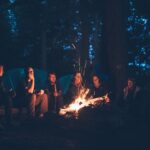
Campfires are a quintessential part of the camping experience. They provide warmth, light, and a place to gather around for stories and s’mores. But they also pose a significant risk if not handled responsibly.
🔥 The Science Behind Campfire Safety and Environmental Impact
- Dry conditions: Dry grass, leaves, and brush can easily ignite, spreading flames rapidly.
- Wind: Even a gentle breeze can carry embers far from the fire pit, starting new fires.
- Unattended fires: Leaving a fire unattended, even for a short time, is a recipe for disaster.
Here’s the harsh reality: Wildfires cause billions of dollars in damage each year, destroy habitats, and threaten human lives.
Remember: You are responsible for any fire you start, even if it’s accidental.
🌿 Leave No Trace: The Golden Rule of Responsible Camping
The Leave No Trace principles are a set of guidelines for minimizing your impact on the environment. They are essential for responsible camping and preserving the beauty of our natural spaces.
Here’s how to apply Leave No Trace to fire safety:
- Choose a safe fire ring: Use existing fire rings whenever possible.
- Clear the area: Remove any flammable vegetation within a 10-foot radius of the fire pit.
- Keep water and a shovel handy: Have these readily available to extinguish the fire quickly.
- Never leave a fire unattended: Always have someone watching the fire, even if you’re just stepping away for a moment.
- Douse, stir, and feel: Make sure the fire is completely out before leaving the campsite.
Here’s a personal story: I once witnessed a group of campers leave their fire unattended while they went for a swim. Luckily, a ranger spotted the smoldering embers and extinguished them before they could spread. It was a close call, and it serves as a reminder that even experienced campers can make mistakes.
2. Disrespecting Wildlife and Nature: Why It’s a Big No-No
Camping is about immersing yourself in nature, but it’s important to remember that you are a visitor in their home. Wildlife is often more afraid of humans than we are of them, but they can become aggressive if they feel threatened.
🐾 How to Respect Wildlife: Dos and Don’ts for Animal Encounters
Here are some essential dos and don’ts for encountering wildlife:
DO:
- Keep a safe distance: Never approach or try to touch wild animals.
- Store food properly: Keep food and scented items in airtight containers or bear-resistant canisters.
- Make noise: Talk or sing while hiking to alert animals of your presence.
- Observe from a distance: Use binoculars or a telephoto lens to view wildlife from afar.
DON’T:
- Feed wild animals: Feeding wildlife can make them dependent on humans and lead to aggressive behavior.
- Leave food scraps behind: Dispose of food waste properly in designated areas.
- Leave trash unattended: Trash attracts animals, so keep it secure in a bear-resistant container.
- Approach a mother with young: Give them plenty of space and avoid disturbing them.
Here’s a tip: If you encounter a wild animal, stay calm and slowly back away. Do not run, as this can trigger a chase response.
Remember: Wildlife is unpredictable, and it’s always best to err on the side of caution.
🛠️ Essential Camping Dos and Don’ts for a Safe and Fun Trip
Now that we’ve covered the two most critical things you must not do when camping, let’s explore some other essential dos and don’ts that will help you have a safe and enjoyable trip.
Here are some additional tips:
DO:
- Plan ahead: Research your destination, check weather forecasts, and pack accordingly.
- Tell someone your plans: Let a friend or family member know where you’re going and when you expect to return.
- Pack a first-aid kit: Be prepared for minor injuries and illnesses.
- Bring a map and compass: Know how to navigate in case of emergencies.
- Be aware of your surroundings: Pay attention to your surroundings and be mindful of potential hazards.
DON’T:
- Leave valuables unattended: Keep your belongings secure and out of sight.
- Drink alcohol excessively: Alcohol can impair judgment and increase the risk of accidents.
- Use drugs: Drugs can also impair judgment and make it difficult to handle emergencies.
- Litter: Pack out all your trash and leave the campsite cleaner than you found it.
- Disturb the natural environment: Avoid cutting down trees, building new fire rings, or damaging vegetation.
Remember: Camping is about enjoying nature, but it’s also about being responsible and respectful of the environment. By following these dos and don’ts, you can ensure a safe and memorable camping trip.
🎒 Packing Mistakes That Could Ruin Your Camping Experience
Packing for a camping trip can be a fun and exciting process, but it’s easy to overlook essential items or pack too much. Here are some common packing mistakes that could ruin your camping experience:
- Forgetting essential gear: Make sure you have a tent, sleeping bag, sleeping pad, cooking gear, and a first-aid kit.
- Packing too much food: Overpacking food can make your backpack heavy and lead to unnecessary waste.
- Not packing enough water: Dehydration is a serious risk, so make sure you have enough water for the duration of your trip.
- Leaving out important clothing: Pack layers, rain gear, and comfortable shoes.
- Not packing a headlamp or flashlight: You’ll need a reliable light source for navigating in the dark.
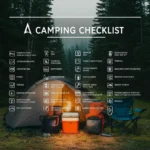
Here’s a tip: Use a camping checklist to help you pack everything you need and avoid forgetting anything essential.
👉 CHECK PRICE on:
- Coleman Sun Ridge 6-Person Tent: Amazon | Walmart | Coleman Official Website
- Kelty Galactic 30 Degree Sleeping Bag: Amazon | Walmart | Kelty Official Website
- Therm-a-Rest Trail Lite Sleeping Pad: Amazon | Walmart | Therm-a-Rest Official Website
🌧️ Weather Warnings: What Not to Do When the Storm Hits
Weather can change quickly in the wilderness, so it’s essential to be prepared for anything. Here are some things you should avoid doing when a storm hits:
- Staying in a tent during a lightning storm: If you’re caught in a lightning storm, seek shelter in a car or a sturdy building.
- Camping near a body of water during a flood: Flash floods can occur quickly and without warning, so avoid camping near rivers, streams, or lakes during heavy rain.
- Hiking in a thunderstorm: Lightning can strike anywhere, so it’s best to stay inside during a thunderstorm.
Here’s a tip: Check the weather forecast before you go camping and be prepared to adjust your plans if necessary.
⛺ Setting Up Camp: Common Mistakes to Avoid for Comfort and Safety
Setting up camp can be a fun and rewarding experience, but it’s important to do it right to ensure comfort and safety. Here are some common mistakes to avoid:
- Setting up camp in a low-lying area: Low-lying areas are prone to flooding, so choose a campsite on higher ground.
- Setting up camp near a water source: Avoid setting up camp near rivers, streams, or lakes, as these areas can attract insects and wildlife.
- Not securing your tent properly: Make sure your tent is securely staked down and that the fly is properly attached.
- Not clearing the area around your tent: Remove any debris or sharp objects that could puncture your tent.
- Not storing food properly: Keep food and scented items in airtight containers or bear-resistant canisters.
Here’s a tip: Take your time setting up camp and make sure everything is in place before settling in for the night.
📱 Technology and Camping: When to Unplug and When to Stay Connected
Technology can be a great tool for camping, but it’s important to use it wisely. Here are some tips for balancing technology and camping:
- Use your phone as a navigation tool: Download maps and compass apps to help you navigate the wilderness.
- Use your phone to stay connected in emergencies: Keep your phone charged and have a backup battery pack.
- Use your phone to capture memories: Take photos and videos of your camping adventures.
- Unplug and enjoy nature: Take breaks from your phone and enjoy the peace and quiet of the wilderness.
Here’s a tip: Consider using a portable solar charger to keep your phone charged without relying on a power outlet.
👉 CHECK PRICE on:
- Anker PowerCore 20100 Portable Charger: Amazon | Walmart | Anker Official Website
- Goal Zero Nomad 7 Solar Panel: Amazon | Walmart | Goal Zero Official Website
🧭 Navigating the Wilderness: Avoid These Critical Errors
Navigating the wilderness can be challenging, even for experienced campers. Here are some critical errors to avoid:
- Not bringing a map and compass: Always bring a map and compass, even if you’re using a GPS device.
- Not knowing how to use a map and compass: Take the time to learn how to use a map and compass before you go camping.
- Not checking the weather forecast: Weather conditions can change quickly in the wilderness, so check the forecast before you go hiking.
- Not telling someone your plans: Let a friend or family member know where you’re going and when you expect to return.
- Not carrying a first-aid kit: Be prepared for minor injuries and illnesses.
Here’s a tip: If you’re unsure about your navigation skills, consider hiring a guide or taking a wilderness navigation course.
🚨 Emergency Preparedness: What Not to Overlook
Emergencies can happen anywhere, so it’s essential to be prepared. Here are some things you should not overlook when it comes to emergency preparedness:
- Not packing a first-aid kit: A well-stocked first-aid kit is essential for treating minor injuries and illnesses.
- Not having a plan for emergencies: Know what to do in case of a fire, flood, or other emergency.
- Not carrying a whistle: A whistle can be used to signal for help in an emergency.
- Not having a way to contact help: Carry a cell phone or a satellite communicator.
- Not knowing how to use your emergency equipment: Practice using your first-aid kit, whistle, and other emergency equipment before you go camping.
Here’s a tip: Take a wilderness first-aid course to learn how to handle common injuries and illnesses in the wilderness.
🎉 Fun Camping Activities That Don’t Break the Rules
Camping is all about having fun, but it’s important to do so responsibly. Here are some fun camping activities that won’t break the rules:
- Hiking: Explore the trails and enjoy the beauty of the wilderness.
- Fishing: Cast a line and see what you can catch.
- Stargazing: Lie back and enjoy the stars on a clear night.
- Playing games: Bring a deck of cards, board games, or other games to enjoy with your friends and family.
- Telling stories: Gather around the campfire and share stories and jokes.
Here’s a tip: Check the local regulations for any restrictions on activities like fishing or hiking.
🧳 Real Camper Stories: Lessons Learned the Hard Way
We’ve all made mistakes when camping, but sometimes those mistakes can teach us valuable lessons. Here are some real camper stories that illustrate the importance of following the rules and being prepared:
- The campfire that got out of control: A group of campers left their campfire unattended, and it spread to the surrounding brush, causing a wildfire.
- The bear encounter: A camper left food unattended in their tent, and a bear broke in and stole their food.
- The lost hiker: A hiker got lost in the woods because they didn’t bring a map and compass.
- The unprepared camper: A camper was caught in a thunderstorm without rain gear and got soaked.
Remember: These stories are a reminder that even experienced campers can make mistakes. By following the rules and being prepared, you can avoid these mistakes and have a safe and enjoyable camping trip.
🔗 Recommended Links for Safe and Responsible Camping
- Leave No Trace: https://lnt.org/
- National Park Service: https://www.nps.gov/
- U.S. Forest Service: https://www.fs.usda.gov/
- National Wildlife Federation: https://www.nwf.org/
❓ FAQ: Your Burning Questions About Camping Mistakes Answered

Q: What are the most common camping mistakes?
A: The most common camping mistakes include ignoring fire safety rules, disrespecting wildlife, leaving no trace, packing mistakes, weather preparedness, and setting up camp incorrectly.
Q: How can I avoid making camping mistakes?
A: You can avoid making camping mistakes by planning ahead, researching your destination, checking weather forecasts, packing accordingly, following the Leave No Trace principles, and being aware of your surroundings.
Q: What should I do if I make a mistake while camping?
A: If you make a mistake while camping, try to correct it as soon as possible. If you’re unsure how to proceed, contact a ranger or park official for assistance.
Q: What are some tips for staying safe while camping?
A: To stay safe while camping, follow the Leave No Trace principles, be aware of your surroundings, pack a first-aid kit, carry a whistle, and have a plan for emergencies.
Q: What are some fun camping activities that don’t break the rules?
A: Fun camping activities that don’t break the rules include hiking, fishing, stargazing, playing games, and telling stories.
Q: What are some real camper stories that illustrate the importance of following the rules and being prepared?
A: Real camper stories about campfire accidents, bear encounters, lost hikers, and unprepared campers highlight the importance of following the rules and being prepared for anything.
Q: Where can I find more information about safe and responsible camping?
A: You can find more information about safe and responsible camping on the websites of the Leave No Trace Center for Outdoor Ethics, the National Park Service, the U.S. Forest Service, and the National Wildlife Federation.
📚 Reference Links and Further Reading
- Leave No Trace Center for Outdoor Ethics: https://lnt.org/
- National Park Service: https://www.nps.gov/
- U.S. Forest Service: https://www.fs.usda.gov/
- National Wildlife Federation: https://www.nwf.org/
- The Ultimate Guide to Car Camping Essentials – Madelyne on the Move: https://www.madelyneonthemove.com/car-camping-essentials/
- Camping Magazine: Confessions of a Disciplinarian – ACACamps: https://www.acacamps.org/article/camping-magazine/confessions-disciplinarian-how-managing-camper-behavior-can-save-summer
- 16 Camping Dos and Don’ts – National Forests: https://www.nationalforests.org/blog/16-camping-dos-and-donts
🔚 Conclusion: Mastering the Art of What NOT to Do When Camping

Alright, fellow adventurers, we’ve journeyed through the wilderness of camping wisdom together, uncovering the two cardinal sins you must avoid: ignoring fire safety and disrespecting wildlife and nature. These aren’t just rules—they’re the backbone of responsible camping that protects you, your fellow campers, and the beautiful environment we all cherish.
But remember, camping is as much about what you do right as what you don’t do wrong. From packing smartly to respecting weather warnings, setting up camp thoughtfully, and embracing the Leave No Trace ethos, every choice you make shapes your adventure.
We shared real stories—like the near wildfire caused by an unattended fire and the bear that crashed a campsite because of careless food storage—to remind us that mistakes can have serious consequences. But with preparation, awareness, and respect, you can avoid these pitfalls and enjoy the magic of the great outdoors safely and sustainably.
So next time you hit the trail or pitch your tent, keep these lessons close. Your future self (and Mother Nature) will thank you!
And hey, if you want to nail your packing and prep, check out our How to Prepare Before Going Camping: 12 Must-Know Tips for 2025 🏕️ for a step-by-step guide that complements everything here.
Happy camping, and may your campfires always be safe and your wildlife encounters respectful! 🔥🐾
🔗 Recommended Links for Safe and Responsible Camping
Here’s a curated list of gear and resources to help you camp smarter and safer:
-
Coleman Sun Ridge 6-Person Tent:
Amazon | Walmart | Coleman Official Website -
Kelty Galactic 30 Degree Sleeping Bag:
Amazon | Walmart | Kelty Official Website -
Therm-a-Rest Trail Lite Sleeping Pad:
Amazon | Walmart | Therm-a-Rest Official Website -
Anker PowerCore 20100 Portable Charger:
Amazon | Walmart | Anker Official Website -
Goal Zero Nomad 7 Solar Panel:
Amazon | Walmart | Goal Zero Official Website -
Recommended Books:
❓ FAQ: Your Burning Questions About Camping Mistakes Answered

What are the essential items to bring when going camping to ensure a safe and enjoyable trip?
To camp like a pro, pack the essentials that cover shelter, warmth, hydration, and safety:
- Shelter: Tent (like the Coleman Sun Ridge), sleeping bag (Kelty Galactic is a solid choice), and sleeping pad (Therm-a-Rest Trail Lite).
- Cooking gear: Portable stove, fuel, lightweight cookware.
- Navigation: Map, compass, GPS device or smartphone with offline maps.
- Safety: First-aid kit, whistle, flashlight/headlamp (GearLight is a fan favorite), and a multi-tool.
- Hydration: Water bottles or hydration reservoirs, plus a water filter or purification tablets.
- Clothing: Layered, moisture-wicking, and weather-appropriate gear.
- Food: Non-perishable, easy-to-cook meals, and bear-proof storage if needed.
- Miscellaneous: Sunscreen, insect repellent, trash bags, and a portable charger (Anker PowerCore or Goal Zero solar panel).
Bringing these items ensures you’re prepared for most situations and can enjoy your trip comfortably and safely. For a detailed packing list, check out our Camping Preparation Guide.
How do I prepare for different types of weather conditions when camping in the wilderness?
Weather can be unpredictable, so preparation is key:
- Check forecasts: Always check local weather before your trip and monitor updates.
- Pack layers: Base layers for moisture-wicking, insulating mid-layers, and waterproof/windproof outer layers.
- Rain gear: Waterproof jackets, pants, and rain covers for your backpack.
- Shelter: Ensure your tent has a reliable rainfly and good ventilation to prevent condensation.
- Footwear: Waterproof boots or shoes with good traction.
- Emergency gear: Pack an emergency blanket and extra dry clothes.
If storms are forecasted, plan for safe shelter options and avoid camping in flood-prone areas. Knowing how to quickly secure your campsite and protect yourself from hypothermia or heat exhaustion is vital.
Read more about “Ace Your Camping Trip: 10+ Steps to Prep 🏕️”
What are some common mistakes to avoid when setting up a campsite to minimize environmental impact?
To keep nature pristine and follow Leave No Trace principles:
- Don’t create new campsites: Use established sites to avoid damaging vegetation.
- Avoid fragile areas: Steer clear of wetlands, meadows, and areas with rare plants.
- Don’t cut live trees or branches: Use dead wood only for fires, and only where permitted.
- Proper fire management: Use existing fire rings, keep fires small, and fully extinguish them.
- Waste disposal: Pack out all trash, bury human waste properly or use portable toilets.
- Minimize noise and light pollution: Respect wildlife and other campers.
These practices preserve the environment and ensure future campers can enjoy the same beauty.
What safety precautions should I take when camping in areas with wildlife to avoid encounters with animals?
Wildlife encounters can be thrilling or dangerous—here’s how to stay safe:
- Store food securely: Use bear canisters or hang food at least 10 feet off the ground and 4 feet from a tree trunk.
- Keep a clean campsite: Dispose of food scraps properly and never leave food unattended.
- Make noise while hiking: Alert animals to your presence to avoid surprising them.
- Know local wildlife: Research animals in the area and understand their behavior.
- Carry deterrents: Bear spray is recommended in bear country; know how to use it.
- Keep pets leashed: To protect both your pet and wildlife.
- Stay calm during encounters: Don’t run; back away slowly and speak calmly.
Following these precautions helps protect both you and the animals, maintaining a safe and respectful coexistence.
📚 Reference Links and Further Reading
- Leave No Trace Center for Outdoor Ethics: https://lnt.org/
- National Park Service: https://www.nps.gov/
- U.S. Forest Service: https://www.fs.usda.gov/
- National Wildlife Federation: https://www.nwf.org/
- Coleman Official Website: https://www.coleman.com/
- Kelty Official Website: https://www.kelty.com/
- Therm-a-Rest Official Website: https://www.thermarest.com/
- Anker Official Website: https://www.anker.com/
- Goal Zero Official Website: https://www.goalzero.com/
- The Ultimate Guide to Car Camping Essentials – Madelyne on the Move: https://www.madelyneonthemove.com/car-camping-essentials/
Ready to take your camping game to the next level? Dive into our Camping Preparation Guide for more expert tips and gear reviews!