Support our educational content for free when you purchase through links on our site. Learn more
🏕️ The Ultimate 4-Day Camping Food List: Eat Fresh, Pack Smart (2026)

Stop guessing and start eating: the secret to a perfect 4-day trip is eating your fresh meat on Day 1 and switching to shelf-stable or frozen items by Day 3. Our expert camping food list for 4 days is engineered to keep your cooler cold, your meals delicious, and your cleanup minimal, ensuring you spend more time hiking and less time scrubing pans.
We once arrived at a beautiful lakeside site only to realize we’d packed fresh chicken for Day 3, resulting in a lukewarm, unsafe disaster that ruined our afternoon. That’s why we’ve perfected this timeline: fresh ingredients for the first two days, followed by smart, non-perishable backups that taste just as good.
Did you know an active camper can burn up to 4,0 calories a day? If you don’t pack enough high-energy fuel, you’ll be too exhausted to enjoy the view. This guide covers exactly what to bring, when to eat it, and how to prep it so you never face a hungry, grumpy campsite again.
Key Takeaways
- The Golden Rule: Consume all fresh meat and dairy within the first 48 hours to prevent spoilage as your ice melts.
- Strategic Prep: Pre-chop veggies and pre-mix spice blends at home to cut cooking time by 50% at the campsite.
- Hydration Math: Pack at least 1 gallon of water person per day, plus extra for cooking and cleaning.
- Smart Swaps: Replace perishable items with freeze-dried meals and canned goods for Days 3 and 4 to ensure safety and flavor.
- Zero-Waste Success: Use reusable containers and biodegradable soap to leave no trace while enjoying a gourmet experience.
Table of Contents
- ⚡️ Quick Tips and Facts
- 🏕️ The Evolution of the Camping Pantry: From Bear Bones to Freeze-Dried Meals
- 📋 How to Use This Ultimate 4-Day Camping Food List
- 🎒 The Weekend Camping Grocery List: Your 4-Day Survival Kit
- Day 1: Arrival, Appetizers, and the First Campfire Feast
- Day 2: High-Energy Breakfasts and Trailside Lunches
- Day 3: The Mid-Trip Menu and Smart Snack Strategies
- Day 4: The Final Morning, Packing Up, and the Last Super
- 🥣 Quick and Easy Camping Meal Ideas for the Lazy Chef
- 🥫 Non-Perishable Staples and Shelf-Stable Essentials for 4 Days
- 🧊 Cooler Mastery: Keeping Fresh Food Safe for Your 4-Day Trip
- 🍳 Breakfast, Lunch, and Dinner: A Complete 4-Day Meal Plan Breakdown
- 🥜 Healthy Camping Snacks to Keep Your Energy High
- 🥤 Hydration Hacks: Water, Drinks, and Electrolytes for the Outdoors
- 🍽️ Cooking Gear and Utensils You Actually Need for 4 Days
- 🚫 Foods to Avoid: What Not to Pack for a 4-Day Adventure
- 🌲 Eco-Friendly Camping: Zero-Waste Food Practices
- 👨 👩 👧 👦 Family-Friendly Camping Food Lists for Kids and Picky Eaters
- 🏔️ Special Diets: Gluten-Free, Vegan, and Keto Camping Options
- 📝 Printable 4-Day Camping Checklist and Shopping Template
- 🏆 Conclusion
- 🔗 Recommended Links
- ❓ FAQ
- 📚 Reference Links
⚡️ Quick Tips and Facts
Before we dive into the nitty-gritty of packing your cooler, let’s hit the pause button on the chaos. We’ve been there: arriving at the campsite with a bag of frozen meat that’s already a lukewarm slush, or realizing you forgot the salt for the third night in a row. Don’t let that be you.
Here are the golden rules of our 4-day camping food strategy:
- The “Eat Fresh First” Rule: Always plan your most perishable items (fresh meat, dairy, leafy greens) for Day 1 and Day 2. By Day 3 and 4, you should be relying on shelf-stable or frozen items that have thawed into usable ingredients.
- Calorie Math: An active camper burns roughly 2,50 to 4,0 calories a day. If you’re just sitting by the fire, 2,0 might suffice. If you’re hiking 10 miles a day, pack like you’re climbing Everest.
- Water Weight: For every 1 pound of food you bring, you need roughly 1-2 pounds of water (for cooking and drinking). Hydration is non-negotiable.
- The Ziploc Lifeline: If it’s not in a heavy-duty, freezer-grade Ziploc bag, it doesn’t belong in the cooler. It will leak, it will get sogy, and it will ruin your good mood.
- Prep is King: The difference between a 15-minute meal and a 45-minute disaster is pre-chopping veggies and pre-mixing spices at home.
Pro Tip: If you’re planning a slightly longer trek, check out our detailed guide on a Camping Food List for 5 Days 2024 for extended trip strategies.
🏕️ The Evolution of the Camping Pantry: From Bear Bones to Freeze-Dried Meals
Camping food hasn’t always been about dehydrated chicken teriyaki and freeze-dried fruit. It’s a story of survival, convenience, and the eternal struggle against the bear.
In the early days, our ancestors were eating whatever they could hunt, gather, or preserve in smoke. Fast forward to the 1950s, and the invention of the canned good revolutionized the outdoors. Suddenly, you could have a hot meal without a kill. Then came the freeze-drying boom of the 70s and 80s, giving us the lightweight, shelf-stable meals we know today.
But here’s the twist: Are we losing the soul of camping?
Some purists argue that a meal cooked over an open fire with fresh ingredients is the only “real” camping experience. Others, like us at Camping Checklist™, believe that efficiency equals more time for adventure. If you spend 3 hours chopping onions and 2 hours cleaning a cast-iron skillet, you have 5 fewer hours to hike or swim.
The modern camper needs a hybrid approach. We want the flavor of fresh food on Day 1, the convenience of pre-packaged meals on Day 3, and the joy of a campfire treat every single night. It’s not about choosing one side; it’s about curating a menu that respects your time and your taste buds.
📋 How to Use This Ultimate 4-Day Camping Food List
This isn’t just a list; it’s a strategic roadmap. We’ve designed this guide to work for car campers, families, and even the occasional backpacker (with some weight adjustments).
The Strategy Behind the List
- Assess Your Activity Level: Are you lounging by the lake or summiting peaks? Adjust portion sizes accordingly.
- Check Your Gear: Do you have a gas stove, a campfire grate, or just a portable grill? This dictates whether you can make a complex stew or need to stick to foil packets.
- Know Your Cooler: If you have a high-end cooler like a Yeti or RTIC, you can stretch fresh meat for 3 days. If you’re using a standard Styrofoam cooler, eat that steak on Day 1.
- Customize for Diets: We’ve included notes for gluten-free, vegan, and keto options throughout the daily breakdown.
Curiosity Check: Have you ever wondered why some camping meals taste better than home-coked ones? It’s not just the fresh air. It’s the psychology of the outdoors. But there’s a specific cooking technique we use on Day 2 that makes everything taste 10x better. We’ll reveal that secret in the “Mid-Trip Menu” section.
🎒 The Weekend Camping Grocery List: Your 4-Day Survival Kit
Let’s get shopping. We’ve broken this down by category, but remember: buy what you need, not what’s on sale.
🥩 Fresh Produce & Dairy
- Fruits: Apples (they don’t bruise like bananas), oranges, grapes, and pre-cut melon.
- Veggies: Baby carrots, celery sticks, bell peppers, onions, garlic, and potatoes.
- Grens: Baged salad mix (lasts longer than loose lettuce) and spinach.
- Dairy: Butter, milk (or shelf-stable alternatives), cheddar cheese blocks, and eggs.
🥩 Meat & Protein
- Fresh: Ground beef, chicken breasts, hot dogs, bacon, and deli meats.
- Canned: Tuna, chicken, beans, and chili.
- Dry: Beef jerky, summer sausage, and hard cheeses.
🍞 Pantry Staples
- Grains: Rice, pasta, quinoa, oats, and tortillas (tortillas are the MVP of camping bread).
- Canned Goods: Diced tomatoes, soup bases, and sauces.
- Spices: Salt, pepper, garlic powder, onion powder, and a pre-mixed “taco seasoning” or “stew spice” blend.
- Treats: Marshmallows, chocolate, graham crackers, and your favorite snacks.
🧊 Ice & Water
- Block Ice: Lasts longer than cubed ice.
- Frozen Water Jugs: Freeze 2-liter bottles to use as ice packs that double as drinking water.
1. Day 1: Arrival, Appetizers, and the First Campfire Feast
The Vibe: You’ve just set up camp. Your back hurts, your tent is slightly croked, and you’re hungry. Simplicity is key.
🌅 Breakfast: The “No-Fuss” Scramble
Don’t try to make a three-course omelet. You’re tired.
- The Meal: Shake-up Scrambled Eggs. Crack eggs into a mason jar with a splash of milk, salt, and pepper. Shake it up, pour into a greased pan, and scramble.
- Side: Pre-sliced bacon or sausage links.
- Carb: Bagels or toast.
- Why it works: Minimal cleanup, high protein, and ready in 5 minutes.
🥪 Lunch: The “On-the-Go” Wrap
You’re likely still unpacking or exploring the immediate area.
- The Meal: Deli Meat & Cheese Tortilla Wraps. Use hard tortillas (they don’t get sogy). Add spinach, cheese, and deli turkey or ham.
- Side: Apple slices and a handful of almonds.
- Why it works: No cooking required.
🔥 Dinner: The “Fresh Meat” Feast
This is the night to eat your most perishable proteins.
- The Meal: Campfire Burgers or Hot Dogs. Grill them over the fire or stove.
- Sides: Foil-wrapped potatoes (toss with butter, salt, and pepper) and corn on the cob.
- Dessert: S’mores. It’s non-negotiable.
- Why it works: It’s classic, easy, and uses up the fresh meat before it spoils.
Insider Tip: If you’re worried about the fire being too hot for the burgers, use a cast-iron skillet to cook them. It distributes heat evenly and prevents flare-ups.
2. Day 2: High-Energy Breakfasts and Trailside Lunches
The Vibe: You’re rested, the sun is up, and you’re ready to hit the trails. This day requires high-energy, portable food.
🥞 Breakfast: The “Powerhouse” Pancakes
- The Meal: Shake-and-Pour Pancakes. Use a mix like Aunt Jemima or Kodiak Cakes (which have more protein). Pre-mix the dry ingredients at home; just add water at camp.
- Protein Boost: Add a side of scrambled eggs or sausage.
- Why it works: Carbs for energy, protein for muscle repair.
🥗 Lunch: The “Trailside” Salad
- The Meal: Baged Salad with Canned Tuna. Open the bag, dump in a can of tuna, add some olive oil and vinegar.
- Side: Crackers and cheese.
- Why it works: Fresh veggies are still good, and it’s light enough to eat while hiking.
🍲 Dinner: The “One-Pot” Wonder
- The Meal: Pasta with Canned Sauce. Boil pasta, drain, mix with a jar of Prego or Ragu sauce. Add pre-coked chicken or ground beef if you have leftovers.
- Side: Garlic bread (toast it in the foil over the fire).
- Why it works: One pot to clean, filling, and comforting.
3. Day 3: The Mid-Trip Menu and Smart Snack Strategies
The Vibe: The fresh meat is gone. The cooler is getting warm. It’s time to get creative with shelf-stable and frozen items.
🥣 Breakfast: The “Overnight” Oats
- The Meal: Overnight Oats. We mentioned this in the “Quick Tips,” but here’s the real deal. Mix oats, chia seeds, milk, and fruit in a jar the night before. By morning, it’s ready to eat.
- Why it works: Zero cooking, no cleanup, and it keeps you full for hours.
🥪 Lunch: The “No-Cook” Quesadilla
- The Meal: Chese and Bean Quesadillas. Use a tortilla, fill with canned beans and shredded cheese. Heat in a pan until the cheese melts.
- Side: Salsa and guacamole (buy the single-serve cups to avoid spoilage).
- Why it works: Uses up the cheese before it goes bad, and it’s delicious.
🍛 Dinner: The “Freezer-to-Fire” Stew
- The Meal: Frozen Ground Beef Stew. Remember those frozen patties we talked about? Thaw them slightly, brown them in a pot, add frozen veggies (carots, peas, potatoes) and a can of soup or broth. Simer until tender.
- Why it works: It tastes like a home-coked meal but uses ingredients that have survived the cooler.
4. Day 4: The Final Morning, Packing Up, and the Last Super
The Vibe: You’re tired, the campsite is a mess, and you need to pack up fast. Speed is the priority.
🍩 Breakfast: The “Grab-and-Go”
- The Meal: Pop-Tarts or Granola Bars. Warm them in the fire (wrapped in foil) if you’re feeling fancy.
- Drink: Instant coffee or hot chocolate.
- Why it works: You can eat it while packing the car.
🥪 Lunch: The “Leftover” Sandwich
- The Meal: Deli Meat and Cheese Sandwiches. Use the last of the bread and meat.
- Side: Fruit snacks or chips.
- Why it works: Clears out the fridge before you leave.
🚫 Dinner: The “Skip It” Strategy
- The Meal: Snack Dinner. If you’re driving home late, just have a big snack. Or, if you’re staying one more night, make a simple ramen noodle dish.
- Why it works: No dishes to wash before you leave the campsite.
🥣 Quick and Easy Camping Meal Ideas for the Lazy Chef
Sometimes, you just don’t want to cook. We get it. Here are our top lazy chef hacks:
- Foil Packet Fajitas: Marinate chicken and veggies in a bag at home. Throw them in foil, seal it, and toss it on the coals. 15 minutes later, you have a meal.
- One-Pot Chili: Canned beans, canned tomatoes, ground beef (or vegie crumbles), and a packet of chili seasoning. Simer and eat.
- Breakfast Buritos: Pre-make these at home, freeze them, and reheat in the fire.
- Pasta Salad: Cook pasta at home, mix with veggies and dressing, and eat cold.
🥫 Non-Perishable Staples and Shelf-Stable Essentials for 4 Days
When the ice melts, these are your best friends:
| Category | Item | Why It’s Essential |
|---|---|---|
| Protein | Canned Tuna/Chicken | Lightweight, no cooking required. |
| Grains | Instant Rice/Pasta | Cooks in 5 minutes, no soaking needed. |
| Snacks | Beef Jerky/Nuts | High protein, no refrigeration. |
| Fruit | Dried Fruit/Applesauce | Sweet treat without the mess. |
| Dairy | Shelf-Stable Milk/Chese | Lasts days without ice. |
| Sauce | Canned Soup/Stew | Complete meal in a can. |
🧊 Cooler Mastery: Keeping Fresh Food Safe for Your 4-Day Trip
Your cooler is the most important piece of gear you have. Here’s how to master it:
- Pre-Chill: Put your cooler in the fridge or freezer for 24 hours before the trip.
- Layer It: Bottom layer = block ice. Middle layer = frozen meats. Top layer = drinks and veggies.
- Minimize Openings: Every time you open the cooler, you lose cold air. Plan your meals and grab everything you need at once.
- Use Frozen Water Bottles: They act as ice packs and turn into drinking water as they melt.
🍳 Breakfast, Lunch, and Dinner: A Complete 4-Day Meal Plan Breakdown
We’ve covered the daily breakdown, but let’s look at the nutritional balance.
- Breakfast: Focus on complex carbs (oats, whole grain bread) and protein (egs, yogurt) to fuel the morning.
- Lunch: Keep it light and portable. Salads, wraps, and sandwiches are perfect.
- Dinner: Go for hearty and comforting. Stews, pasta, and grilled meats provide the satisfaction of a full day.
🥜 Healthy Camping Snacks to Keep Your Energy High
Snacking is crucial. Don’t just bring candy.
- Trail Mix: Mix nuts, seeds, dried fruit, and dark chocolate.
- Energy Bars: Look for Clif Bars or RXBAR for real ingredients.
- Fresh Fruit: Apples, oranges, and grapes.
- Vegie Sticks: Carots, celery, and bell peppers with humus.
🥤 Hydration Hacks: Water, Drinks, and Electrolytes for the Outdoors
You can’t survive without water. Here’s how to stay hydrated:
- Bring More Than You Think: Aim for 1 gallon person per day.
- Electrolytes: Add Liquid IV or Gatorade powder to your water to replace salts lost through sweat.
- Avoid Alcohol: It dehydrates you. Save the beer for the evening, and drink plenty of water before and after.
🍽️ Cooking Gear and Utensils You Actually Need for 4 Days
You don’t need a full kitchen. Here’s the essentials list:
- Stove: A reliable Camp Chef or Jetboil stove.
- Cookware: A cast-iron skillet, a pot for boiling water, and a spatula.
- Utensils: Tongs, a knife, and a cutting board.
- Cleanup: Biodegradable soap, a sponge, and a drying rack.
🚫 Foods to Avoid: What Not to Pack for a 4-Day Adventure
- Banas: They bruise too easily.
- Leafy Greens (Lose): They wilt and turn to slime.
- Mayonnaise (Open Jar): It spoils quickly in the heat.
- Glass Jars: They break and are dangerous.
- Excessive Sugar: It gives you a crash later.
🌲 Eco-Friendly Camping: Zero-Waste Food Practices
Leave no trace. Here’s how:
- Pack It In, Pack It Out: Bring trash bags and take everything with you.
- Use Reusables: Bring reusable plates, cups, and utensils.
- Compost: If possible, compost your food scraps (away from the campsite).
- Avoid Single-Use Plastics: Use beeswax wraps instead of plastic wrap.
👨 👩 👧 👦 Family-Friendly Camping Food Lists for Kids and Picky Eaters
Kids are picky. Here’s how to keep them happy:
- Familiar Foods: Bring their favorite snacks and meals.
- Fun Shapes: Use cookie cuters to make sandwiches and fruit fun.
- Interactive Meals: Let them help make s’mores or foil packets.
- Hydration: Keep them drinking water, not just juice.
🏔️ Special Diets: Gluten-Free, Vegan, and Keto Camping Options
- Gluten-Free: Use corn tortillas, quinoa, and GF oats.
- Vegan: Focus on beans, lentils, tofu, and veggies.
- Keto: Bring cheese, meat, nuts, and low-carb veggies.
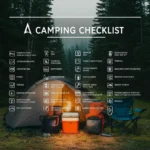
📝 Printable 4-Day Camping Checklist and Shopping Template
Download our free printable checklist here to ensure you don’t forget a thing.
🏆 Conclusion

So, there you have it. The ultimate guide to surviving (and thriving) on a 4-day camping trip without turning into a starving, grumpy camper. We started with the question: How do you balance fresh flavor with the convenience of shelf-stable food? The answer lies in strategic planning.
By eating your fresh meat on Day 1, utilizing frozen ingredients on Day 2 and 3, and relying on non-perishables for the final stretch, you ensure that every meal is safe, delicious, and easy to prepare. Remember, the goal isn’t to cook a Michelin-star meal; it’s to enjoy the outdoors with a full belly and a happy heart.
Our Top Recommendation: Don’t overcomplicate it. Stick to the “Eat Fresh First” rule, prep your spices at home, and always bring extra water. And if you’re still unsure, grab a Mountain House freeze-dried meal for the last night just in case.
Ready to hit the road? Grab your cooler, pack your snacks, and let the adventure begin!
🔗 Recommended Links
- 👉 Shop Camping Stoves: Amazon Camping Stoves | REI Camping Stoves
- 👉 Shop Coolers: Yeti Coolers | RTIC Coolers
- 👉 Shop Freeze-Dried Meals: Mountain House | Backpacker’s Pantry
- Books: The Ultimate Camping Cookbook
- Internal Resources:
- Camping Preparation Guide
- Camping Food and Nutrition
- Camping Gear Reviews
❓ FAQ

What’s a good camping menu?
A good camping menu balances fresh ingredients for the first two days with shelf-stable or frozen items for the remainder. It should include a mix of high-energy breakfasts, portable lunches, and hearty dinners, with plenty of snacks to keep energy levels up.
Read more about “🍽️ 25 Best Foods for 2 Days Camping (2026 Guide)”
What food should I bring for 4 days camping?
For a 4-day trip, bring fresh meat and dairy for Days 1-2, and canned goods, dried fruits, nuts, and freeze-dried meals for Days 3-4. Don’t forget plenty of water and electrolytes.
Read more about “🏕️ The Ultimate Off-Grid Camping Checklist: 150+ Essentials (2026)”
What are the best non-perishable camping foods for a 4-day trip?
The best non-perishable foods include canned beans, tuna, and chicken, instant rice and pasta, bef jerky, nuts and seeds, dried fruit, and freeze-dried meals.
Read more about “🏕️ 5-Day Camping Checklist: 8 Essentials You Can’t Miss (2026)”
How much food should I pack person for 4 days of camping?
Plan for roughly 1.5 to 2 pounds of food person per day, depending on activity level. This includes breakfast, lunch, dinner, and snacks.
Read more about “🏕️ What Food to Take Camping for a Weekend: The Ultimate 48-Hour Guide (2026)”
What are some easy 4-day camping meal ideas for beginners?
Beginers should stick to foil packet meals, one-pot pasta, tacos, hot dogs, and canned soups. These require minimal prep and cleanup.
Read more about “What Do People Cook On When Camping? 9 Top Methods Revealed 🔥 (2026)”
How do I plan a balanced 4-day camping menu on a budget?
To save money, buy generic brands for canned goods and spices, use frozen vegetables instead of fresh for later days, and focus on bulk ingredients like rice, beans, and pasta.