Support our educational content for free when you purchase through links on our site. Learn more
How Far in Advance Should You Plan a Camping Trip? [2024] 🏕️

Ever dreamt of escaping to a serene campsite, surrounded by nature’s grandeur? We all have. But have you ever found yourself scrambling to secure a campsite just weeks before your trip? The truth is, planning your camping trip in advance can save you from disappointment and ensure you snag that perfect spot. Just like prepping for a delicious meal, each step in planning your trip contributes to a seamless and enjoyable experience. In this comprehensive guide, we’ll explore the crucial factors that influence how far in advance you should plan, from popular destinations to peak season and the type of camping you prefer. We’ll even share tips for booking campsites, packing essentials, and keeping your trip safe and environmentally friendly. Ready to unlock the secrets to a stress-free camping adventure? Let’s dive in!
Quick Answer
How far in advance should you plan your camping trip?
- National Parks: Plan 6-12 months in advance, especially for popular parks like Yosemite, Yellowstone, and the Grand Canyon.
- Campgrounds: Plan 3-6 months in advance, especially during peak season (summer).
- Dispersed Camping: While you can often find dispersed campsites on a whim, it’s best to have a backup plan in case your first choice is full.
👉 Shop for Camping Gear on: Amazon | Walmart | REI
Table of Contents
- Quick Tips and Facts
- The History of Camping: A Timeline of Outdoor Adventure
- Planning Your Camping Trip: A Comprehensive Guide
- Choosing the Perfect Destination: Where to Camp in North America
- When to Go Camping: A Seasonal Guide to Outdoor Adventures
- Booking Your Campsite: Securing Your Spot in Paradise
- Packing for Success: The Ultimate Camping Checklist
- Essential Gear: From Tents to Sleeping Bags and Everything In Between
- Safety First: Tips for Staying Safe in the Wilderness
- Leave No Trace: Respecting the Environment
- Camping with Kids: Tips for a Family Adventure
- Camping with Pets: Bringing Your Furry Friend Along
- The Ultimate Camping Budget: How Much Does It Cost?
- Conclusion
- Recommended Links
- FAQ
- Reference Links
Quick Tips and Facts
How far in advance should you plan a camping trip? That’s a great question, and the answer depends on a few factors:
- Where are you going? Popular destinations like national parks often require reservations months in advance.
- When are you going? Peak season (summer) will fill up faster than shoulder seasons (spring and fall).
- What kind of camping are you doing? Reserved campsites at campgrounds will need advanced planning, while dispersed camping can be more spontaneous.
Here are some general guidelines:
- National Parks: Start planning 6-12 months in advance for popular parks like Yosemite, Yellowstone, and the Grand Canyon. You can find reservations on recreation.gov.
- Campgrounds: Plan 3-6 months in advance for popular campgrounds, especially during peak season.
- Dispersed Camping: You can often find dispersed campsites on a whim, but it’s best to have a backup plan in case your first choice is full.
Want to make your camping plans even easier? We’ve got you covered! Check out our Camping Preparation Guide for all the tips and tricks you need to plan the perfect trip.
The History of Camping: A Timeline of Outdoor Adventure
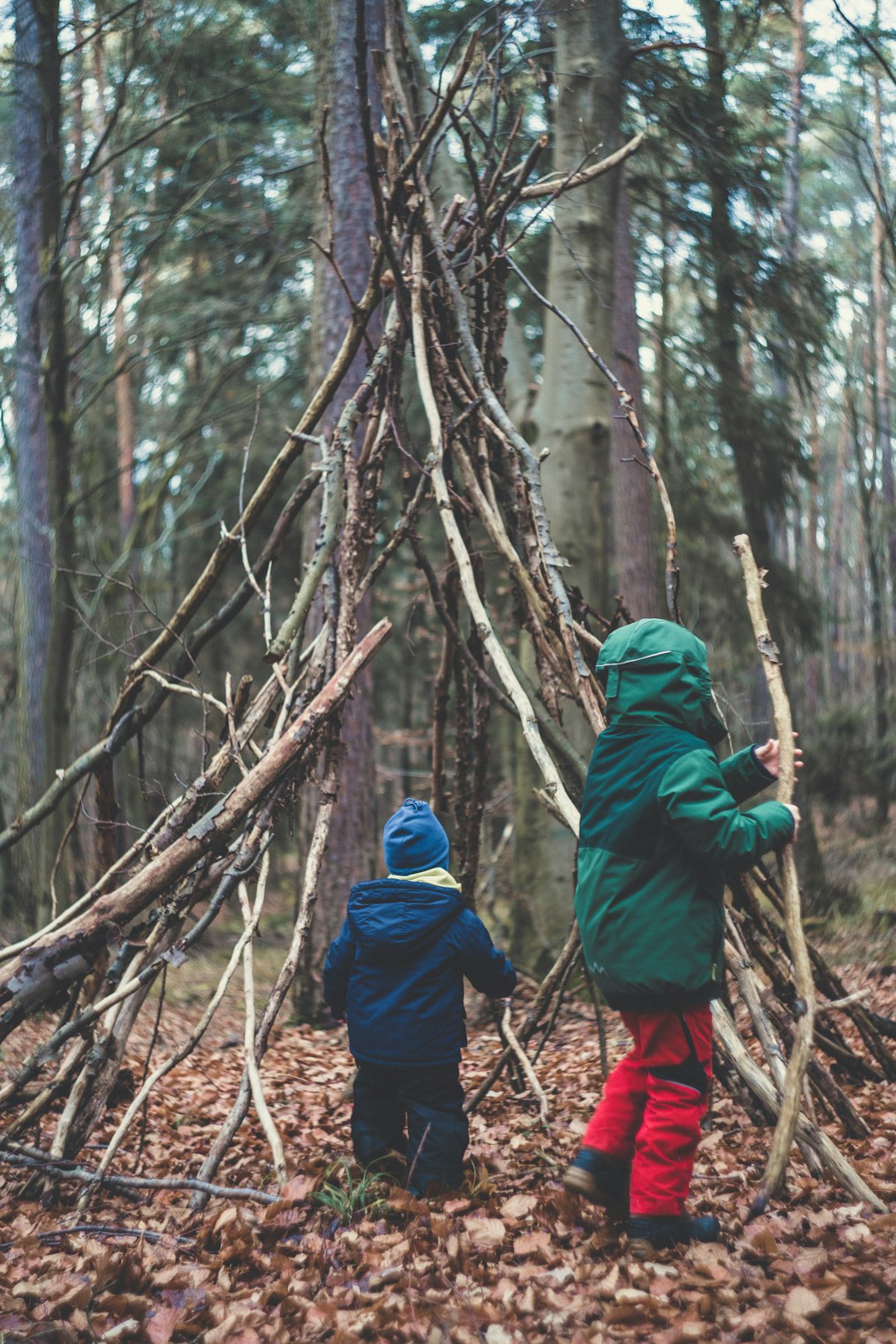
Camping has evolved over time, from a necessity for survival to a popular form of recreation. Here’s a quick timeline of camping’s history:
- Ancient Times: Early humans used caves and natural shelters for protection from the elements.
- 18th Century: Camping became popular in Europe as a way to escape the city and enjoy nature.
- 19th Century: The rise of the American West led to increased camping for exploration and resource extraction.
- Early 20th Century: Camping became more accessible with the invention of the tent and other gear.
- Mid-20th Century: The rise of the automobile made it easier to travel to remote camping areas.
- Late 20th Century: Camping became increasingly popular as a family activity.
- 21st Century: Camping continues to evolve, with new technologies and trends shaping the experience.
Planning Your Camping Trip: A Comprehensive Guide
Planning a camping trip is like assembling a delicious meal: each ingredient (step) contributes to the overall success. Here’s our comprehensive guide to help you plan your next adventure:
1. Choose Your Destination: Where to Camp in North America
- National Parks: These are a great choice for stunning scenery and diverse activities, but they can be crowded. Be sure to book reservations early!
- State Parks: State parks offer a more affordable and often less crowded alternative to national parks.
- Private Campgrounds: Private campgrounds can offer a variety of amenities, such as pools, playgrounds, and laundry facilities.
- Dispersed Camping: Dispersed camping is a great option for those who want to get away from it all. It’s free, but you need to be self-sufficient.
2. When to Go Camping: A Seasonal Guide to Outdoor Adventures
- Spring: Mild temperatures and blooming wildflowers make spring a great time to camp, but be prepared for unpredictable weather.
- Summer: Summer is peak season for camping, so expect crowds and higher prices. But the weather is usually warm and sunny.
- Fall: Fall offers stunning foliage and cooler temperatures, making it a great time to camp.
- Winter: Winter camping can be challenging but rewarding. Be sure to pack for cold weather and be prepared for snowy conditions.
3. Booking Your Campsite: Securing Your Spot in Paradise
- National Parks: Book your campsite through recreation.gov or the park’s website.
- State Parks: Book your campsite through the state park’s website or call the park office directly.
- Private Campgrounds: Book your campsite through the campground’s website or call the campground directly.
- Dispersed Camping: Dispersed camping is first-come, first-served. Arrive early to get the best spot.
4. Packing for Success: The Ultimate Camping Checklist
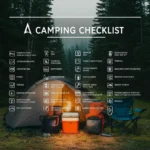
Packing for a camping trip is an art form. You need to bring everything you need, but not too much. Here’s a comprehensive checklist to help you pack for success:
- Shelter: Tent, tarp, sleeping bags, pillows, sleeping pads, ground cloth
- Cooking and Eating: Camp stove, fuel, pots, pans, utensils, plates, bowls, cups, mugs, cooking oil, spices, food, water
- Clothing: Warm and cold weather layers, rain gear, hat, gloves, socks, shoes, swimwear
- First Aid: First aid kit, sunscreen, insect repellent, hand sanitizer, medications
- Lighting: Headlamp, flashlight, batteries
- Tools: Knife, multi-tool, duct tape, rope, trash bags
- Other: Toiletries, bug spray, sunscreen, camp chairs, table, cooler, games, books, camera
5. Essential Gear: From Tents to Sleeping Bags and Everything In Between
- Tents: The right tent can make or break your camping trip. Consider size, weight, and features. We recommend checking out our Camping Gear Reviews for detailed reviews of popular tents.
- Sleeping Bags: A good sleeping bag will keep you warm and comfortable at night. Choose a bag with the right temperature rating for your climate.
- Sleeping Pads: A sleeping pad provides insulation and cushioning. Choose a pad with the right R-value for your climate.
- Camp Stoves: A camp stove is essential for cooking meals. Choose a stove that’s lightweight, compact, and easy to use.
6. Safety First: Tips for Staying Safe in the Wilderness
- Tell someone your plans: Let a friend or family member know where you’re going and when you expect to return.
- Be aware of your surroundings: Pay attention to wildlife and weather conditions.
- Carry a first aid kit: Be prepared to treat minor injuries.
- Stay hydrated: Drink plenty of water, especially in hot weather.
- Pack extra food and supplies: Be prepared for unexpected delays.
7. Leave No Trace: Respecting the Environment
- Pack it in, pack it out: Don’t leave any trash behind.
- Stay on designated trails: Avoid disturbing wildlife and sensitive ecosystems.
- Use a camp stove for cooking: Don’t build fires unless it’s absolutely necessary.
- Respect wildlife: Observe wildlife from a distance and don’t feed them.
8. Camping with Kids: Tips for a Family Adventure
- Choose a campground with amenities: Look for campgrounds with playgrounds, swimming pools, and other activities for kids.
- Pack age-appropriate activities: Bring games, books, and other activities to keep kids entertained.
- Be patient: Camping with kids can be challenging, but it’s also a great way to bond.
9. Camping with Pets: Bringing Your Furry Friend Along
- Check campground rules: Not all campgrounds allow pets.
- Pack for your pet: Bring food, water, bowls, leashes, beds, and other supplies.
- Keep your pet on a leash: Be sure to keep your pet under control at all times.
10. The Ultimate Camping Budget: How Much Does It Cost?
The cost of camping can vary widely depending on your destination, the type of camping you’re doing, and your gear. Here’s a general breakdown of camping costs:
- Campsite Fees: National parks, state parks, and private campgrounds all charge fees for campsites.
- Gear: You’ll need to invest in camping gear, such as a tent, sleeping bag, and camp stove.
- Food and Supplies: Plan on spending money on food, water, and other supplies.
- Transportation: Factor in the cost of gas and tolls.
We hope this guide helps you plan your next camping trip. Remember, the most important thing is to have fun and enjoy the great outdoors!
Conclusion

Planning a camping trip takes time, effort, and a bit of planning. But with our comprehensive guide, you’ll be well on your way to a successful and enjoyable adventure. We’ve covered everything from choosing the perfect destination to packing for success and respecting the environment. Now, go out there and explore!
Remember, the key to a successful camping trip is to be prepared. Pack everything you need, be aware of your surroundings, and follow the Leave No Trace principles. Most importantly, have fun and enjoy the great outdoors!
Recommended Links
👉 CHECK PRICE on:
- RECREATION.GOV: recreation.gov
- YOSEMITE NATIONAL PARK: nps.gov/yose
- YELLOWSTONE NATIONAL PARK: nps.gov/yell
- GRAND CANYON NATIONAL PARK: nps.gov/grca
- Coleman Camping Stove: Amazon | Walmart | Coleman Official Website
- MSR PocketRocket 2 Camping Stove: Amazon | REI | MSR Official Website
- REI Co-op Trail 40 Tent: REI | Amazon | REI Official Website
- Marmot Tungsten UL Sleeping Bag: Amazon | REI | Marmot Official Website
👉 Shop for Camping Books on: Amazon
FAQ

When should I start camping?
The best time to start camping depends on your personal preferences and the climate in your area. Many people enjoy camping during the summer months, but spring and fall can offer milder temperatures and fewer crowds. Winter camping can be challenging but rewarding.
What factors should I consider when choosing when to camp?
- Weather: Consider the average temperatures, rainfall, and snowfall in your area.
- Crowds: Peak season (summer) will be more crowded than shoulder seasons (spring and fall).
- Activities: Some activities, such as swimming and hiking, are best enjoyed during warmer weather. Other activities, such as snowshoeing and skiing, are best enjoyed during colder weather.
Read more about “🏕️ The Ultimate Camping Prep Checklist: 50 Must-Dos Before Your Next Trip …”
How many days is ideal for camping?
There’s no one-size-fits-all answer to this question. The ideal length of a camping trip depends on your personal preferences, your schedule, and your destination. Some people prefer short weekend trips, while others enjoy longer week-long trips.
What are the pros and cons of different trip lengths?
- Short Trips: Short trips are a great way to get a taste of camping without committing to a long trip. They’re also easier to plan and less expensive.
- Long Trips: Long trips allow you to explore more of the area and experience a wider range of activities. They can also be more relaxing and less rushed.
Read more about “How many days is ideal for camping?”
What is the number one rule of camping?
The number one rule of camping is Leave No Trace. This means packing out everything you pack in, staying on designated trails, respecting wildlife, and minimizing your impact on the environment.
Why is Leave No Trace so important?
Leave No Trace is important because it helps to protect the environment for future generations. By following these principles, we can help to keep our forests, lakes, and mountains clean and healthy.
Read more about “🏕️ The Ultimate Camping Checklist: 15 Must-Haves for an Epic Adventure …”
What is the best way to plan a camping trip?
The best way to plan a camping trip is to start early and be organized. Choose your destination, book your campsite, pack your gear, and make a list of everything you need.
What are some tips for planning a successful camping trip?
- Start early: Book your campsite and gather your gear early, especially during peak season.
- Be organized: Make a list of everything you need and pack it in a way that makes sense.
- Pack for the weather: Be prepared for a variety of weather conditions.
- Leave No Trace: Follow the Leave No Trace principles to minimize your impact on the environment.
Read more about “Camping Packing List: What to Pack for a Short Trip ✨ …”
Reference Links
- RECREATION.GOV: recreation.gov
- YOSEMITE NATIONAL PARK: nps.gov/yose
- YELLOWSTONE NATIONAL PARK: nps.gov/yell
- GRAND CANYON NATIONAL PARK: nps.gov/grca
- COLEMAN: coleman.com
- MSR: msrgear.com
- REI: rei.com
- MARMOT: marmot.com
- When (Exactly) is Camping Season (in North America)?: adventureincamping.com/blog/camping-season-in-north-america/#:~:text=In%20North%20America%2C%20camping%20season,on%20location%20and%20climate%20conditions.
- Leave No Trace: lnt.org