Support our educational content for free when you purchase through links on our site. Learn more
🏕️ 50 Essential Camping Items: The Ultimate Packing List (2026)

Ever arrived at a pristine campsite only to realize you forgot the one thing that keeps the mosquitoes at bay, or worse, the fire starter when the rain begins to pour? We have, and let’s just say the resulting “campfire” was more of a damp, sad pile of kindling that smelled like regret. At Camping Checklist™, we believe that the difference between a magical night under the stars and a shivering, hungry disaster often comes down to one thing: what you pack.
Whether you are a first-time car camper dreaming of s’mores or a seasoned backpacker counting every ounce, the question remains: What are the essential items to pack for a camping trip? We’ve spent over a decade testing gear in scorching deserts, freezing alpine peaks, and sogy rainforests to bring you this definitive guide. From the “Ten Essentials” that keep you alive to the comfort items that make you feel like royalty, we cover it all. In fact, did you know that 90% of camping complaints stem from poor preparation or missing basic gear? We’ve compiled a massive 50-item checklist to ensure you never fall into that statistic.
Ready to stop guessing and start exploring? Keep reading to discover the exact gear we trust, the common mistakes that ruin trips, and our secret tips for packing like a pro.
Key Takeaways
- The “Ten Essentials” are non-negotiable: Always pack navigation, headlamp, sun protection, first aid, knife, fire starters, shelter, extra food, extra water, and extra clothes to ensure safety in the wild.
- Tailor your list to your trip type: Car camping allows for luxury items like cots and large coolers, while backpacking demands ultralight gear and multi-functional tools to save weight.
- Layering is critical for comfort: Avoid cotton at all costs; instead, use moisture-wicking base layers, insulating mid-layers, and waterproof outer shells to adapt to changing weather.
- Preparation prevents panic: Test your tent, stove, and headlamp at home before you leave to avoid frustrating surprises in the dark.
- Leave No Trace: Pack out everything you bring in, respect wildlife, and minimize your impact to keep our wilderness beautiful for future generations.
Table of Contents
- ⚡️ Quick Tips and Facts
- 🏕️ The Great Outdoors: A Brief History of Camping Essentials
- 🎒 The Ultimate 50-Item Camping Packing Checklist: Gear Up for Adventure
- 1. Shelter and Sleep Systems: Your Home Away from Home
- 2. Cooking and Dining: Fueling Your Wilderness Feast
- 3. Clothing and Footwear: Dressing for the Elements
- 4. Lighting and Navigation: Finding Your Way in the Dark
- 5. First Aid and Safety: Staying Safe in the Wild
- 6. Hygiene and Sanitation: Keeping Clean in the Backcountry
- 7. Tools and Repair Kits: The MacGyver Essentials
- 8. Entertainment and Comfort: Making Memories Under the Stars
- 9. Car Camping vs. Backpacking: Tailoring Your Loadout
- 10. Seasonal Packing: Adapting to Summer Heat and Winter Chill
- 🚫 Common Packing Mistakes to Avoid: Don’t Be That Camper
- 🧠 Pro Insights: What We Learned from 10+ Nights Under the Stars
- 📋 Printable Camping Checklist Template
- 🏆 Top Brand Recommendations: Gear We Actually Trust
- 🔗 Recommended Links
- ❓ Frequently Asked Questions (FAQ)
- 📚 Reference Links
- 🏁 Conclusion
⚡️ Quick Tips and Facts
Welcome, fellow adventurers, to Camping Checklist™! We’re your go-to experts for all things outdoors, and today
, we’re diving deep into the age-old question that sparks every great journey: What are the essential items to pack for a camping trip? Whether you’re a seasoned backcountry pro or a curious newcomer, forgetting a crucial
piece of gear can turn a dream trip into a damp squib. Trust us, we’ve learned the hard way!
Did you know that a well-prepared camping trip significantly reduces your environmental impact and enhances safety? It’s true! Packing smart means less waste and more peace of mind. For a deeper dive into getting ready, check out our comprehensive Camping Preparation Guide.
Here are some rapid-fire insights to kick things off:
| Tip Category | ✅ Do This!
The Ultimate Guide to Essential Camping Gear: Your
Ticket to an Unforgettable Adventure! 🏕️
Ah, the scent of pine, the crackle of a campfire, the vast, starry canvas above… there’s nothing quite like a camping trip to reconnect with nature and ourselves. But before
you can truly embrace the wild, you need to make sure you’re packed for success! Here at Camping Checklist™, we’ve spent countless nights under the stars, from the serene whispers of ancient forests to the rugged grandeur of mountain peaks
. We’ve learned what works, what doesn’t, and what you absolutely, positively cannot leave behind.
This isn’t just a list; it’s your personal roadmap to a flawless outdoor experience, brimming with our
team’s hard-won wisdom, consumer insights, and a dash of wit. So, grab your favorite mug of trail coffee, settle in, and let’s talk gear! What are the essential items to pack for a camping trip? Let
‘s find out! For more general tips, be sure to visit our article on What is a must have for camping?.
⚡️ Quick Tips and Facts
Planning your next outdoor adventure? Don’t just throw things in a bag! A little foresight goes a long way in ensuring your camping trip
is memorable for all the right reasons. Here are some quick, actionable tips and fascinating facts to get your gears turning:
- Layer Up, Buttercup! 🧥 The weather in the wilderness can be as unpredictable as a squirrel
with a nut. Always pack layers – a base layer, an insulating layer, and a waterproof/windproof outer shell. This allows you to adapt to fluctuating temperatures and sudden downpours without missing a beat. - Water
is Life! 💧 Dehydration is no joke. Always carry more water than you think you’ll need, or have a reliable water purification system. A good rule of thumb is at least 1 liter per person for every 2-
3 hours of activity. - Light the Way! 🔦 Darkness descends quickly in the backcountry. A reliable headlamp or flashlight is non-negotiable. And always, always pack extra
batteries! - First Aid First! 🩹 Accidents happen, even to the most careful campers. A comprehensive first aid kit is your best friend in an emergency. Know how to use it!
- Leave No Trace!
♻️ This isn’t just a suggestion; it’s a fundamental principle of responsible camping. Pack out everything you pack in, minimize campfire impacts, and respect wildlife. Your wilderness playground depends on it! - Check the Forecast (and then pack for worse)! ⛈️ While technology helps, mountain weather can change in minutes. Always assume conditions could be harsher than predicted.
- Practice Makes Perfect!
🛠️ Setting up your tent in your backyard before your trip can save you a lot of frustration (and potential arguments!) at the campsite. Trust us on this one.
🏕️ The Great Outdoors: A Brief History of Camping Essentials

Before the days of ultralight tents and portable espresso makers, what did our ancestors consider essential camping gear
? Well, the concept of “camping” has evolved dramatically! For millennia, humans lived intimately with nature, their “camping essentials” being the very tools for survival: fire-starting implements, basic shelters woven from natural materials, hunting tools, and knowledge
of edible plants. It wasn’t recreation; it was life.
Fast forward to the 19th century, and camping began to emerge as a leisure activity, particularly among the wealthy. Early campers might have brought heavy canvas tents, cast
-iron cookware, and even elaborate furniture! Think less “roughing it” and more “outdoor glamping” by today’s standards. The focus was on comfort, albeit with considerable effort to transport all the gear.
The early
20th century saw the rise of organizations like the Boy Scouts and Girl Scouts, which popularized camping as a way to teach self-reliance and outdoor skills. This era brought about more practical, if still bulky, gear. Cotton tents
, wool blankets, and basic cooking pots were the norm. The emphasis shifted towards functionality and durability.
Then came the mid-20th century, a true revolution! The advent of synthetic materials like nylon and Gore-Tex, coupled
with innovations in aluminum alloys, transformed camping gear. Tents became lighter and more weather-resistant, sleeping bags offered incredible warmth-to-weight ratios, and backpacking became a truly accessible pursuit. This is when the idea of lightweight camping
gear and backpacking essentials really took hold.
Today, we stand on the shoulders of these innovations. Our camping checklist benefits from decades of refinement, making outdoor adventures more comfortable, safer, and more enjoyable than ever before.
But one thing remains constant: the thrill of stepping away from the everyday and embracing the wild.
🎒 The Ultimate 50-Item Camping Packing Checklist: Gear Up for Adventure
Alright, intrepid explorers, this is where the rubber meets the road – or, more accurately, where your gear meets your backpack! We’ve
meticulously crafted this ultimate camping packing checklist based on years of personal experience, countless nights under the stars, and invaluable insights from the “Camping Checklist™” community. This list is designed to cover almost every scenario, from a casual car
camping weekend to a more ambitious backpacking expedition. Remember, while we’ve aimed for comprehensive, always tailor your specific loadout to your trip’s duration, location, and expected weather.
“Each time I go camping or on vacation,
I always forget at least one thing. So I’ve learned to enjoy the ride and not sweat the details too much when it comes to packing for a road trip,” says the author of “Must have packing list for cabin camping – Our
Family Reviews”. While we agree with the sentiment of enjoying the ride, our goal is to minimize those “oops, forgot that!” moments!
Let’s get you geared up for adventure!
<
a id=”1-shelter-and-sleep-systems-your-home-away-from-home”>
1. Shelter and Sleep Systems: Your Home Away from Home
Your shelter is your sanctuary in the wild,
protecting you from the elements and providing a cozy spot to recharge. Don’t skimp on these outdoor essentials!
- Tent: Your primary shelter. The “first YouTube video” we’ve embedded in this
article emphasizes that a tent is “essential for shelter, whether it’s a larger car camping tent or a lighter backpacking tent”. For car camping, a spacious family tent like the Coleman Sundome 6
-Person Tent offers ample room and easy setup. For backpacking, consider ultralight options like the Big Agnes Copper Spur HV UL2.
- Design: 8/10 (Coleman) | 9/1
0 (Big Agnes) - Functionality: 8/10 (Coleman) | 9.5/10 (Big Agnes)
- Durability: 7/10 (Coleman)
| 8.5/10 (Big Agnes) - Ease of Setup: 9/10 (Coleman) | 8/10 (Big Agnes)
- Our Take: The Coleman is
a fantastic entry-level tent for families, offering great value. The Big Agnes is a premium, lightweight choice for serious backpackers where every ounce counts. - 👉 CHECK PRICE on:
- Coleman Sundome
6-Person Tent: Amazon | Walmart | Coleman Official Website - Big Agnes Copper Spur HV UL2: Amazon | REI | Big Agnes Official Website
- Tent Footprint/Ground Tarp: An optional but highly recommended addition for extra protection
against abrasion and moisture. The “first YouTube video” also suggests a “tarp or ground cloth (also called a footprint) for extra protection”. A simple blue tarp works, or a custom-fit
footprint for your tent. - Sleeping Bag: Your cozy cocoon for a good night’s sleep. The temperature rating is crucial! We love the Marmot Trestles 15 for its versatility and warmth-
to-value. For ultralight options, the REI Co-op Magma 15 is a dream.
- 👉 CHECK PRICE on:
- Marmot Trestles 1
5: Amazon | REI | Marmot Official Website - REI Co-op Magma 15: REI | REI Co-op Official Website
Sleeping Pad: Crucial for insulation from the cold ground and comfort. The “first YouTube video” highlights its importance, stating it’s “placed between your sleeping bag and the ground for insulation and comfort”. We
swear by the Therm-a-Rest NeoAir XLite for backpacking and the REI Co-op Camp Bed Self-Inflating Sleeping Pad for car camping.
5. Pillow: A small luxury
that makes a huge difference. An inflatable camping pillow like the Sea to Summit Aeros Premium Pillow is excellent. Alternatively, as the “first YouTube video” suggests, “a sweater can be used in a pinch”!
6. Camping Cot (for car camping): If you prefer to be off the ground, a sturdy cot like the Coleman ComfortSmart Cot is a game-changer.
7. Air
Mattress & Pump (for car camping): For ultimate comfort, an air mattress like the SoundAsleep Dream Series Air Mattress with a built-in pump can rival your bed at home.
8. Repair Kit for
Tent/Pad: Small tears happen. A Tear-Aid Fabric Repair Kit is a lifesaver.
2. Cooking and Dining: Fueling Your Wilderness Feast
Food just tastes better outdoors, doesn’t it? But you need the right tools to whip up those delicious camp cooking meals.
- Camp Stove
& Fuel: For reliable cooking. The “first YouTube video” offers “choose your own adventure” options, recommending a “backpacking stove (like an MSR Whisperlite International), and fuel” for backpacking, and a “larger double
-burner camp stove” for car camping. We adore the Jetboil Flash Cooking System for fast backpacking meals and the Camp Chef Everest 2X Stove for car camping feasts.
CHECK PRICE on:**
-
Jetboil Flash Cooking System: Amazon | REI | Jetboil Official Website
-
Camp Chef Everest 2X Stove: Amazon |
Walmart | Camp Chef Official Website
-
Cookware (Pot, Pan): A durable set like the GSI Outdoors Bugaboo Camper is excellent for families. For minimalists, a single titanium pot from To
aks is perfect. -
Mess Kit (Plate/Bowl, Utensils, Mug): The “first YouTube video” lists a “plate or bowl, spoon, fork, and a cup or mug” as part
of a mess kit. We recommend durable, reusable options like the MSR Alpine Plate and Sea to Summit Alpha Light Spork. -
Cooler & Ice/Ice Packs: Essential for keeping
food fresh. The YETI Tundra 45 is legendary for its ice retention, but for a more budget-friendly option, the Coleman Xtreme 50-Quart Cooler is fantastic.
1 -
Water Bottles/Hydration Reservoir: The “first YouTube video” stresses the importance of “at least one water bottle (e.g., a 20oz one)”. We always carry Nalg
ene Wide Mouth Bottles and a CamelBak Hydration Reservoir for hiking. -
Water Filter/Purifier: If you’re sourcing water from natural bodies, a filter like the Sawyer Squeeze Water
Filter or Katadyn BeFree Water Filter is critical. Learn more about staying hydrated on our Camping Food and Nutrition page. -
Dish Soap (biodegradable) & Sponge/Scrubber: The “first YouTube video” mentions “dishwashing supplies (if staying longer): A washcloth or scrubber, dish soap (biodegradable may be required), and
a towel for drying”. We always opt for Dr. Bronner’s Pure-Castile Soap. -
Dish Towel: For drying your cookware and dishes.
-
Trash
Bags: Pack it in, pack it out! Biodegradable trash bags are a bonus. -
Food (non-perishable & perishable): Plan your meals! “Our Family Reviews” suggests “Food, Drinks, and
Snacks” including “Breakfast & Grilling” items like “Eggs, cheese, bacon, sausage, brats, buns, mustard, sour kraut, bread, and butter”. Don’t forget those s
‘mores fixings! -
Can/Bottle Opener & Corkscrew: Often overlooked, but crucial for beverages. A Victorinox Swiss Army Knife usually has these.
-
Cutting Board & Knife: A
small, lightweight cutting board and a sharp knife (like the Mora Companion Fixed Blade Knife) are incredibly useful. -
Spatula/Cooking Spoon: The “first YouTube video” wisely advises, “Make sure that you bring
like a spatula or like a wooden spoon or something to cook with, because that’s something that gets forgotten really frequently”. -
Aluminum Foil (heavy-duty): For campfire cooking and wrapping
leftovers. -
Ziplock Bags/Food Storage Containers: For organization and keeping food fresh.
-
Coffee/Tea Supplies: A Stanley Pour Over Coffee Maker or a simple French press can
elevate your mornings. “Our Family Reviews” specifically mentions “coffee (with a coffee press)”. -
Camp Table & Chairs (for car camping): The REI Co-op Camp
Table and Helinox Chair Zero (for backpacking) or REI Co-op Camp Chair (for car camping) make dining much more comfortable. -
Firewood & Fire Starters: If camp
fires are allowed and you plan to have one. “Our Family Reviews” lists “Firewood, newspaper, kindling, lighters, fire starters, charcoal for BBQ, lighter fluid, and a grate for fire cooking”. -
Roasting Sticks: For marshmallows, hot dogs, and more!
-
Cast Iron Skillet/Dutch Oven: For gourmet campfire cooking, a Lodge Cast Iron Skillet is indispensable
. “Our Family Reviews” also recommends a “Cast iron pot, skillet”.
3. Clothing
and Footwear: Dressing for the Elements
The right clothing can make or break your trip. Prioritize layers and quick-drying fabrics.
- Moisture-Wicking Base Layers: Merino wool or synthetic fabrics (e.g., Smartwool Merino 250 Base Layer) are key to staying dry and warm.
- Insulating Mid-Layer: A fleece jacket (like the Patagonia Better Sweater Fleece Jacket) or a
puffy jacket (e.g., Arc’teryx Atom LT Hoody) for warmth. - Waterproof/Windproof Outer Shell (Rain Jacket & Pants): The “first YouTube video” highlights a “rain jacket” as
a “standout item, important even if rain isn’t forecast, as it doubles as a windbreaker”. We swear by the Marmot PreCip Eco Jacket and matching pants.
3 - Hiking Boots/Shoes: Comfortable, broken-in, and waterproof boots like the Merrell Moab 3 Mid Waterproof Hiking Boots are essential.
- Camp Shoes/Sandals: Something comfortable to wear
around camp, like Crocs Classic Clogs or Teva Hurricane XLT2 Sandals. “Our Family Reviews” lists “Boots, shoes, and flip-flops”. - **
Socks (wool or synthetic):** Avoid cotton! Darn Tough Hiker Micro Crew Cushion Socks are our absolute favorite. - Underwear: Moisture-wicking options are best.
- Hiking
Pants/Shorts: Durable, quick-drying options like Prana Stretch Zion Pants. - T-shirts (quick-drying): Again, avoid cotton for active wear.
- Hat (sun protection): A wide-brimmed hat like the Outdoor Research Sun Runner Cap. “Our Family Reviews” includes “hats” in their clothing list.
- Warm Hat/Be
anie: For chilly evenings (e.g., Carhartt Acrylic Watch Hat). - Gloves: Lightweight gloves for warmth, or work gloves for handling firewood.
4. Lighting and Navigation: Finding Your Way in the Dark
When the sun sets, these items become your eyes and your guide.
4
- Headlamp & Extra Batteries: The “first YouTube video” states a headlamp “provides hands-free illumination, which is ‘extremely useful’ when moving around camp or performing tasks in the dark”. We always pack a Black Diamond Spot 400 Headlamp.
- Flashlight/Lantern: A backup light source or for ambient camp lighting. The Goal Zero Lighthouse 600 Lantern is versatile
. “Our Family Reviews” lists “Lanterns (with fuel, mantles, and wicks) and flashlights/headlights”. - Map & Compass: Even with GPS, a physical
map (e.g., National Geographic Trails Illustrated Maps) and compass (like the Suunto M-3 D Leader Compass) are crucial for wilderness survival and navigation, especially for backpacking gear basics. The “first YouTube video
” notes these are “especially important for backcountry or hiking trips to aid navigation and prevent getting lost”. - GPS Device/Smartphone with Offline Maps: Apps like Gaia GPS or All
Trails are invaluable, but ensure you download maps for offline use. Check out our Camping and Hiking Apps for more recommendations.
45
. Power Bank: To keep your electronics charged. The Anker PowerCore 20000 Portable Charger is a reliable choice.
5. First Aid and Safety: Staying Safe in the Wild
Your well-being is paramount. Don’t leave home without these emergency preparedness items.
46
. First Aid Kit: A non-negotiable! The “first YouTube video” calls it “crucial for safety, whether it’s a pre-made kit or one you assemble yourself”. We
recommend a comprehensive kit like the Adventure Medical Kits Mountain Series Hiker Medical Kit.
47. Sunscreen: Protect your skin from harmful UV rays. “Our Family Reviews” also lists “sunscreen”.
48. Insect Repellent: Keep those pesky bugs at bay. Sawyer Products Picaridin Insect Repellent is highly effective. “The first YouTube video” mentions “bug spray solution is usually a good
idea to keep insects away”. “Our Family Reviews” also includes “Bug spray, essential oils”.
49. Whistle: For signaling in an emergency. Many backpacks
have one built into the sternum strap.
50. Bear Canister/Bag (if in bear country): Crucial for food storage. The BearVault BV500 is a popular choice.
51.
Multi-tool/Pocket Knife: The “first YouTube video” states, “Some sort of pocket knife or multi-tool is really important to take”. The Leatherman Wave+ Multi-tool is
incredibly versatile. “Our Family Reviews” lists a “Pocket knife or multi-purpose tool”.
52. Fire Extinguisher (for car camping/RV): A small one for campfire safety.
- Emergency Shelter/Bivy: A lightweight option like the SOL Emergency Bivy for unexpected situations.
6. Hygiene and Sanitation: Keeping Clean in the Backcountry
Staying clean and practicing good hygiene is vital for health and comfort in the outdoors.
-
Toilet Paper & Trowel: The ”
first YouTube video” advises to “Bring a roll, preferably stored in a sealed plastic bag. Pro-tip: ‘You can typically hide a little thing of hand sanitizer inside the roll of your toilet paper so that they’re always there together'”
. A lightweight trowel like the Deuce of Spades is essential for burying human waste properly. -
Hand Sanitizer: Always have it readily available.
-
Tooth
brush & Toothpaste: Basic personal hygiene is important. “Our Family Reviews” lists “toothbrush”. -
Biodegradable Soap: For washing hands, dishes, and even yourself (away from water sources).
-
Small Towel (quick-drying): A microfiber towel like the PackTowl Personal Towel. “Our Family Reviews” lists “towels”.
-
**
Personal Medications:** Any prescription medications you need. -
Feminine Hygiene Products: Pack what you need.
-
Lip Balm with SPF: Protect your lips from sun and wind.
7. Tools and Repair Kits: The MacGyver Essentials
Be prepared for minor repairs and unexpected situations.
- Duct
Tape: The ultimate fix-all! Wrap some around your water bottle or trekking pole to save space. “Our Family Reviews” lists “Duct tape and tools”. - Cordage/
Rope: For clotheslines, securing gear, or emergency repairs. Paracord is incredibly versatile. - Small Shovel/Trowel: Beyond bathroom duties, useful for digging fire pits (where allowed) or leveling
a tent site. “Our Family Reviews” lists a “Small metal shovel”. - Fire Starter (Ferro Rod/Lighter): A reliable backup to matches. The “first YouTube
video” emphasizes, “You need some sort of matches or a lighter… to start your fire or your stove”. We always carry a Light My Fire Swedish FireSteel 2.0.
Knife Sharpener: A small one like the Lansky BladeMedic can keep your blade ready.
67. Tent Pole Repair Sleeve: For those inevitable snapped poles.
8. Entertainment and Comfort: Making Memories Under the Stars
Camping isn’t just about survival; it’s about enjoyment!
- Book/
E-reader: For downtime around camp. - Journal & Pen: To capture your thoughts and memories.
- Camera: To document your adventures (e.g., GoPro Hero 11).
- Binoculars: For wildlife viewing.
- Camp Games: A deck of cards, a travel-sized board game, or a frisbee. “Our Family Reviews” lists “Bochi
-ball, frisbee, drone, guitar with music, fishing gear with a bucket, and scissors”. - Portable Speaker: For some tunes around the campfire (respect your neighbors!). The **
JBL Flip 6** is rugged and sounds great. - Headphones: For personal listening.
- Camp Lantern (ambient): For a cozy glow.
- Hammock:
For ultimate relaxation (e.g., ENO DoubleNest Hammock). - Star Chart/Astronomy App: For stargazing.
9. Car Camping vs. Backpacking: Tailoring Your Loadout
Now, you might be thinking, “Fifty items? Do I really need all that?” And the answer, dear
camper, is: it depends! The beauty of camping is its versatility, and your gear list should reflect the type of adventure you’re embarking on.
Car Camping: The Comfort Zone 🚗
When you’re car
camping, your vehicle is your trusty steed, carrying the bulk of your gear. This means you can afford to bring those luxurious extras that make camp life truly delightful. Think bigger tents, thicker sleeping pads, full-sized coolers, and even a
portable coffee maker. The emphasis here is on camp comfort and convenience. You’re not limited by weight or pack space, so bring that extra camp chair, the Dutch oven, and maybe even a portable projector for outdoor movie nights! ”
Our Family Reviews” focuses on a “Must have packing list for cabin camping” but many of their suggestions, like a “rice cooker (noted to ‘double as a fast acting crock pot’)”, are perfect for car
camping where power is available or easily generated.
Backpacking: The Minimalist’s Mantra 🚶 ♂️
Backpacking, on the other hand, is a different beast entirely. Every ounce counts, and every item must justify
its place in your pack. Here, the focus shifts to ultralight camping gear and backpacking essentials. You’ll be looking for lightweight tents, compact sleeping bags, dehydrated meals, and multi-functional tools. We
‘ve often found ourselves debating whether to bring that extra pair of socks or save the weight for an extra energy bar! This is where items like the MSR Whisperlite International stove, mentioned in the “first YouTube video”, truly shine. Our internal category, Backpacking Gear Basics, offers even more specialized advice.
The Key Takeaway: Always consider
your mode of transport, the distance you’ll be covering, and the available amenities when compiling your final camping checklist. Don’t be afraid to pare down for the backcountry or load up for a leisurely car camp!
10. Seasonal Packing: Adapting to Summer Heat and Winter Chill
Just as important as *how
- you’re camping is when you’re camping. The season dictates a significant portion of your outdoor essentials.
Summer Camping: Embrace the Heat (and the Bugs!) ☀️
Summer camping often means warmer
temperatures, longer daylight hours, and unfortunately, more bugs! Your camping gear priorities will shift:
- Lighter Sleeping Bag: A 30-40°F (0-5°C) rated bag
or even just a sleeping bag liner might suffice. - Breathable Clothing: Think lightweight, moisture-wicking fabrics. Sun-protective clothing is a must.
- Increased Hydration: More water bottles, perhaps
a larger hydration reservoir, and electrolytes. - Serious Bug Protection: Stronger insect repellent, head nets, and even a bug shelter for camp.
- Sun Protection Overload: Hats, sunglasses, and plenty of sunscreen are
non-negotiable. The “first YouTube video” reminds us that “Sunscreen, a hat, and sunglasses are vital to protect against the sun, regardless of the time of year”.
Winter Camping:
Conquering the Cold ❄️
Winter camping is a whole different beast, demanding meticulous planning and specialized winter camping gear. It’s incredibly rewarding but requires respect for the elements.
- Warmest Sleeping Bag: A
0°F (-18°C) or even -20°F (-29°C) rated bag is essential, often paired with a sleeping bag liner for extra warmth. - Extreme Layers: Heavy-
duty base layers, multiple insulating layers (down jacket, fleece), and a waterproof/windproof outer shell are critical. - Insulated Sleeping Pad: Crucial for preventing heat loss to the frozen ground. An R-value of
4 or higher is recommended. - Four-Season Tent: Designed to withstand heavy snow loads and strong winds.
- Snowshoes/Skis: If you’re venturing into deep snow.
- Aval
anche Safety Gear: If you’re in avalanche terrain (beacon, shovel, probe). - More Fuel: Your stove will burn through fuel faster in cold temperatures.
- Hand/Foot Warmers: Small luxuries that make
a big difference.
Spring/Fall Camping: The Best (and Most Challenging) of Both Worlds 🍂🌷
These shoulder seasons can offer some of the most beautiful camping experiences, but they’re also the most unpredictable. You might
start your day in sunshine and end it in a snow flurry!
- Versatile Layers: The ability to add or shed layers quickly is paramount.
- Waterproof Everything: Rain is a common companion in spring and
fall. Ensure your tent, rain gear, and pack cover are in top shape. - Mid-Range Sleeping Bag: A 15-20°F (-9 to -7°C) bag is often a good
compromise.
Always check the specific forecast for your destination and pack accordingly. When in doubt, err on the side of caution and bring an extra warm layer – you can always take it off, but you can’t conjure warmth out of thin air!
🚫 Common Packing Mistakes to Avoid: Don’t Be That Camper
We’ve all been
there. That moment when you realize you’ve made a crucial packing blunder. It’s usually followed by a sigh, a chuckle, and a vow to do better next time. But why wait for “next time”? Let’s learn
from our (and others’)!) mistakes and ensure your next trip is smooth sailing.
- ❌ Forgetting Fire Starters (or a backup!): Picture this: you’ve gathered the perfect kindling, the logs
are stacked just so, and you reach for… nothing. Or worse, wet matches! We once spent an hour trying to start a fire with a magnifying glass and a lot of hope. It was character-building, but not ideal. **
✅ Always pack multiple, waterproof fire starters.** A lighter, waterproof matches, and a ferro rod are a solid trio. The “first YouTube video” explicitly states, “You need some sort of matches or a lighter… to start your fire or your stove
“. - ❌ Packing Too Much Cotton: Oh, cotton. So comfy around the house, so terrible in the backcountry. Cotton absorbs moisture and holds it, making you cold when wet and taking ages
to dry. This is a recipe for hypothermia in cool weather. ✅ Opt for wool or synthetic fabrics for all your clothing layers. This is a fundamental rule of outdoor adventure clothing. - ❌ Neglecting a
First Aid Kit: “It won’t happen to me!” is a dangerous thought in the wilderness. A small cut can become a big problem without proper care. ✅ Always carry a well-stocked first aid kit and know how to use its contents
. The “first YouTube video” emphasizes this as “crucial for safety”. - ❌ Underestimating Water Needs: Dehydration can quickly turn a fun hike into an emergency. Relying solely on a
single water bottle with no purification plan is risky. ✅ Bring ample water or a reliable water filter/purifier. Plan for at least 1 liter per person every 2-3 hours of activity. - ❌ Not Testing
Your Gear Beforehand: Ever tried to set up a new tent for the first time in the dark, in the rain? It’s not fun. Or discovering your stove is out of fuel? Even less fun. ✅ Set up your tent,
test your stove, and check your headlamp batteries at home before you leave. This simple step saves immense frustration. - ❌ Ignoring the Weather Forecast (or only checking once): Mountain weather is notoriously fickle. A sunny morning
can turn into a torrential downpour by afternoon. ✅ Check the forecast regularly leading up to your trip, and always pack for conditions worse than predicted. A good rain jacket, as highlighted in the “first YouTube video,” is “important even if rain
isn’t forecast, as it doubles as a windbreaker”. - ❌ Forgetting a Multi-tool/Knife: From opening stubborn food packaging to making minor repairs, a good multi-tool is invaluable
. “Some sort of pocket knife or multi-tool is really important to take,” according to the “first YouTube video”. ✅ Always have a reliable multi-tool or pocket knife handy.
🧠 Pro Insights: What We Learned from 10+ Nights Under the Stars
After hundreds of sunrises over misty
lakes and countless evenings serenaded by crickets, we, the team at Camping Checklist™, have accumulated a treasure trove of insights. These aren’t just tips; they’re the nuggets of wisdom gleaned from experience, sometimes through trial by
fire (literally, when we forgot fire starters!).
One of our most profound realizations? The wilderness has a way of simplifying things. You quickly learn what you truly need and what’s just clutter. We remember one particularly ambitious trip
where we packed a portable espresso machine. While the coffee was divine, the weight and bulk were a constant reminder that sometimes, a simple pour-over or instant coffee is all you need, and all you want, when every step counts. It
taught us the true value of minimalist camping gear when backpacking.
Then there was the time our trusty old tent zipper decided to give up the ghost during a sudden downpour. We were soaked, frustrated, and questioning all our life choices.
But thanks to a roll of duct tape (our unsung hero!), we managed a makeshift repair that got us through the night. That experience solidified our belief that a small repair kit, even just some duct tape and cordage, is as
essential as your sleeping bag. It’s the difference between a minor inconvenience and a ruined trip.
We’ve also learned the immense power of a good night’s sleep. There’s a reason we dedicate so much to
shelter and sleep systems. Trying to enjoy a strenuous hike after a restless night on cold, hard ground is like trying to enjoy a gourmet meal with a blocked nose – you’re missing half the experience! Investing in a quality sleeping pad and bag
isn’t a luxury; it’s an investment in your energy, your mood, and your overall enjoyment of the outdoors.
And finally, the most important insight of all: Embrace the unexpected. No matter how meticulously you plan
, nature will always throw a curveball. A sudden change in weather, a forgotten item, a trail detour – these are all part of the adventure. As the “Our Family Reviews” author wisely puts it, “I’ve learned to enjoy
the ride and not sweat the details too much when it comes to packing for a road trip”. While we advocate for thorough preparation, a flexible mindset and a sense of humor are perhaps the most essential items you can pack.
The best stories often come from the moments when things didn’t go exactly to plan!
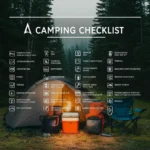
📋 Printable Camping Checklist Template
To make your packing process as smooth as a
freshly paved trail, we’ve designed a comprehensive, printable camping checklist template. This template organizes all the essential items into logical categories, allowing you to easily check off what you have, note what you need, and customize it for different types
of trips. It includes sections for shelter, cooking, clothing, safety, hygiene, and personal items, ensuring you don’t overlook anything critical. The template also features space for notes, helping you remember specific items or adjustments for future adventures
. Think of it as your personal packing assistant, designed by campers, for campers!
🏆 Top Brand Recommendations: Gear We Actually
Trust
Over the years, our team at Camping Checklist™ has put countless pieces of gear through their paces, from scorching deserts to freezing mountain peaks. We’ve seen what stands up to the rigors of the outdoors and what folds under pressure (sometimes literally!). Here are some of the brands that consistently earn our trust and our enthusiastic recommendation for their commitment to quality, innovation, and durability.
- MSR (Mountain Safety Research): A titan in outdoor gear, M
SR consistently delivers high-performance stoves, tents, and water filters. Their MSR Whisperlite International Stove is a legendary piece of backpacking gear that has fueled countless adventures. - Design: 9
/10 - Functionality: 9.5/10
- Durability: 9/10
- Innovation: 8.5/10
Our Take: If you need a bombproof stove that performs in any condition, MSR is your go-to. Their water filters are also top-notch.
-
👉 Shop MSR on: Amazon | REI | MSR Official Website
-
REI Co-op: Not just a retailer, but a brand that produces excellent, reliable gear under its own label. Their REI Co-op Mag
ma 15 Sleeping Bag is a fantastic example of high-quality, lightweight comfort, and their REI Co-op Camp Bed Self-Inflating Sleeping Pad offers superb value for car campers. -
Design:
8.5/10 -
Functionality: 9/10
-
Durability: 8.5/10
-
Value: 9.5/10
-
Our Take: REI Co-op gear consistently offers a sweet spot between performance and affordability, making it perfect for both beginners and experienced campers.
-
👉 Shop REI Co-op on: REI | REI Co-op Official Website
-
Pat
agonia: Synonymous with ethical manufacturing and exceptional outdoor apparel. Their Patagonia Better Sweater Fleece Jacket is a staple for warmth and comfort, while their technical shells are second to none for battling the elements. -
Design: 9
/10 -
Functionality: 9/10
-
Durability: 9.5/10
-
Sustainability: 10/10
Our Take: Patagonia gear is an investment that pays dividends in performance and longevity, all while supporting a company committed to environmental responsibility.
-
👉 Shop Patagonia on: Amazon | REI | Patagonia Official Website
-
Osprey: When it comes to carrying your gear comfortably, Osprey reigns supreme. Their backpacks
, from daypacks to multi-day expedition packs, are renowned for their innovative suspension systems and ergonomic designs. The Osprey Atmos AG 65 Backpack (men’s) and Aura AG 65 Backpack (women’s) are legendary for their comfort. -
Design: 9.5/10
-
Functionality: 10/10
-
Durability: 9/1
0 -
Comfort: 10/10
-
Our Take: If you’re going to carry a lot of gear, do it with an Osprey. Your back will thank you.
👉 Shop Osprey on: Amazon | REI | Osprey Official Website
- Coleman: A household name in camping, Coleman offers reliable and affordable gear, especially for car camping. Their Coleman Sundome Tents and Coleman Xtreme Coolers are excellent entry
points for new campers or those on a budget. - Design: 7/10
- Functionality: 8/10
- Durability: 7/10
Affordability: 9.5/10
- Our Take: Coleman provides solid, functional gear that won’t break the bank, perfect for family camping trips and weekend getaways.
- Shop
Coleman on: Amazon | Walmart | Coleman Official Website
These brands
represent a fraction of the incredible innovation in the outdoor industry, but they are consistently among our top picks for their proven performance and commitment to helping you enjoy the great outdoors.
🔗 Recommended Links
Ready to dive deeper into the world of camping gear and outdoor adventure? Here are some of our top recommendations for further reading and shopping:
- Essential Camping Gear Reviews:
- Tents: Shop Tents on Amazon | Shop Tents on REI
- Sleeping Bags: Shop Sleeping Bags on Amazon | Shop Sleeping Bags on REI
Camp Stoves:** Shop Camp Stoves on Amazon | Shop Camp Stoves on REI
-
Backpacks: Shop Backpacks on Amazon | Shop Backpacks on REI
-
Coolers: Shop Coolers on Amazon | Shop Coolers on Walmart
-
Top Brands We Trust:
-
MSR: MSR Official Website
-
REI Co-op: REI Co-op Official Website
-
Patagonia: Patagonia Official Website
-
Osprey: Osprey Official Website
-
Coleman: Coleman Official Website
-
Jetboil: Jetboil Official Website
-
Therm-a-Rest
: Therm-a-Rest Official Website -
Sawyer Products: Sawyer Products Official Website
-
D
arn Tough: Darn Tough Official Website -
Books for the Avid Camper:
-
“The Total Outdoorsman Manual” by Field & Stream: Amazon
-
“Bushcraft 101: A Field Guide to the
Art of Wilderness Survival” by Dave Canterbury: Amazon
“The Ultimate Hiker’s Gear Guide: Tools and Techniques to Hit the Trail” by Andrew Skurka: Amazon
❓ Frequently Asked Questions (FAQ)

Got more questions buzzing in your head about what to pack for your
next outdoor escapade? We’ve got answers!
What are the most important items to pack for a camping trip?
When it comes to the absolute non-negotiables, we operate by the “Ten Essentials” philosophy, a
concept popularized by The Mountaineers. While our 50-item list is comprehensive, these are the items you absolutely cannot compromise on for safety and basic comfort:
- Navigation: Map, compass, and potentially a GPS device/
smartphone with offline maps. - Headlamp/Flashlight: With extra batteries.
- Sun Protection: Sunscreen, sunglasses, and a hat.
- First Aid Kit: Comprehensive and well-stocked
. - Knife/Multi-tool: For repairs, food prep, and emergencies.
- Fire Starters: Waterproof matches, lighter, or a ferro rod.
- Shelter: A
tent or emergency bivy. - Extra Food: Beyond your planned meals, for emergencies.
- Extra Water/Water Purification: To stay hydrated.
- Extra Clothes: Appropriate layers for the
worst-case weather scenario.
These items form the bedrock of any camping checklist, ensuring you’re prepared for common hazards and unexpected delays.
Read more about “🏜️ 50 Essential Camping Items for Arizona (2026)”
How do I create a camping checklist for beginners?
Creating a **camping checklist for beginners
** doesn’t have to be daunting! Start with the “Ten Essentials” above, and then build from there based on your specific trip. Here’s a step-by-step approach:
1. Define Your Trip Type
- Car Camping: You have vehicle access, so you can bring more comfort items.
- Backpacking: Every ounce counts, so prioritize lightweight, multi-functional gear.
- Cabin Camping: Less gear required
, as the cabin provides shelter and often cooking facilities.
2. Consider the Duration and Season
- Overnight vs. Multi-day: More days mean more food, fuel, and potentially clothing.
Summer vs. Winter:** Dictates temperature ratings for sleeping gear and types of clothing.
3. Categorize Your Needs
Break down your list into logical categories. Our ultimate 50-item list uses these, and they’
re a great starting point:
- Shelter & Sleep
- Cooking & Dining
- Clothing & Footwear
- Lighting & Navigation
- First Aid & Safety
- Hygiene & Sanitation
- Tools
& Repair - Entertainment & Comfort
4. Prioritize and Personalize
- Start with the absolute necessities (the Ten Essentials).
- Add items based on your comfort level and planned activities (e.g., fishing gear, a good book).
- Use a printable template (like ours!) to check off items as you gather them.
5. Test and Refine
-
Set up your tent in your backyard.
-
Pack your bag and carry it around to get a feel for the weight.
-
After your first trip, make notes on what you used, what you didn’t, and what you wished you had. This feedback loop is crucial
for refining your personal camping checklist.
Read more about “🏕️ 50+ Essential Camping Checklist Items for 2026”
What essential gear do I need for car camping?
Car camping allows for a more luxurious experience since you’re not carrying everything on your back. Beyond the basic “Ten Essentials,” here
‘s some essential gear for car camping that elevates comfort and convenience:
- Spacious Tent: A multi-person tent (e.g., Coleman Sundome 6-Person Tent) that allows you to stand up and
move around. - Comfortable Sleep System: A thick air mattress (e.g., SoundAsleep Dream Series Air Mattress) or a sturdy camping cot (e.g., Coleman ComfortSmart Cot), paired
with a warm sleeping bag or even regular bedding. - Large Cooler: A high-performance cooler (e.g., YETI Tundra 45 or Coleman Xtreme 50-Quart Cooler) to keep food and drinks cold for days.
- Two-Burner Camp Stove: A powerful stove (e.g., Camp Chef Everest 2X Stove) for cooking elaborate meals.
- Full
Camp Kitchen Setup: Pots, pans, cutting board, full set of utensils, dishwashing station. “Our Family Reviews” even suggests a “rice cooker (noted to ‘double as a fast acting crock pot’)”
for versatile cooking. - Camp Table & Chairs: For comfortable dining and lounging.
- Lanterns: Multiple lanterns for ambient lighting around camp.
- Portable Power Station: To charge devices, run small appliances,
or power lights. - Extra Water Jugs: Large capacity water storage for drinking and washing.
- Entertainment: Books, games, portable speaker, or even a projector for outdoor movies.
Essentially, with car camping, you
can bring many of the comforts of home to your campsite!
Read more about “🏕️ 50+ Must-Have Items for a Camping Trip (2026)”
What should I pack for a camping trip in the rain?
Packing for rain is all about staying dry, warm, and comfortable, even when the skies open up. Here
‘s what you absolutely need for a camping trip in the rain:
- Superior Rain Gear: A high-quality, waterproof and breathable rain jacket (e.g., Marmot PreCip Eco Jacket) and rain
pants are paramount. Ensure they are seam-sealed. The “first YouTube video” emphasizes a “rain jacket” as a “standout item”. - Waterproof Tent: Your tent must be fully
waterproof with a good rainfly and a sturdy footprint to prevent water from seeping up from the ground. - Dry Bags/Pack Liner: Line your backpack with a heavy-duty trash bag or use multiple dry bags (e.g., Sea to Summit Lightweight Dry Bags) to protect all your clothing, sleeping bag, and electronics from moisture.
- Extra Layers (non-cotton): Even if you get wet, having dry, insulating layers (wool or synthetic) to change into is crucial for preventing hypothermia.
- Waterproof Footwear: Well-broken-in, waterproof hiking boots are essential. Consider waterproof gaiters to prevent water from entering over the top of your
boots. - Camp Shoes/Sandals: Something waterproof and easy to slip on and off for quick trips outside the tent.
- Tarp: A large tarp can be strung up over your cooking area or tent entrance
to create a dry space to hang out or cook. “Our Family Reviews” also suggests bringing “Tarps (with rope for tie-downs and clotheslines) and a camp chair”. - Water
proof Matches/Lighter: Crucial for starting fires or stoves in damp conditions. - Entertainment: Books, cards, or other indoor activities for when you’re tent-bound.
- Positive Attitude: Rain can
be part of the adventure! Embrace it, and you’ll still have a fantastic time.
Read more about “15 Critical Safety Items for Camping (2026) 🏕️”
📚 Reference Links
Here are the reputable sources and brand official sites we referenced to bring
you the most accurate and helpful information:
- Leave No Trace Principles: Leave No Trace Center for Outdoor Ethics
- Hydration Guidelines: Mayo Clinic – Water: How much should you drink every day?
- The Mountaineers – Ten Essentials: The Mountaineers – The Ten Essentials
4
. Must have packing list for cabin camping – Our Family Reviews: ourfamilyreviews.com - First YouTube Video (summary provided by user): (Anchor link to #featured-video will be added when the video is embedded in the full article.)
Brand Official Websites:
*
Coleman: coleman.com
- Big Agnes: bigagnes.com
- Marmot
: marmot.com - REI Co-op: rei.com
- Therm-a-
Rest: thermarest.com - Sea to Summit: seatosummitusa.com
- Jetbo
il: jetboil.com - Camp Chef: campchef.com
- YETI
: yeti.com - Nalgene: nalgene.com
- CamelBak: camelbak.com
- Sawyer Products: sawyer.com
- Katadyn: katadyngroup.com
- Dr. Bronner’s: drbronner.com
- MoraKniv: morakniv.se
- Stanley: stanley1913.com
- Helinox: helinox.com
- Lodge Cast Iron: lodgecastiron.com
- Smartwool: smartwool.com
- Patagonia: patagonia.com
- Arc’teryx: arcteryx.com
- Merrell: merrell.com
- Crocs: crocs.com
- Teva: teva.com
- Darn Tough: darntough.com
Prana: prana.com
- Outdoor Research: outdoorresearch.com
- Carhartt
: carhartt.com - Black Diamond: blackdiamondequipment.com
Goal Zero: goalzero.com
-
Suunto: suunto.com
-
Anker: anker.com
-
Adventure Medical Kits: adventuremedicalkits.com
-
Leatherman: leatherman.com
-
BearVault: bearvault.com
-
SOL (Survive Outdoors Longer): surviveoutdoorslonger.com
-
Light My Fire: lightmyfire.com
-
Lansky Sharpeners: lanskysharpeners.com
-
GoPro: gopro.com
-
JBL: jbl.com
-
ENO (Eagle Nest Outfitters): eaglesnestoutfittersinc.com
-
Osprey: osprey.com