Support our educational content for free when you purchase through links on our site. Learn more
🏕️ How to Plan a Camping Trip with Kids: The Ultimate 2026 Guide

The secret to a successful family camping trip isn’t expensive gear or perfect weather; it’s managing expectations and involving the kids in the planning process from day one. If you’re wondering how to plan a camping trip with kids without turning the experience into a stress-fest, the answer lies in starting small, packing smart, and embracing the chaos.
We learned this the hard way on our first family outing. We arrived at the campsite with a tent that required a PhD to assemble, only to watch our 5-year-old cry because the “magic forest” was actually a muddy field full of mosquitoes. By the second trip, we had switched to an instant tent, pre-packed the food, and let our kids pick the campsite. The result? Pure magic instead of a meltdown.
Did you know that 85% of parents say camping is the best way to disconnect from screens and reconnect with their children? Yet, nearly half of those same parents admit they avoid it because they think it’s too complicated. It doesn’t have to be.
Key Takeaways
- Start Small: Begin with a single night at a site with flush toilets and showers to build confidence before attempting backcountry trips.
- Involve the Crew: Let kids help choose the campsite, pack their own “adventure bags,” and plan simple meals to boost their excitement.
- Prioritize Comfort: Invest in a quality instant tent and comfortable sleeping systems; happy kids sleep better, and sleeping parents are patient parents.
- Prep Ahead: Do 90% of the cooking and packing at home to minimize stress and cleanup time at the campsite.
- Embrace the “Good Enough”: Accept that things will go wrong, and laugh it off rather than letting perfectionism ruin the fun.
Table of Contents
- ⚡️ Quick Tips and Facts
- 🏕️ The Evolution of Family Camping: From Canvas Tents to Car Camping
- 🗺️ Mastering the Art of Family Camping Trip Planning
- 1. Choosing the Perfect Kid-Friendly Campsite
- 2. Picking the Right Season and Weather Window
- 3. Mapping Out Your Route and Travel Time
- 4. Selecting the Best Camping Gear for Children
- 5. Packing the Ultimate Family Camping Checklist
- 🍳 Campfire Cooking: Meal Prep and Recipes for the Whole Family
- 🥣 Breakfast Ideas to Fuel the Morning Adventure
- 🥪 Lunch Hacks for On-the-Go Snacking
- 🍲 One-Pot Dinner Wonders for Easy Cleanup
- 🍫 Kid-Approved Snacks and Campfire Treats
- 🎒 Essential Camping Gear and Equipment for Families
- 🎨 So What Do We DO With the Kids While Camping?
- 🌲 Safety First: Navigating Wildlife, Weather, and First Aid
- 🧹 Leave No Trace: Teaching Kids to Respect Nature
- 🚗 Conclusion
- 🔗 Recommended Links
- ❓ FAQ
- 📚 Reference Links
⚡️ Quick Tips and Facts
Before we dive into the nitty-gritty of packing a tent that might collapse if you look at it wrong, let’s hit the high notes that separate the “happy camper” families from the “I want to go home” ones.
- The “First Night” Rule: If your kids are under 7, keep the first trip short. We’re talking one night, maybe two. As the team at Healthy Mama Kris noted, “I find my kids are SO well behaved when life is moving slow- no expectations, just exploration.” If you try to do a week-long trek immediately, you’ll be crying over burnt hot dogs by hour three.
- Comfort is King: There are no awards for suffering. If your family needs a hot shower and a real bed to function, rent a cabin or go glamping. As Carful of Kids wisely puts it, “Your frustration is scaring the chipmunks, and the kids have scattered.”
- Involve the Crew: The most successful trips happen when kids feel like co-pilots, not cargo. Let them pick the campsite (within reason), help pack their own “adventure bag,” and decide on the first meal.
- The Bug Factor: Timing is everything. If you’re heading to the Boundary Waters or similar bug-heavy zones, aim for late July or early August. The mosquitoes are less aggressive, and the nights are warmer.
- Pack Light, Pack Smart: You don’t need a kitchen sink. Limit clothes to three sets person plus pajamas. One set stays clean in a dry bag for the ride home.
Need a head start on the actual prep? Check out our deep dive on What should I prepare before camping? to ensure you don’t forget the toilet paper (the ultimate campsite currency).
🏕️ The Evolution of Family Camping: From Canvas Tents to Car Camping
Camping hasn’t always been about popping up a tent in 10 minutes and grilling burgers. Historically, it was a rugged affair reserved for the hardiest souls who could stitch a canvas fly by moonlight. But the family camping revolution changed the game.
We’ve moved from the “suffering is good for the soul” era to the “comfort-first” philosophy. Today, the average family camper is likely driving a minivan or SUV, pulling a trailer, or booking a site with electric hookups.
- The Old School Way: Heavy canvas tents, wood fires only, no showers, and “eat what’s in the pot.”
- The Modern Family Way: Instant tents, propane stoves, coolers with ice that lasts three days, and campgrounds with flush toilets and hot showers.
Why does this matter? Because expectations shape experiences. If you tell your 5-year-old they are going to “rough it” like a pioneer, they might cry when they can’t flush the toilet. If you frame it as “sleeping under the stars with a hot shower nearby,” they’re in.
The shift isn’t just about luxury; it’s about accessibility. By lowering the barrier to entry (easier gear, better sites), more families are discovering that the outdoors is a place for everyone, not just the survivalists.
🗺️ Mastering the Art of Family Camping Trip Planning
Planning a trip with kids is less like a military operation and more like herding cats while juggling flaming torches. But with a solid strategy, you can turn chaos into a cherished memory.
1. Choosing the Perfect Kid-Friendly Campsite
Not all campgrounds are created equal. Some are serene sanctuaries for silence-sekers; others are family hubs with playgrounds, pools, and organized activities.
What to look for:
- Proximity to Water: Kids love water. A site near a lake, river, or pool is a game-changer for keeping them entertained.
- Flat Ground: Nobody wants to sleep on a slope. Look for sites with level pads for tents and easy access for strollers or wagons.
- Amenities: Do they have flush toilets? Hot showers? A camp store? For first-timers, these are non-negotiable.
- Shade: If you’re camping in summer, a site with mature trees is essential to keep the tent from becoming a sauna.
Pro Tip: Use the Recreation.gov or Hipcamp apps to filter for “family-friendly” and read recent reviews from other parents. They’ll tell you if the “quiet hours” are actually enforced or if the site is next to a highway.
2. Picking the Right Season and Weather Window
Timing is everything.
- Spring: Great for wildflowers, but unpredictable rain and mud.
- Summer: Peak season, but hot and buggy. Best for water activities.
- Fall: The sweet spot. Cooler temps, fewer bugs, and stunning foliage.
- Winter: Only for the brave (and well-equipped).
The “Shoulder Season” Strategy: Aim for late May or early September. You get the summer vibes without the peak crowds and the worst of the bugs.
3. Mapping Out Your Route and Travel Time
Kids have a limited “car tolerance.” A 4-hour drive is a marathon for a 4-year-old.
- Break it up: Plan stops every 90 minutes for potty breaks and stretching.
- Scenic Routes: If the time is the same, take the scenic route. A drive through a national forest is part of the adventure.
- The “Surprise” Stop: Pack a mystery bag for a roadside stop. “We’re going to see a giant rock!” works wonders.
4. Selecting the Best Camping Gear for Children
Don’t buy the cheapest gear. Kids are rough on equipment.
- Tents: Look for instant setup tents. If it takes 30 minutes to pitch, the kids will be bored and cranky before you’re done. Brands like Coleman and CORE offer great family-sized instant tents.
- Sleeping: Air mattresses are a must for kids who are used to beds. Pair them with a good sleeping pad for insulation.
- Clothing: Dress in layers. Cotton is okay for day, but bring wool or synthetic base layers for night.
👉 Shop
- Coleman Tents: Amazon | Coleman Official
- CORE Equipment: Amazon | CORE Official
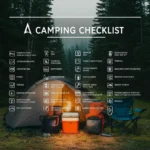
5. Packing the Ultimate Family Camping Checklist
This is where the magic happens. We use a two-bin system (inspired by Amanda Outside) to make packing and unpacking a breeze.
The Gear Bin:
- Tent, footprint, stakes, mallet.
- Sleeping bags, pillows, air mattresses, pump.
- Lanterns, headlamps, extra batteries.
- Camp chairs, table, umbrella.
The Kitchen Bin:
- Stove, fuel, lighter, matches.
- Cast iron skillet, pot, spatula, tongs.
- Cooler, ice packs, water jugs.
- Dish soap, sponge, biodegradable soap, trash bags.
The Pantry Bin (Airtight!):
- Spices, oil, coffee, tea.
- Non-perishable snacks (nuts, dried fruit, crackers).
- Iris Weathertight bins are perfect for keeping squirels out.
Personal Bags:
- Kids’ Bags: Flashlight, stuffed animal, book, water bottle, bug spray.
- Parents’ Backpacks: First aid kit, map, extra clothes, camera.
For a downloadable version of this checklist, check out our Camping Preparation Guide.
🍳 Campfire Cooking: Meal Prep and Recipes for the Whole Family
Let’s be honest: if the food is bad, the trip is over. But you don’t need to be a Michelin-star chef to feed a family outdoors. The secret? Prep at home.
🥣 Breakfast Ideas to Fuel the Morning Adventure
Breakfast is the most important meal, especially when you have a day of hiking ahead.
- Oatmeal Bar: Pre-portion oatmeal packets in ziplock bags. Add dried fruit, nuts, and honey. Just add boiling water.
- Breakfast Buritos: Scramble eggs with sausage and cheese at home, wrap in foil, and reheat over the fire.
- Pancakes: Use a shakeable jar of mix. No measuring cups needed!
Pro Tip: Bring Horizon brand tetra packs of milk (plain and chocolate) for cereal. They don’t need refrigeration until opened.
🥪 Lunch Hacks for On-the-Go Snacking
Lunch should be no-cok or quick-cok.
- Wraps: Tortillas don’t get sogy like bread. Fill with peanut butter, jelly, or deli meat.
- Fruit & Cheese: Pre-cut apples, grapes, and cheese cubes.
- Sandwiches: Make them at home and freeze them. They thaw by lunchtime and keep the cooler cold.
🍲 One-Pot Dinner Wonders for Easy Cleanup
Dinner is the time to relax. One-pot meals mean less dishwashing.
- Tacos: Pre-cok the meat at home. Just heat it up and let everyone build their own.
- Chili: A Dutch oven is perfect for this. Simer beans, meat, and veggies.
- Foil Packets: Pre-cut potatoes, onions, and meat. Season, wrap in heavy-duty foil, and toss on the coals.
👉 Shop
- Lodge Cast Iron Skillet: Amazon | Lodge Official
- Coleman Stove: Amazon | Coleman Official
🍫 Kid-Approved Snacks and Campfire Treats
- S’mores: The classic. But try peanut butter cups or marshmallow fluff for a twist.
- Trail Mix: Make your own with M&Ms, pretzels, and nuts.
- Anie’s Cheddar Bunnies: A favorite for little ones.
🎒 Essential Camping Gear and Equipment for Families
You don’t need to buy everything new. Borrowing gear is a great way to test the waters. But if you’re buying, focus on quality.
| Item | Why It’s Essential | Top Brand Recommendation |
|---|---|---|
| Instant Tent | Saves setup time, reduces frustration. | Coleman Skydome |
| Air Mattress | Better sleep = happier kids. | SoundAsleep |
| Cooler | Keeps food safe and drinks cold. | Yeti or Igloo |
| Headlamps | Hands-free lighting for night walks. | Black Diamond |
| First Aid Kit | Cuts, scrapes, and bug bites happen. | Adventure Medical Kits |
👉 Shop
- Yeti Coolers: Amazon | Yeti Official
- Black Diamond Headlamps: Amazon | Black Diamond Official
🎨 So What Do We DO With the Kids While Camping?
This is the question that keeps parents up at night. “What if they get bored?”
The answer: They won’t. If you give them the right tools.
- The “Explorer Set”: As Seagull Outfitters suggests, skip the toys. Bring a Kidz Xplore Outdoor Explorer Set with a magnifying glass, compass, and net. Kids love catching bugs and looking at leaves.
- Scavenger Hunts: Create a list of things to find: a pinecone, a smooth rock, a yellow flower.
- Nature Walks: Keep them short. “Let’s go find the waterfall!”
- Campfire Stories: Tell stories, sing songs, or just stargaze.
- Swimming: If there’s water, they’ll swim. If not, bring a Frisbee or a beach ball.
The “No-Rules” Zone: Within safety limits, let them run wild. The freedom of the outdoors is often the best cure for boredom.
🌲 Safety First: Navigating Wildlife, Weather, and First Aid
Safety isn’t about fear; it’s about preparedness.
- Wildlife: Store food in bear-proof containers or hang it from a tree. Never leave food in the tent.
- Weather: Check the forecast daily. Have a plan for rain (tarps, ponchos) and extreme heat (shade, water).
- First Aid: Know where the nearest hospital is. Pack a kit with bandages, antiseptic, bug spray, and sunscreen.
- Water Safety: Always supervise kids near water. Even shallow water can be dangerous.
Pro Tip: Teach kids the “Stop, Drop, and Roll” technique for fire safety and how to identify poison ivy.
🧹 Leave No Trace: Teaching Kids to Respect Nature
Camping is a privilege. Teach your kids to leave the site better than they found it.
- Pack It In, Pack It Out: All trash must leave with you.
- Respect Wildlife: Observe from a distance. Never feed animals.
- Stay on Trails: Don’t trample plants.
- Minimize Campfire Impact: Use established fire rings.
For more on this, check out our Leave No Trace Basics guide.
🚗 Conclusion

Camping with kids isn’t about perfection. It’s about connection. It’s about the moment your child points out a shooting star, or the laughter that erupts when a squirrel steals a marshmallow.
Yes, you might forget the toilet paper. Yes, the tent might leak. But if you keep it simple, involve the kids, and focus on the experience, you’ll create memories that last a lifetime.
As the video we mentioned earlier suggests: “Make little adventures.” Don’t worry about the details. Just get out there.
Final Recommendation:
- For First-Timers: Start with a car camping trip at a site with amenities.
- For Gear: Invest in a good tent and comfortable sleeping system.
- For Food: Prep at home and keep meals simple.
- For Mindset: Embrace the chaos.
Ready to start planning? Grab our Camping Checklist App and let the adventure begin!
🔗 Recommended Links
👉 Shop Camping Gear:
- Coleman Tents: Amazon | Coleman Official
- Lodge Cast Iron Skillet: Amazon | Lodge Official
- Yeti Coolers: Amazon | Yeti Official
- Kidz Xplore Explorer Set: Amazon
Books for Kids:
❓ FAQ

What are the best camping apps for families with kids?
- AllTrails: Great for finding kid-friendly hiking trails with photos and reviews.
- Recreation.gov: Essential for booking campsites and checking availability.
- The Camping Checklist App: Our very own app to help you pack and plan without forgetting a thing.
Read more about “🏕️ The Ultimate Checklist for Camping with Todlers (2026)”
How do I create a camping checklist for children?
Start with the basics: clothes, shoes, toiletries, and a comfort item (stuffed animal). Add entertainment like a flashlight, book, and explorer kit. Don’t forget sunscreen and bug spray. Use our Camping Preparation Guide for a full list.
Read more about “🚐 The Ultimate Car Camping Checklist: 10 Essential Categories for 2026”
What essential gear do I need for camping with toddlers?
- Portable crib or sleeping bag designed for small kids.
- High chair or portable booster seat.
- Baby wipes and diapers (lots of them).
- Baby carrier for hikes.
- Night light for the tent.
How can I keep kids entertained at a campsite?
- Nature scavenger hunts.
- Building forts with sticks and tarps.
- Fishing (if there’s water).
- Storytelling and stargazing.
- Swimming or playing with a ball.
Read more about “🏕️ How to Entertain Everyone While Camping: 15+ Activities for 2026”
📚 Reference Links
- Healthy Mama Kris: Camping with Kids: Key Strategies & Essentials
- Carful of Kids: Top Tips for Camping with Kids
- Seagull Outfitters: Camping with Kids Checklist and Hacks
- Leave No Trace: Leave No Trace Principles
- National Park Service: Camping with Kids