Support our educational content for free when you purchase through links on our site. Learn more
🚐 How to Prep Your RV for Camping: The Ultimate 2026 Guide

Remember the time we rolled into a pristine campsite, only to realize we’d forgotten to level the jacks, leaving our coffee mug sliding across the counter like a hockey puck? Or that heart-stopping moment when the “Check Engine” light flickered on a lonely highway, miles from the nearest mechanic? We’ve all been there. But here’s the secret the pros don’t always shout from the rooftops: preparation is the difference between a nightmare and a memory.
Preparing your RV for camping isn’t just about flipping a few switches; it’s a symphony of mechanical checks, safety protocols, and strategic planning that ensures your home-on-wheels is ready for whatever the wild throws at it. From the nitty-gritty of tire pressure and fluid levels to the art of setting up a perfect campsite, this guide covers every single step you need to take. We’ll even reveal the one “final check” that 90% of beginners skip, which could save you hundreds in repair bills later. Ready to turn your next trip into a flawless adventure? Let’s get rolling.
Key Takeaways
- Systematic Inspection is Non-Negotiable: A thorough pre-trip check of tires, brakes, fluids, and electrical systems prevents 95% of roadside emergencies.
- Master the Hookups: Understanding the correct sequence for water, electric, and sewer connections ensures safety and prevents costly damage to your RV’s plumbing.
- Leveling Matters: Proper leveling isn’t just for comfort; it protects your refrigerator, ensures proper waste drainage, and stabilizes your living space.
- Emergency Prep: Always carry a dedicated roadside emergency kit, including a surge protector, water pressure regulator, and a comprehensive tool set.
- Plan Ahead: Researching your route, campsite specifics, and local regulations before you leave eliminates stress and maximizes your fun time.
Table of Contents
- ⚡️ Quick Tips and Facts
- 📜 The Evolution of RV Readiness: From Canvas Tents to Smart Systems
- 🚐 The Ultimate Pre-Trip RV Inspection Checklist: Systems, Safety, and Sanity
- 🔋 Mastering Your RV Power: Batteries, Solar, and Shore Power Prep
- 💧 Water, Waste, and Plumbing: The Dirty Work of RV Prep
- 🛠️ Essential Tools and Gear for the DIY RV Prepper
- 🏕️ Before You Arrive: Route Planning, Reservations, and Site Recon
- 🚙 Towing Dynamics: Weight Distribution, Hitch Setup, and Safety Chains
- 🏁 Upon Arrival: Scouting the Campsite and Leveling Your Rig
- ⛺ Setting Up Your RV: Stabilizers, Awnings, and Utility Hookups
- 🔌 Hooking Up to Campground Utilities: Water, Electric, and Sewer
- 🌡️ Climate Control: Prepping Your HVAC and Insulation for Any Weather
- 🍳 Kitchen Ready: Appliances, Food Storage, and Cooking Safety
- 🛌 Interior Comfort: Beding, Storage, and Organizing Your Living Space
- 🚨 Final Checks: The “Lock It and Leave It” Safety Sweep
- 🏃 Departure Preparation: Breaking Down Camp and Stowing Gear
- 👶 Tips for Beginners: Common Mistakes to Avoid and How to Recover
- 🏨 Choosing the Right Destination: RV Resorts vs. Bondocking Spots
- 🍪 Cookie Banner
- 🔒 Privacy Preference Center
- 👋 Join Our Community!
- Conclusion
- Recommended Links
- FAQ
- Reference Links
Quick Tips and Facts
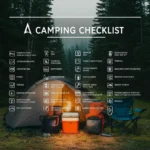
To get started with preparing your RV for camping, check out our rv camping checklist for a comprehensive guide. Here are some quick tips to keep in mind:
- Always inspect your RV’s tires, brakes, and suspension before a trip.
- Make sure you have a first aid kit and a fire extinguisher on board.
- Pack essential items like food, water, and clothing.
- Don’t forget to bring sunscreen, insect repellent, and a map.
- Consider investing in a portable generator and a water filter for off-grid camping.
The Evolution of RV Readiness: From Canvas Tents to Smart Systems
The world of RV camping has come a long way since the early days of canvas tents and simple trailers. Today, RVs are equipped with smart systems that make camping easier and more comfortable. From leveling systems to water filtration systems, there are many innovative features to explore. Check out the latest models from Winebago and Jayco to see what’s new in the world of RV camping.
The Ultimate Pre-Trip RV Inspection Checklist: Systems, Safety, and Sanity
Before you hit the road, make sure to inspect your RV’s systems, safety features, and overall condition. Here’s a checklist to get you started:
- Electrical systems: Check the battery, generator, and electrical panel.
- Plumbing systems: Inspect the water tank, water pump, and pipes.
- Safety features: Test the smoke detector, carbon monoxide detector, and fire extinguisher.
- Tires and wheels: Check the tire pressure, tread depth, and wheel bearings.
- Brakes: Inspect the brake pads, rotors, and brake fluid.
Mastering Your RV Power: Batteries, Solar, and Shore Power Prep
When it comes to RV power, there are several options to consider. Batteries are a great way to store energy, while solar panels can provide a renewable source of power. Shore power is also an option, but it requires a connection to an external power source. Check out the Renogy website for more information on solar panels and battery systems.
Water, Waste, and Plumbing: The Dirty Work of RV Prep
Dealing with water, waste, and plumbing can be a dirty job, but it’s essential for a comfortable and safe RV camping experience. Here are some tips to keep in mind:
- Water conservation: Use low-flow fixtures and conserve water whenever possible.
- Waste management: Use a portable toilet and a gray water tank to manage waste.
- Plumbing maintenance: Inspect the pipes and fittings regularly to prevent leaks and damage.
Essential Tools and Gear for the DIY RV Prepper
As a DIY RV prepper, you’ll need a variety of tools and gear to get the job done. Here are some essentials to consider:
- Tool kit: A basic tool kit should include a wrench, pliers, screwdrivers, and a hammer.
- Safety gear: A first aid kit, fire extinguisher, and smoke detector are must-haves.
- Water purification: A water filter or purification tablets can ensure safe drinking water.
- Lighting: A portable lantern or flashlight can provide light when you need it.
Before You Arrive: Route Planning, Reservations, and Site Recon
Before you arrive at the campsite, make sure to plan your route, make reservations, and scout out the site. Here are some tips to keep in mind:
- Route planning: Use a mapping app or website to plan your route and avoid traffic.
- Reservations: Make reservations in advance to ensure a spot at the campsite.
- Site recon: Scout out the site before you arrive to ensure it’s suitable for your RV.
Towing Dynamics: Weight Distribution, Hitch Setup, and Safety Chains
When it comes towing your RV, there are several factors to consider. Weight distribution, hitch setup, and safety chains are all critical components of safe towing. Check out the Equalizer website for more information on hitch systems and weight distribution.
Upon Arrival: Scouting the Campsite and Leveling Your Rig
When you arrive at the campsite, make sure to scout out the area and level your RV. Here are some tips to keep in mind:
- Scout the site: Look for any obstacles or hazards, such as rocks or low-hanging branches.
- Leveling: Use a level and some blocks to level your RV and ensure it’s stable.
Setting Up Your RV: Stabilizers, Awnings, and Utility Hookups
Once you’ve arrived at the campsite and leveled your RV, it’s time to set up your stabilizers, awnings, and utility hookups. Here are some tips to keep in mind:
- Stabilizers: Use stabilizer jacks to stabilize your RV and prevent movement.
- Awnings: Extend your awning to provide shade and protection from the elements.
- Utility hookups: Connect to the campsite’s utilities, such as water, electricity, and sewer.
Hooking Up to Campground Utilities: Water, Electric, and Sewer
When you arrive at the campsite, you’ll need to hook up to the campground’s utilities. Here are some tips to keep in mind:
- Water: Connect to the campsite’s water supply and use a water filter to ensure safe drinking water.
- Electric: Connect to the campsite’s electrical supply and use a surge protector to protect your RV’s electrical system.
- Sewer: Connect to the campsite’s sewer system and use a sewer hose to drain your RV’s tanks.
Climate Control: Prepping Your HVAC and Insulation for Any Weather
When it comes to climate control, it’s essential to prep your HVAC and insulation for any weather. Here are some tips to keep in mind:
- HVAC maintenance: Inspect and maintain your RV’s HVAC system to ensure it’s working properly.
- Insulation: Use insulation to keep your RV warm in the winter and cool in the summer.
Kitchen Ready: Appliances, Food Storage, and Cooking Safety
When it comes to cooking and food storage, there are several factors to consider. Apliances, food storage, and coking safety are all critical components of a safe and healthy RV kitchen. Check out the Dometic website for more information on RV appliances and cooking safety.
Interior Comfort: Beding, Storage, and Organizing Your Living Space
When it comes to interior comfort, there are several factors to consider. Beding, storage, and organizing your living space are all critical components of a comfortable and functional RV interior. Check out the RV Interior Design website for more information on RV interior design and organization.
Final Checks: The “Lock It and Leave It” Safety Sweep
Before you leave your RV, make sure to do a final safety sweep to ensure everything is secure and safe. Here are some tips to keep in mind:
- Locks: Lock all doors and windows to prevent unauthorized access.
- Apliances: Turn off all appliances, including the refrigerator and stove.
- Systems: Check all systems, including the electrical and plumbing systems, to ensure they’re working properly.
Departure Preparation: Breaking Down Camp and Stowing Gear
When it’s time to leave the campsite, make sure to break down camp and stow your gear properly. Here are some tips to keep in mind:
- Break down camp: Disassemble your campsite, including your tent, chairs, and tables.
- Stow gear: Stow your gear, including your tools, appliances, and clothing.
Tips for Beginners: Common Mistakes to Avoid and How to Recover
As a beginner, it’s easy to make mistakes when it comes to RV camping. Here are some common mistakes to avoid and how to recover:
- Overloading: Avoid overloading your RV, as it can cause damage to the vehicle and affect its handling.
- Poor maintenance: Regular maintenance is critical to ensure your RV is running properly and safely.
Choosing the Right Destination: RV Resorts vs. Bondocking Spots
When it comes to choosing a destination for your RV camping trip, there are several factors to consider. RV resorts and bondocking spots are two popular options, each with their own advantages and disadvantages. Check out the Good Sam website for more information on RV resorts and bondocking spots.
Cookie Banner
We use cookies to ensure that we give you the best experience on our website. By continuing to use this site, you agree to our use of cookies.
Privacy Preference Center
We respect your privacy and want to ensure that you have control over your personal data. Please visit our Privacy Preference Center to learn more about our privacy policies and to manage your preferences.
Join Our Community!
Join our community of RV enthusiasts and stay up-to-date on the latest news, tips, and reviews. Check out our Camping Preparation Guide for more information on how to prepare for your next RV camping trip.