Support our educational content for free when you purchase through links on our site. Learn more
🏕️ 15 Essential Camping Preparation Tips for Beginners (2026)

Stop packing your car with panic and start packing with purpose: the secret to a flawless first trip is treating your gear like a checklist, not a guess. These Camping preparation tips for beginners are designed to turn your “what if I forget something?” anxiety into a confident “I’ve got this” vibe before you even leave the driveway.
We learned this the hard way during our debut trip, arriving at a pitch-black campsite only to realize we’d forgotten the tent stakes and were forced to sleep in the car while a racoon inspected our cooler. That night taught us that preparation is the difference between a magical adventure and a miserable disaster.
Did you know that over 50% of first-time campers return for a second trip, but nearly 30% never go back because of preventable gear failures or bad planning? You can be part of the success story by following a structured approach.
Key Takeaways
- Master the Backyard Test: Always set up your tent and test your stove in your driveway or backyard before hitting the road to avoid midnight setup nightmares.
- Sleep Warm, Not Just Dry: Invest in a quality sleeping pad and a bag rated 10–15°F lower than the expected low; the ground steals heat faster than the air.
- Plan for the Worst Weather: Check the forecast, but pack for the next worst scenario (rain, wind, or cold) to stay comfortable when conditions change.
- Secure Your Food: Properly store all food and trash in bear-proof containers or designated lockers to protect wildlife and your snacks.
- Start Small: Choose a campsite within 30 minutes of home for your first trip so you can easily retreat if something goes wrong.
Table of Contents
- ⚡️ Quick Tips and Facts
- 🏕️ From Backyard to Backcountry: A Brief History of Camping Preparation
- 🎒 The Ultimate Beginner’s Camping Gear Checklist: What You Actually Need
- 1. Shelter Systems: Tents, Tarps, and Sleeping Bags
- 2. Cooking Essentials: Stoves, Fuel, and Cookware
- 3. Lighting and Navigation: Headlamps, Lanterns, and Maps
- 4. Clothing Layers: Dressing for Weather and Terrain
- 5. Hygiene and First Aid: Staying Clean and Safe
- 🗺️ Scouting the Perfect Spot: How to Choose a Campsite for Beginners
- 🔥 Campfire Mastery: Building, Maintaining, and Extinguishing Fires Safely
- 🍳 Outdoor Kitchen 101: Meal Planning and Cooking Tips for New Campers
- 🐻 Wildlife Encounters: How to Coexist with Bears, Deer, and Other Creatures
- 🌧️ Weathering the Storm: Preparing for Rain, Wind, and Extreme Temperatures
- 🚿 Leave No Trace: Ethical Camping Practices for Beginners
- 🚗 Vehicle Camping vs. Backpacking: Which Style Suits Your First Trip?
- 💡 Pro Secrets: Extra Items That Transformed Our First Camping Experience
- 📱 Digital Detox or Digital Lifeline? Managing Tech in the Wild
- 🏠 The “Backyard Test”: How to Practice Camping Before You Go
- 📌 Save to Pinterest
- 🌲 Join Our Camping Community
- Conclusion
- Recommended Links
- FAQ
- Reference Links
⚡️ Quick Tips and Facts
Before you even think about packing that duffel bag, let’s hit the pause button and address the elephant in the room: Camping is not about suffering; it’s about strategic comfort. We’ve seen too many first-timers show up with a tent they’ve never opened, a sleeping bag rated for the Arctic (when it’s 75°F outside), and zero idea how to start a fire without burning their eyebrows off.
Here are the non-negotiables that separate the happy campers from the ones sleeping in their cars by 2 AM:
- The “Backyard Test” is Mandatory: If you haven’t set up your tent in your living room or backyard at least once, do not take it to the woods. You will panic when the rain starts, and you will hate us for not telling you this.
- Sleeping on the Ground is a Myth: Unless you are a seasoned backpacker with a $40 pad, never sleep directly on the dirt. The ground sucks heat from your body 30x faster than the air. You need a barrier.
- Temperature Ratings Lie: A “20°F” sleeping bag is rated for a survival scenario, not a comfortable night. If you think it might hit 40°F, bring a bag rated for 20°F.
- Water is Heavy: Bring at least one gallon person, per day for drinking and cooking, even if the site has a spigot. Spigots break, pipes freeze, and water pumps run dry.
- The “First Night” Rule: For your very first trip, choose a campsite within a 25-minute drive of your home. If you forget your toothbrush or realize your tent is a disaster, you can retreat to civilization without a 4-hour drive.
For a deeper dive into the absolute essentials you need to gather before you leave the driveway, check out our guide on What should I prepare before camping?.
🏕️ From Backyard to Backcountry: A Brief History of Camping Preparation

You might think camping is a modern invention born from the 1970s “back to nature” movement, but the roots go much deeper. Indigenous peoples of North America, Europe, and Asia have been “camping” for millennia, relying on intimate knowledge of local flora, fauna, and weather patterns. They didn’t have REI catalogs; they had oral tradition.
The shift to recreational camping as we know it began in the late 19th century. The YMCA and Boy Scouts played massive roles in standardizing camping skills, turning survival into a structured activity. By the 1920s, the automobile made camping accessible to the masses, leading to the birth of the “car camping” culture.
However, the preparation mindset has shifted dramatically.
- Then: Preparation meant knowing which plants were edible and how to build a lean-to.
- Now: Preparation involves checking weather apps, booking sites on Recreation.gov, and ensuring your Coleman stove has the right fuel canister.
Why does this history matter? Because the core principle remains unchanged: Preparation prevents panic. Whether you are a 1920s motorist or a 2024 digital nomad, the person who checks their gear list wins the night.
🎒 The Ultimate Beginner’s Camping Gear Checklist: What You Actually Need
So, you’re ready to go. But what do you actually pack? The internet is flooded with lists that include “solar-powered espresso machines” and “portable saunas.” Ignore them. We are here for the basics that work.
We’ve broken this down into the five pillars of camping survival. If you miss one, you’re in trouble.
1. Shelter Systems: Tents, Tarps, and Sleeping Bags
Your tent is your castle. If the castle leaks, the kingdom falls.
Tent Selection Strategy:
- Size Up: A “2-person” tent fits two people if they are huddled together like sardines. For comfort, gear storage, and an air mattress, buy a 3-person tent for two people.
- Seasonality: Stick to 3-season tents for spring, summer, and fall. They offer better ventilation and are lighter. 4-season tents are overkill and stuffy for beginners.
- Setup: Look for “frestanding” tents. They stand up on their own, making it easier to move them around while staking.
Sleeping System:
- The Bag: Look for a synthetic fill bag for your first trip. It’s cheaper, dries faster if it gets wet, and is more forgiving than down.
- The Pad: This is non-negotiable. An inflatable sleeping pad (like the Therm-a-Rest NeoAir) provides insulation and cushioning.
| Feature | Synthetic Sleeping Bag | Down Sleeping Bag |
|---|---|---|
| Cost | ✅ Affordable | ❌ Expensive |
| Wet Performance | ✅ Retains warmth when wet | ❌ Loses insulation |
| Weight/Size | ❌ Bulky | ✅ Compressible |
| Durability | ✅ High | ⚠️ Requires care |
| Best For | Beginers & Damp Climates | Backpackers & Dry Climates |
Pro Tip: Always bring a ground cloth (or a cheap tarp) under your tent. It protects the floor from moisture and sharp rocks.
2. Cooking Essentials: Stoves, Fuel, and Cookware
Forget the complex gourmet meals for night one. We are talking hot dogs and coffee. But you need the right tools to make it happen.
- Stove: The Coleman Classic Propane Stove is the gold standard for car camping. It’s stable, has two burners, and runs on standard propane cylinders.
- Fuel: Bring extra fuel. Running out of gas at 7 PM is a mood killer.
- Cookware: A simple cast iron skillet or a non-stick pot works wonders. Don’t bring a full kitchen set.
- Utensils: Tongs, a spatula, a sharp knife, and a camp fork (you’ll need it for roasting marshmallows and hot dogs).
Lighting and Navigation:
- Headlamp: Hands-free lighting is a game-changer. The Black Diamond Spot or Petzl Actik are reliable.
- Lantern: A rechargeable LED lantern like the LuminAID PackLite provides ambient light for the campsite.
- Navigation: Don’t rely solely on your phone. Bring a physical map of the area and a compass. Cell service is often non-existent in the woods.
3. Clothing Layers: Dressing for Weather and Terrain
The golden rule of camping clothing: No Cotton. Cotton absorbs moisture, stays wet, and steals your body heat. It’s the “death fabric” for campers.
- Base Layer: Merino wool or synthetic materials.
- Mid Layer: A fleece jacket or puffy down vest.
- Outer Layer: A waterproof, breathable rain shell.
- Footwear: Break in your boots before you go. Bring wol socks (bring an extra pair for sleeping!).
4. Hygiene and First Aid: Staying Clean and Safe
- First Aid Kit: Band-aids, antiseptic wipes, blister treatment (moleskin), pain relievers, and twezers.
- Hygiene: Biodegradable soap, hand sanitizer, toothbrush, and face wipes (a lifesaver when showers are far away).
- Toilet Paper: Pack it in a waterproof bag. If you are in bear country, you must pack it out.
🗺️ Scouting the Perfect Spot: How to Choose a Campsite for Beginners
Choosing a campsite is like choosing a seat on a plane: you want the best view, but you don’t want to be next to the bathroom.
The “First-Timer” Criteria:
- Proximity to Home: As mentioned, stay close.
- Amenities: Look for sites with flush toilets, running water, and showers. This reduces stress significantly.
- Level Ground: Use the “tent test” (lie down in your sleeping bag on the ground) to check for rocks and slopes.
- Overhead Safety: Check for “widowmakers” (dead branches) hanging over your tent site.
- Distance from Water: Camp at least 20 feet away from water sources to protect the ecosystem and avoid mosquitoes.
Booking Strategy:
Avoid “first-come, first-serve” sites for your first trip. They are chaotic and often full. Use Recreation.gov or Hipcamp to book a reserved spot with a specific site number.
Pro Insight: When you arrive, position your tent door away from the campfire to avoid smoke inhalation, and face it toward the sunrise if you want a gentle wake-up call.
🔥 Campfire Mastery: Building, Maintaining, and Extinguishing Fires Safely
Nothing says “camping” like a crackling fire. But building one without burning the forest down is an art.
The Fire Triangle: You need Heat, Fuel, and Oxygen.
Step-by-Step Fire Building:
- Preparation: Clear a circle of debris down to bare soil. Use the existing fire ring if available.
- Tinder: Dry leaves, pine needles, or commercial fire starters.
- Kindling: Small twigs (pencil size).
- Fuel: Larger logs.
- Structure: Use the Log Cabin method (stacking logs in a square) for good airflow, or the Tepee method for quick heat.
Safety First:
- Never leave a fire unattended.
- Keep a shovel and bucket of water nearby.
- Extinguishing: Drown the fire with water, stir the ashes, and drown it again. If it’s not cool to the touch, it’s not out.
Cooking Tip: Let the fire burn down to coals before cooking. Open flames are for roasting marshmallows; coals are for cooking food evenly.
🍳 Outdoor Kitchen 101: Meal Planning and Cooking Tips for New Campers
You don’t need to be a Michelin-star chef. In fact, simple is better.
The “No-Fail” Menu:
- Breakfast: Coffee (boil water, add instant coffee or French press), bagels with cream cheese, or granola bars.
- Lunch: PB&J sandwiches, chips, and fruit. No cooking required.
- Dinner: Hot dogs, brats, or pre-coked sausages. Cook over the fire or stove.
- Snack: S’mores (graham crackers, chocolate, marshmallows) and Jiffy Pop popcorn.
Food Storage & Safety:
- Coolers: Use a high-quality cooler like a Yeti or a well-insulated styrofoam cooler. Keep it in the shade.
- Bear Safety: If you are in bear country, never keep food in your tent. Use a bear canister or hang a bear bag. In developed campgrounds, use the provided bear boxes.
- Trash: Store all trash in sealed bags. Raccons and squirels are smart; they will find your open bag.
Spice It Up: Don’t forget salt, pepper, and garlic powder. They transform bland camp food into a feast.
🐻 Wildlife Encounters: How to Coexist with Bears, Deer, and Other Creatures
Seeing a bear is a highlight for many, but it can be terrifying for a beginner. The key is respect and distance.
General Rules:
- Make Noise: Talk, clap, or sing while hiking to avoid surprising animals.
- Secure Food: Never leave food unattended.
- Distance: Use binoculars. If animal approaches you, back away slowly. Do not run.
Specific Scenarios:
- Bears: If you see a bear, identify yourself as human (talk calmly). If it charges, stand your ground. Black bears are different from Grizzlies; know the difference.
- Raccons & Squirels: They are pests, not predators. Secure your trash and food.
- Snakes: Watch where you step and put your hands. Wear boots.
Myth Buster: You don’t need to carry bear spray for every trip, but if you are in high-risk areas, it’s a good idea to learn how to use it.
🌧️ Weathering the Storm: Preparing for Rain, Wind, and Extreme Temperatures
The weather is the only thing you can’t control, but you can prepare for it.
Rain:
- Tent: Ensure your tent has a rainfly and is properly staked.
- Gear: Pack a dry bag for electronics and extra clothes.
- Mindset: If it rains, you get wet. Accept it. Bring a change of dry clothes for the evening.
Wind:
- Stakes: Use heavy-duty stakes and guy lines to secure the tent.
- Location: Set up in a sheltered spot, but avoid dead trees that could fall.
Temperature Extremes:
- Cold: Layer up. Use a hot water bottle in your sleeping bag.
- Heat: Camp in the shade. Use a tent with good ventilation. Drink more water than you think you need.
🚿 Leave No Trace: Ethical Camping Practices for Beginners
Camping is a privilege, not a right. We must leave the land better than we found it.
The 7 Principles:
- Plan Ahead: Know the regulations.
- Travel and Camp on Durable Surfaces: Don’t trample vegetation.
- Dispose of Waste Properly: Pack it in, pack it out.
- Leave What You Find: Don’t pick flowers or move rocks.
- Minimize Campfire Impacts: Use established fire rings.
- Respect Wildlife: Observe from a distance.
- Be Considerate of Others: Keep noise down.
Bathroom Etiquette:
- Cat Holes: If no toilet is available, dig a hole 6-8 inches deep, 20 feet from water/trails. Cover it after use.
- Pack It Out: In sensitive areas, use WAG bags to pack out human waste.
🚗 Vehicle Camping vs. Backpacking: Which Style Suits Your First Trip?
Vehicle Camping (Car Camping):
- Pros: You can bring more gear, real food, and a comfortable bed. Easy access to bathrooms.
- Cons: Less solitude, more crowds.
- Verdict: Perfect for beginners.
Backpacking:
- Pros: Deep solitude, access to remote areas.
- Cons: Heavy packs, no amenities, requires fitness and skill.
- Verdict: Wait until you have mastered car camping.
💡 Pro Secrets: Extra Items That Transformed Our First Camping Experience
We’ve been there. We forgot the mallet, the extra socks, and the bug spray. Here are the items that saved our skins:
- Ruber Mallet: Stakes are hard to drive with a rock. A mallet is a must.
- Extra Socks: Damp socks = cold feet = miserable night.
- Headlamp with Red Light: Preserves night vision and doesn’t wake your tent-mates.
- Biodegradable Soap: For washing dishes and hands.
- Camp Chairs: Picnic tables are uncomfortable for lounging.
- Plastic Tablecloth: Covers the grimy picnic table for eating.
- Playing Cards: Essential for rainy evenings.
📱 Digital Detox or Digital Lifeline? Managing Tech in the Wild
Do you bring your phone? Yes. But use it wisely.
- Navigation: Download offline maps on Gaia GPS or AllTrails before you leave.
- Emergency: Your phone is your lifeline. Keep it charged with a portable power bank.
- Detox: Turn off notifications. Enjoy the silence.
🏠 The “Backyard Test”: How to Practice Camping Before You Go
This is the most important tip we can give you. Set up your tent in your backyard.
- Practice Setup: Time yourself. Can you do it in 15 minutes?
- Test Gear: Sleep in your sleeping bag. Is it too hot? Too cold?
- Cook a Meal: Try your stove in the backyard.
- Identify Issues: Did you forget the stakes? Is the rainfly too small?
Fix these problems at home, not in the woods at 8 PM.
📌 Save to Pinterest
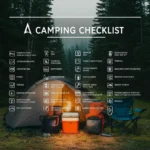
Don’t let this guide slip away! Pin this checklist to your Camping Prep board so you can reference it while packing.
🌲 Join Our Camping Community
Ready to share your first camping story? Join the Camping Checklist™ community. We share tips, gear reviews, and support for new campers.
Conclusion

So, did we answer the question: Is camping for you? The answer is a resounding yes, provided you respect the preparation. Camping isn’t about enduring discomfort; it’s about finding comfort in the wild. By following these steps—checking your gear, choosing the right site, and practicing your skills—you’ll transform from a nervous newbie into a confident camper.
Remember the story of the tent that wouldn’t close? That happens to the best of us. But with the right preparation, you’ll be the one roasting marshmallows while others are still fighting with zippers.
Our Top Recommendation: Start small. Drive 20 minutes, stay one night, and bring a 3-person tent. If you love it, you’ll be back. If you don’t, you’ll have a great story to tell.
Recommended Links
Essential Gear:
- Tents: Coleman Sundome 4-Person Tent | REI Co-op Half Dome 2 Plus | Coleman Official Site
- Sleeping Bags: Kelty Cosmic 20 Sleeping Bag | Teton Sports Tracker Ultralight
- Stoves: Coleman Classic Propane Stove | Jetboil Flash
- Coolers: Yeti Tundra 45 | RTIC 45 Quart Cooler
- Lighting: Black Diamond Spot Headlamp | LuminAID PackLite Lantern
Books & Guides:
FAQ

What essential items should be on a beginner camping checklist?
A beginner’s checklist must include a tent (sized up for comfort), a sleeping bag (rated for lower temps than expected), a sleeping pad, a headlamp, a camp stove with fuel, a first aid kit, water (1 gallon/person/day), and food that requires minimal prep. Don’t forget a ruber mallet for stakes and extra socks.
Read more about “⚡️ The Ultimate Checklist for Solar-Powered Camping Equipment (2026)”
How do I choose the right tent for my first camping trip?
Choose a 3-season, frestanding tent that is one size larger than your group. For two people, get a 3-person tent. Look for features like a rainfly, vestibules for gear storage, and easy setup (color-coded poles). Avoid heavy backpacking tents for car camping; prioritize space and ease of use over weight.
Read more about “🍽️ The Ultimate Camping Checklist for Group Meal Planning (2026)”
What are the best apps to plan a camping itinerary?
AllTrails is excellent for finding trails and campsites. Recreation.gov is the official site for booking federal campsites. Gaia GPS or OnX Offroad are great for offline maps and navigation. The Camping Checklist App (our own tool) helps you organize your gear and tasks.
Read more about “🏕️ 15 Essential Camping Tips for Beginners to Master the Wild (2026)”
How can I stay safe while camping as a first-timer?
Safety starts with preparation. Check the weather, know the local wildlife, and secure your food. Always tell someone your itinerary. Keep a first aid kit handy. If you are in bear country, use bear canisters or hang bags. Never leave a fire unattended, and always extinguish it completely.
What if it rains during my first camping trip?
Rain is part of the experience! Ensure your tent has a rainfly and is properly staked. Bring dry bags for electronics and extra clothes. Have a plan for cooking in the rain (use a stove under a tarp). Most importantly, stay positive and enjoy the sound of rain on the tent.
Can I cook over a campfire if I’m a beginner?
Yes, but start simple. Use coals rather than open flames for even cooking. Roast hot dogs, brats, or marshmallows. Avoid complex meals that require precise timing. Always have a shovel and water nearby to extinguish the fire.
Reference Links
- Leave No Trace Center for Outdoor Ethics
- Recreation.gov – Camping Reservations
- National Park Service – Camping Safety
- The Wildly-Useful Camping Tips, Tricks & Guide for Beginners
- Coleman Official Website
- REI Co-op – Camping Gear
- Black Diamond – Headlamps
- Kelty – Sleeping Bags
- Jetboil – Camping Stoves
- Yeti – Coolers