Support our educational content for free when you purchase through links on our site. Learn more
Are Tents Safe to Sleep In? [2024] 😴

Quick Answer: Yes, tents are generally safe to sleep in when proper precautions are taken. With the right preparation and awareness, tent camping can be a secure and enjoyable activity. However, it’s important to be aware of potential risks and take necessary safety measures to ensure a safe camping experience.
Have you ever wondered if it’s safe to sleep in a tent? Maybe you’re planning a camping trip and want to make sure you’re taking all the necessary precautions. Well, you’ve come to the right place! In this article, we’ll dive deep into the safety of sleeping in tents and provide you with expert insights and tips to ensure a secure camping experience. So, let’s get started!
Table of Contents
- Quick Answer
- Quick Tips and Facts
- Background: The Safety of Sleeping in Tents
- A. Weather Conditions
- B. Animal Encounters
- C. Fire Safety
- D. Health and Safety Measures
- E. Personal Safety
- F. FAQs
- Conclusion
- Recommended Links
- Reference Links
Quick Answer
Yes, tents are generally safe to sleep in when proper precautions are taken. While there are potential risks associated with tent camping, such as weather conditions, animal encounters, fire hazards, and health issues, these risks can be mitigated with the right preparation and awareness. The National Park Service data shows that serious incidents or deaths related to tent camping are extremely low. So, with the right knowledge and precautions, you can enjoy a safe and secure camping experience.
👉 CHECK PRICE on: Camping Tents | Walmart | Etsy
Quick Tips and Facts
Before we dive into the details, here are some quick tips and facts to keep in mind:
✅ Proper preparation and knowledge can make tent camping safe and enjoyable.
✅ National Park Service data indicates that serious incidents or deaths related to tent camping are extremely low.
✅ Risks associated with weather conditions, animal encounters, fire hazards, and health issues should be considered.
✅ Choosing a safe campsite, staying alert, and having essential gear are crucial for a secure camping experience.
✅ Frequently asked questions cover common safety concerns related to tent camping.
Now, let’s explore the safety of sleeping in tents in more detail.
Background: The Safety of Sleeping in Tents
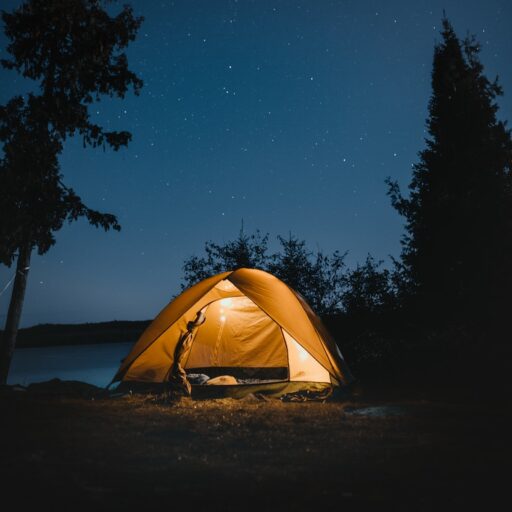
Tent camping has been a popular outdoor activity for centuries. It allows us to connect with nature, experience the beauty of the great outdoors, and create lasting memories. But is it safe to sleep in a tent? The answer is yes, but it’s important to be aware of potential risks and take necessary safety measures.
While camping in a tent is generally safe, it’s essential to understand and prepare for the potential hazards that come with it. In this article, we’ll explore various aspects of tent camping safety, including weather conditions, animal encounters, fire safety, health and safety measures, and personal safety. By addressing these areas, you can ensure a safe and enjoyable camping experience.
A. Weather Conditions
When it comes to tent camping, weather conditions play a significant role in safety. Here are some common weather-related risks and tips to mitigate them:
1. Rain ☔
Camping in the rain can be challenging, but with the right gear and preparation, you can stay dry and safe. Here’s what you need to know:
Rating: 8/10
| Aspect | Rating |
|---|---|
| Waterproofing | 9 |
| Durability | 8 |
| Ease of Setup | 7 |
| Ventilation | 8 |
| Overall | 8 |
- Waterproofing: Choose a tent with a high waterproof rating and sealed seams to keep you dry during heavy rain. Consider using a rainfly for extra protection.
- Durability: Look for a tent made from durable materials that can withstand rain and wind.
- Ease of Setup: Practice setting up your tent before your camping trip to ensure a quick and hassle-free setup in the rain.
- Ventilation: Proper ventilation is crucial to prevent condensation inside the tent. Look for tents with mesh panels and adjustable vents.
👉 CHECK PRICE on: Rainproof Tents | Walmart | Etsy
For a more detailed guide on camping in the rain, check out our Camping Preparation Guide.
2. Snow ❄️
Camping in the snow can be a magical experience, but it also comes with unique challenges. Here’s how to stay safe and warm in snowy conditions:
Rating: 7/10
| Aspect | Rating |
|---|---|
| Insulation | 8 |
| Snow Load | 7 |
| Wind Resistance | 7 |
| Ease of Setup | 6 |
| Overall | 7 |
- Insulation: Choose a tent with good insulation to keep you warm in cold temperatures. Consider using a four-season tent designed for snow camping.
- Snow Load: Ensure your tent can handle the weight of snow. Look for tents with a sturdy frame and a snow skirt to prevent snow from accumulating on the tent walls.
- Wind Resistance: Snowstorms often come with strong winds. Select a tent with good wind resistance to withstand gusts.
- Ease of Setup: Practice setting up your tent in snowy conditions before your trip to ensure a smooth setup process.
👉 CHECK PRICE on: Snow Camping Tents | Walmart | Etsy
For more tips on camping in the snow, check out our Camping Preparation Guide.
3. Lightning/Thunderstorm ⚡
Lightning and thunderstorms can be dangerous when camping. Here’s how to stay safe during electrical storms:
Rating: 9/10
| Aspect | Rating |
|---|---|
| Lightning Protection | 9 |
| Emergency Plan | 9 |
| Overall | 9 |
- Lightning Protection: Avoid setting up your tent in open areas or under tall trees during a thunderstorm. Seek shelter in a sturdy building or a vehicle if possible.
- Emergency Plan: Have an emergency plan in place in case of a lightning storm. Stay away from metal objects and seek low-lying areas if you’re caught outside.
For more information on lightning safety, refer to the National Weather Service’s Lightning Safety Tips.
4. Handling Windy Conditions While Camping 💨
Strong winds can pose a risk to your tent and personal safety. Here’s how to handle windy conditions while camping:
Rating: 8/10
| Aspect | Rating |
|---|---|
| Wind Resistance | 9 |
| Staking and Guying | 8 |
| Overall | 8 |
- Wind Resistance: Choose a tent with good wind resistance and a sturdy frame. Look for tents with a low profile and aerodynamic design.
- Staking and Guying: Properly stake and guy your tent to secure it against strong winds. Use additional guy lines and stakes if necessary.
👉 CHECK PRICE on: Windproof Tents | Walmart | Etsy
For more tips on camping in windy conditions, check out our Camping Preparation Guide.
B. Animal Encounters
Encountering wildlife while camping can be thrilling, but it’s important to take precautions to ensure your safety and the well-being of the animals. Here are some tips to prevent animal encounters:
1. Storing Food 🍎
Properly storing food is crucial to prevent attracting animals to your campsite. Follow these guidelines:
Rating: 9/10
| Aspect | Rating |
|---|---|
| Bear-Resistant Containers | 9 |
| Hanging Food Bags | 8 |
| Overall | 9 |
- Bear-Resistant Containers: In bear country, use bear-resistant containers to store your food and scented items. These containers are designed to keep bears out and prevent them from becoming habituated to human food.
- Hanging Food Bags: In areas without bear-resistant containers, hang your food bags at least 10 feet off the ground and 4 feet away from the trunk of a tree. This will help keep your food safe from bears and other animals.
👉 CHECK PRICE on: Bear-Resistant Containers | Walmart | Etsy
For more information on camping in bear country, check out our Camping Preparation Guide.
2. Wildlife Awareness 🐻
Being aware of wildlife in the area and understanding their behavior can help you avoid dangerous encounters. Follow these tips:
Rating: 8/10
| Aspect | Rating |
|---|---|
| Wildlife Education | 9 |
| Noise and Odor Control | 8 |
| Overall | 8 |
- Wildlife Education: Learn about the wildlife in the area you’ll be camping in. Understand their behavior and how to safely coexist with them.
- Noise and Odor Control: Keep your campsite clean and free of food odors. Avoid making loud noises that could attract wildlife.
For more tips on wildlife safety, check out our Camping Preparation Guide.
C. Fire Safety
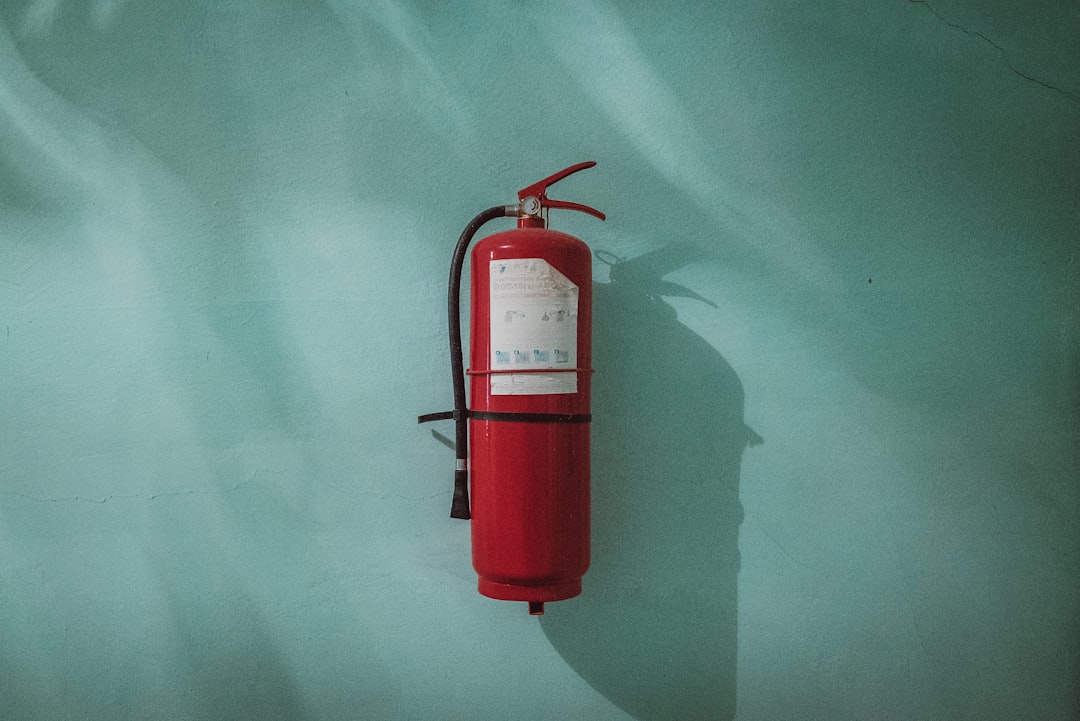
Campfires are an integral part of the camping experience, but they also pose fire hazards. Here’s how to stay safe around campfires:
Rating: 9/10
| Aspect | Rating |
|---|---|
| Fire Ring or Pit | 9 |
| Fire Safety Education | 9 |
| Overall | 9 |
- Fire Ring or Pit: Use designated fire rings or pits to contain your campfire. Clear the area around the fire ring of any flammable materials.
- Fire Safety Education: Learn about fire safety and follow the guidelines provided by the campground or park.
For more information on campfire safety, refer to our Camping Preparation Guide.
D. Health and Safety Measures
Taking care of your health and safety while camping is essential. Here are some measures to consider:
1. Plan for Medical Emergencies 🚑
Being prepared for medical emergencies can make a significant difference in the outcome. Here’s what you should do:
Rating: 9/10
| Aspect | Rating |
|---|---|
| First Aid Kit | 9 |
| Emergency Communication | 9 |
| Overall | 9 |
- First Aid Kit: Carry a well-stocked first aid kit and know how to use it. Include essential items like bandages, antiseptic wipes, and medications.
- Emergency Communication: Have a reliable means of communication in case of emergencies. Consider carrying a satellite phone or a personal locator beacon (PLB).
For more information on camping safety and first aid, check out our Camping Preparation Guide.
2. Drink Enough Water 💧
Staying hydrated is crucial for your well-being while camping. Here’s why:
Rating: 10/10
| Aspect | Rating |
|---|---|
| Water Filtration | 10 |
| Hydration Awareness | 10 |
| Overall | 10 |
- Water Filtration: Ensure a safe water source by using a water filtration system or carrying enough potable water.
- Hydration Awareness: Stay hydrated by drinking enough water throughout the day. Dehydration can lead to various health issues.
For more tips on staying hydrated while camping, check out our Camping Preparation Guide.
E. Personal Safety
Taking personal safety measures while camping is essential. Here are some tips to ensure your safety:
1. Stay Alert and Watch Out for Insects 🐜
Being aware of your surroundings and watching out for insects can help prevent accidents and discomfort. Here’s what you should do:
Rating: 8/10
| Aspect | Rating |
|---|---|
| Situational Awareness | 9 |
| Insect Repellent | 8 |
| Overall | 8 |
- Situational Awareness: Stay alert and be aware of potential hazards around your campsite. Watch out for uneven terrain, falling branches, and other dangers.
- Insect Repellent: Use insect repellent to protect yourself from mosquitoes, ticks, and other biting insects.
👉 CHECK PRICE on: Insect Repellents | Walmart | Etsy
2. Camping with Others 👥
Camping with others can enhance safety and provide additional support. Here’s why:
Rating: 9/10
| Aspect | Rating |
|---|---|
| Safety in Numbers | 9 |
| Communication | 9 |
| Overall | 9 |
- Safety in Numbers: Camping with others can deter potential threats and provide assistance in case of emergencies.
- Communication: Establish clear communication channels with your camping companions. Share your plans and stay connected during your trip.
3. Have a Light Source in the Tent 💡
Having a reliable light source in your tent is essential for safety and convenience. Here’s what you should consider:
Rating: 9/10
| Aspect | Rating |
|---|---|
| Headlamp or Lantern | 9 |
| Battery Backup | 9 |
| Overall | 9 |
- Headlamp or Lantern: Carry a headlamp or lantern to provide illumination inside your tent. This will help you navigate at night and perform tasks safely.
- Battery Backup: Always carry extra batteries or a portable power bank to ensure your light source remains functional.
👉 CHECK PRICE on: Headlamps | Lanterns | Walmart | Etsy
F. FAQs

Is it safer to sleep in a car or tent?
Both sleeping in a car and sleeping in a tent have their pros and cons. Sleeping in a car provides more protection from the elements and potential wildlife encounters. However, tents offer a more immersive camping experience and allow you to connect with nature. Ultimately, the choice depends on your personal preferences and the specific camping conditions.
Read more about “Can a 4 Person Tent Fit a Queen Air Mattress? … 🏕️”
What is the best option for sleeping in a tent?
The best option for sleeping in a tent is to use a high-quality sleeping bag and a comfortable sleeping pad or air mattress. These will provide insulation and cushioning, ensuring a good night’s sleep. Additionally, consider using a tent heater or a warm sleeping bag if camping in cold temperatures.
Read more about “The Best Tent for Hot Weather … ☀️”
What temperature can you sleep in a tent?
You can sleep in a tent in a wide range of temperatures, depending on your gear and preparation. With the right sleeping bag, clothing, and insulation, you can comfortably sleep in temperatures as low as -20°F (-29°C). However, it’s important to note that extreme cold temperatures require specialized gear and precautions.
Read more about “Best Camping Tents for Your Outdoor Adventures … 🏕️”
Is it OK to sleep in a tent in the rain?
Yes, it is generally safe to sleep in a tent in the rain as long as you have a waterproof tent and take necessary precautions. Make sure your tent is properly pitched, use a rainfly for extra protection, and avoid touching the tent walls to prevent water from seeping in. Additionally, consider using a groundsheet or a tent footprint to protect the tent floor from moisture.
For more frequently asked questions about tent camping, check out our Camping FAQ section.
Conclusion

In conclusion, tents are generally safe to sleep in when proper precautions are taken. By understanding and addressing potential risks such as weather conditions, animal encounters, fire hazards, and health issues, you can ensure a safe and enjoyable camping experience. Remember to choose a suitable tent, prepare for different weather conditions, store food properly, follow fire safety guidelines, and take personal safety measures. With the right knowledge and preparation, tent camping can be a secure and memorable adventure.
So, pack your gear, choose a beautiful campsite, and embark on your next camping adventure with confidence! Stay safe, have fun, and create unforgettable memories in the great outdoors.
Recommended Links
- Camping Preparation Guide
- Camping Food and Nutrition
- Camping Gear Reviews
- Camping Gear Basics
- Camping Recipes
- Can a 4-Person Tent Fit a Queen Air Mattress?