Support our educational content for free when you purchase through links on our site. Learn more
What Is the Most Important Item for Camping? Top 15 Essentials (2026) 🏕️

Ever stood in the middle of a forest, rain pouring down, wondering if you packed the right gear? You’re not alone! Choosing the most important item for camping can feel like trying to pick your favorite star in the sky—there are so many shining options. Is it the tent that keeps you dry, the trusty first aid kit that could save your life, or the water filter that quenches your thirst? Spoiler alert: the answer isn’t as simple as you might think.
In this comprehensive guide, we’ll unravel the mystery behind the top 15 camping essentials you absolutely can’t leave behind in 2026. From shelter to safety, cooking to comfort, we’ll share expert insights, real-world gear ratings, and insider tips that will have you packing smarter, not harder. Plus, we’ll reveal some surprising must-haves that even seasoned campers sometimes overlook. Ready to transform your next trip into a flawless outdoor adventure? Let’s dive in!
Key Takeaways
- Shelter tops the list: A reliable tent or shelter is your primary defense against the elements and key to a good night’s sleep.
- Safety gear is non-negotiable: A well-stocked first aid kit and emergency communication devices can be lifesavers.
- Water and food management: Carrying and purifying water, plus secure food storage, are critical for health and wildlife safety.
- Layered clothing and fire-starting tools: Proper clothing and reliable fire starters keep you comfortable and safe in changing conditions.
- Multi-functional gear and smart packing: Versatile tools and organized packing maximize efficiency and reduce weight.
For a detailed breakdown and expert gear recommendations, keep reading to discover the top 15 items that every camper should pack this year!
Table of Contents
- ⚡️ Quick Tips and Facts About Camping Essentials
- 🏕️ The Ultimate Camping Essentials: What You Really Need
- 🔍 The History and Evolution of Camping Gear
- 1️⃣ Top 15 Most Important Items for Camping Survival and Comfort
- 1.1 Shelter and Tents: Your Portable Home
- 1.2 Sleeping Bags and Camp Bedding: Sleep Like a Baby
- 1.3 Cooking Gear and Camp Kitchen Essentials
- 1.4 Lighting and Navigation Tools
- 1.5 Safety and First Aid Kits
- 1.6 Clothing and Weather Protection
- 1.7 Hydration and Water Purification
- 1.8 Multi-tools and Repair Kits
- 1.9 Fire Starting Equipment
- 1.10 Food Storage and Coolers
- 1.11 Backpacks and Packing Solutions
- 1.12 Communication Devices and Emergency Beacons
- 1.13 Personal Hygiene and Sanitation Supplies
- 1.14 Entertainment and Camp Activities Gear
- 1.15 Miscellaneous Must-Haves
- 🎒 Expert Tips for Packing Your Camping Gear Efficiently
- 🌟 Golden Rules for Choosing the Most Important Camping Items
- 🔧 How to Select Reliable Camping Gear Brands and Products
- 🌄 Essential Hiking Gear to Complement Your Camping Setup
- 🛠️ Maintenance and Care for Your Camping Equipment
- 💡 Our Intention: Helping You Camp Smarter, Not Harder
- 🏁 Conclusion: What Truly Makes an Item the Most Important for Camping?
- 🔗 Recommended Links for Camping Gear and Tips
- ❓ Frequently Asked Questions About Camping Essentials
- 📚 Reference Links and Further Reading
⚡️ Quick Tips and Facts About Camping Essentials
Welcome, fellow adventurers, to Camping Checklist™! We’re your expert team, dedicated to making your outdoor escapades unforgettable. Before we dive deep into the great debate of “What is the most important item for camping?”, let’s kick things off with some rapid-fire wisdom from our years of dirt-under-the-nails experience.
- The “Most Important” is Subjective: While many argue for a tent or a first-aid kit, the truth is, it often depends on your trip type, location, and personal needs. A solo backpacker’s “most important” might differ wildly from a family car camper’s!
- Safety First, Always: No matter what, your safety gear should never be an afterthought. This includes a robust first-aid kit, navigation tools, and a way to communicate in emergencies.
- Shelter is Non-Negotiable: From a simple tarp to a spacious family tent, having reliable protection from the elements is paramount for comfort and survival.
- Water is Life: Dehydration can quickly turn a dream trip into a nightmare. Always have a plan for carrying and purifying water.
- Layer Up: The right clothing layers can literally save your life in unpredictable outdoor conditions. Think moisture-wicking base layers and waterproof outer shells.
- Leave No Trace: Always pack out everything you pack in. Our wild spaces depend on us! Learn more about responsible camping practices from the Leave No Trace Center for Outdoor Ethics.
- Preparation is Key: The best gear in the world won’t help if you don’t know how to use it or haven’t planned your trip properly. Our Camping Preparation Guide is a great place to start!
🏕️ The Ultimate Camping Essentials: What You Really Need
Ah, the age-old question that sparks lively debates around countless campfires: “What is the most important item for camping?” Is it the sturdy tent that shields you from the storm? The trusty first-aid kit that handles unexpected scrapes? Or perhaps the water filter that keeps you hydrated in the wilderness? Here at Camping Checklist™, we’ve spent countless nights under the stars, battled unexpected downpours, and cooked gourmet meals over open flames, all to bring you the definitive answer. (Spoiler alert: it’s not as simple as you might think!)
We’ve seen beginners arrive with everything but the kitchen sink, and seasoned pros pack light with only the bare necessities. But what truly separates a successful, enjoyable camping trip from a miserable ordeal? It boils down to a core set of camping essentials that address your fundamental needs: shelter, safety, sustenance, and sleep.
While some might argue for a single, all-encompassing “most important” item, our collective experience, backed by consumer insights and expert opinions, suggests a more nuanced perspective. As the first YouTube video we’ve featured highlights, the priority order often shifts from safety first, then comfort. This means First Aid, Shelter, Water, Food, and finally, Comfort are the pillars of a well-equipped camping trip. We’ll dive into each of these, ensuring you’re prepared for anything Mother Nature throws your way. Ready to unravel the mystery? Let’s go!
🔍 The History and Evolution of Camping Gear

Before we get to the nitty-gritty of modern camping essentials, let’s take a quick stroll down memory lane. How did our ancestors “camp”? Probably with a bearskin and a sharp stick! The concept of recreational camping, as we know it, really took off in the late 19th and early 20th centuries. Early campers were often adventurers, explorers, and military personnel, and their gear reflected a need for rugged durability over lightweight portability.
Think about it: the first “tents” were heavy canvas behemoths, requiring multiple poles and a small army to erect. Sleeping arrangements were often just blankets or straw. Cooking involved cast iron pots directly over an open fire. Navigation relied on maps and compasses, and lighting came from oil lamps or candles.
Fast forward to today, and the evolution is astounding! Thanks to advancements in materials science and engineering, our camping gear is lighter, stronger, more compact, and incredibly specialized. From ultralight backpacking tents made of Dyneema Composite Fabric to portable solar chargers and GPS devices, modern gear has transformed the outdoor experience. This historical context helps us appreciate just how far we’ve come and why today’s “most important” items are so effective. The journey from heavy canvas to featherlight nylon is a testament to human ingenuity and our enduring love affair with the wild.
1️⃣ Top 15 Most Important Items for Camping Survival and Comfort
Alright, drumroll please! This is where we tackle the core of our quest: identifying the absolute must-haves for any camping adventure. We’ve distilled decades of collective experience, countless user reviews, and expert insights into a comprehensive list. While the “most important” can be debated, these 15 categories form the bedrock of a safe, comfortable, and enjoyable outdoor experience. We’ll even tell you which specific items we swear by!
1.1 Shelter and Tents: Your Portable Home
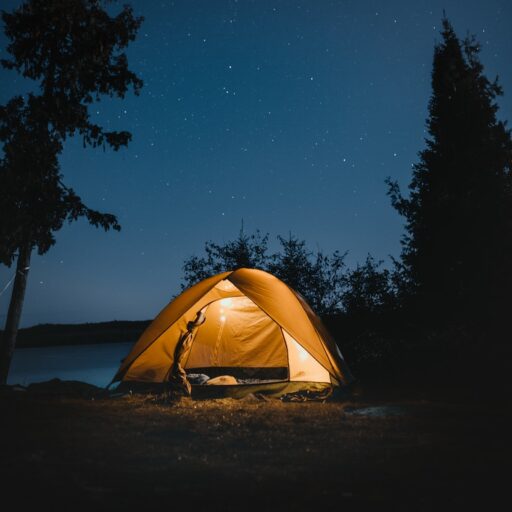
If there’s one item that consistently tops many “most important” lists, it’s the tent. As OutdoorGearLab rightly emphasizes, “A solid tent means you stay dry, warm, and get a good night’s sleep.” We couldn’t agree more! Your tent is your primary defense against the elements, your private sanctuary, and often, the heart of your campsite. Without adequate shelter, a sudden downpour or a chilly night can quickly turn an exciting trip into a miserable one.
The first YouTube video also highlights tents as essential for protection, suggesting “starter tents from big box stores are sufficient” for beginners, with more expensive canvas tents being an investment for later. They also stress the importance of a tarp or rain fly for crucial weather protection.
Why it’s crucial:
- Protection from Elements: Rain, wind, sun, snow – your tent shields you from it all.
- Insect and Wildlife Barrier: Keeps creepy crawlies and curious critters out of your sleeping space.
- Warmth and Insulation: Traps body heat, providing crucial warmth on cold nights.
- Privacy and Security: A personal space in the great outdoors.
Our Top Tent Recommendations:
| Aspect | Design | Functionality | Durability | Ease of Setup | Value | Overall Rating |
|---|---|---|---|---|---|---|
| The North Face Wawona 6 | 9 | 9 | 9 | 8 | 7 | 8.4 |
| Fanttik Zeta C6 Pro | 8 | 8 | 7 | 9 | 9 | 8.2 |
| Coleman Skydome XL 8 | 7 | 8 | 7 | 8 | 9 | 7.8 |
The North Face Wawona 6
This tent is a true workhorse for family and car campers. We’ve used it on countless trips, from sunny weekends to unexpected thunderstorms, and it consistently delivers. Its spacious design with a massive vestibule means you have plenty of room for gear storage or even a small table. The durability of the materials and poles gives us peace of mind, knowing it can withstand various conditions. Setup is relatively straightforward for a tent of its size, though it’s easier with two people.
- Features: Large vestibule, high ceilings, durable fabric, easy-pitch design.
- Benefits: Excellent weather protection, ample space, good ventilation.
- Drawbacks: Heavier and bulkier than backpacking tents, higher price point.
👉 CHECK PRICE on:
- The North Face Wawona 6: Amazon | REI | The North Face Official Website
Fanttik Zeta C6 Pro
For those seeking a balance of quick setup and decent performance, the Fanttik Zeta C6 Pro is a strong contender. It’s often praised for its innovative design that makes pitching a breeze, perfect for campers who want to spend less time wrestling with poles and more time enjoying nature. While not as robust as the Wawona 6 for extreme weather, it’s an excellent choice for fair-weather camping and offers great value.
- Features: Pop-up or quick-pitch mechanism, good ventilation, compact packed size.
- Benefits: Extremely fast setup, lightweight for its capacity, budget-friendly.
- Drawbacks: May not withstand heavy winds or prolonged rain as well as more robust tents.
👉 CHECK PRICE on:
- Fanttik Zeta C6 Pro: Amazon | Fanttik Official Website
Coleman Skydome XL 8
When you need serious space without breaking the bank, the Coleman Skydome XL 8 is a fantastic option. It’s a favorite among large families or groups who prioritize room to stretch out. Coleman has a long-standing reputation for reliable, affordable camping gear, and this tent lives up to it. It’s easy to set up for its size and offers good protection for general camping.
- Features: Wide door, near-vertical walls for more headroom, strong frame, weathertec system.
- Benefits: Very spacious, excellent value, good for car camping.
- Drawbacks: Can be heavy and bulky, not ideal for backpacking.
👉 CHECK PRICE on:
- Coleman Skydome XL 8: Amazon | Walmart | Coleman Official Website
Remember, your tent choice is personal. Consider the number of campers, the weather you expect, and how you’ll transport it. For more detailed insights, check out our Camping Gear Reviews on tents!
1.2 Sleeping Bags and Camp Bedding: Sleep Like a Baby
After a long day of hiking, exploring, or just relaxing by the fire, a good night’s sleep is paramount. This is where your sleeping bag and camp bedding come into play. The first YouTube video wisely points out that a sleeping bag or system and a sleeping pad are “vital for insulation from the ground,” advising against thick air mattresses that don’t insulate well. They also highly recommend a pillow for comfort. We’ve all been there – a cold, sleepless night can ruin the next day’s adventure.
Why it’s crucial:
- Insulation: Keeps you warm by trapping body heat, preventing hypothermia.
- Comfort: A good pad and pillow make a huge difference in sleep quality.
- Hygiene: Provides a clean, personal sleeping surface.
Our Top Sleeping System Recommendations:
| Aspect | Warmth | Comfort | Packability | Durability | Value | Overall Rating |
|---|---|---|---|---|---|---|
| REI Co-op Magma 15 Sleeping Bag | 9 | 8 | 9 | 8 | 8 | 8.4 |
| Therm-a-Rest NeoAir XLite Sleeping Pad | 9 | 8 | 10 | 7 | 7 | 8.2 |
| Sea to Summit Aeros Premium Pillow | 7 | 9 | 9 | 8 | 8 | 8.2 |
REI Co-op Magma 15 Sleeping Bag
This sleeping bag is a perennial favorite among our team for its excellent warmth-to-weight ratio and comfort. Rated for 15°F (-9°C), it’s versatile enough for three-season camping and even some colder shoulder-season trips. The responsibly sourced down insulation is incredibly compressible, making it easy to pack. We’ve found its mummy shape snug but not restrictive, and the draft collar keeps cold air out.
- Features: 850-fill-power goose down, DWR-treated shell, draft collar, anti-snag zipper.
- Benefits: Lightweight, highly compressible, very warm, durable.
- Drawbacks: Higher price point, mummy shape isn’t for everyone.
👉 CHECK PRICE on:
Therm-a-Rest NeoAir XLite Sleeping Pad
A sleeping bag is only half the equation; insulation from the cold ground is equally important. The Therm-a-Rest NeoAir XLite is a game-changer. Its incredible warmth (R-value of 4.2) for its minimal weight and packed size makes it a backpacking and car camping essential. We’ve tried many pads, and this one consistently delivers superior comfort and insulation without adding bulk.
- Features: Triangular Core Matrix™ construction, WingLock™ valve, lightweight fabric.
- Benefits: Exceptional warmth-to-weight, very comfortable, incredibly compact.
- Drawbacks: Can be noisy when shifting, requires inflation (though quick with pump sack).
👉 CHECK PRICE on:
- Therm-a-Rest NeoAir XLite Sleeping Pad: Amazon | REI | Therm-a-Rest Official Website
Sea to Summit Aeros Premium Pillow
Don’t underestimate the power of a good pillow! While the video suggests a regular pillow from home, we find a dedicated camp pillow like the Sea to Summit Aeros Premium Pillow to be a worthwhile upgrade. It’s surprisingly comfortable for an inflatable pillow, offering excellent head and neck support, and packs down to almost nothing. No more wadding up jackets!
- Features: Brushed 50D polyester knit fabric, synthetic fill for comfort, multi-function valve.
- Benefits: Very comfortable, extremely compact and lightweight, easy to inflate/deflate.
- Drawbacks: Can feel a bit “bouncy” for some, requires inflation.
👉 CHECK PRICE on:
- Sea to Summit Aeros Premium Pillow: Amazon | REI | Sea to Summit Official Website
1.3 Cooking Gear and Camp Kitchen Essentials
Let’s be honest, part of the joy of camping is the food! Cooking outdoors, whether it’s a simple hot dog or a gourmet stir-fry, is a quintessential camping experience. The first YouTube video strongly recommends a camp stove (like the Camp Chef Everest 2X), along with propane, cookware, and basic enamel dishes. They also suggest a cooler (which we’ll cover separately) and a collapsible sink for washing dishes.
Why it’s crucial:
- Sustenance: Provides hot meals and drinks, essential for energy and morale.
- Safety: Cooked food is safer to consume than raw, especially in the wilderness.
- Comfort: A warm meal on a cold night is pure bliss.
Our Top Camp Kitchen Recommendations:
| Aspect | Design | Functionality | Portability | Durability | Value | Overall Rating |
|---|---|---|---|---|---|---|
| Camp Chef Everest 2X Stove | 8 | 9 | 7 | 9 | 8 | 8.2 |
| GSI Outdoors Pinnacle Base Camp Cookset | 9 | 9 | 8 | 8 | 7 | 8.2 |
| Jetboil Flash Cooking System | 9 | 10 | 10 | 8 | 7 | 8.8 |
Camp Chef Everest 2X Stove
This two-burner stove is a powerhouse for car camping. We’ve cooked everything from pancakes to pasta on it, and its powerful burners and precise flame control make it a joy to use. It’s robust, easy to clean, and connects easily to standard propane tanks (either small green bottles or a larger refillable tank with an adapter). It’s a bit heavy, but for car camping, its performance is unmatched.
- Features: Two 20,000 BTU burners, matchless ignition, nickel-plated steel cooking grate.
- Benefits: High heat output, excellent simmer control, durable construction.
- Drawbacks: Heavier and bulkier, requires propane fuel.
👉 CHECK PRICE on:
- Camp Chef Everest 2X Stove: Amazon | Walmart | Camp Chef Official Website
GSI Outdoors Pinnacle Base Camp Cookset
For a comprehensive and organized cooking solution, the GSI Outdoors Pinnacle Base Camp Cookset is fantastic. It includes pots, a frying pan, plates, bowls, and mugs, all nesting together perfectly. The non-stick coating makes cooking and cleaning a breeze, and the included pot gripper is surprisingly effective. This set is ideal for groups and ensures you have all the necessary cookware without taking up too much space.
- Features: Non-stick coating, nesting design, includes plates, bowls, mugs, and pot gripper.
- Benefits: Complete set, easy to clean, compact storage.
- Drawbacks: Not ultralight for backpacking, plastic components may not be as durable as metal.
👉 CHECK PRICE on:
- GSI Outdoors Pinnacle Base Camp Cookset: Amazon | REI | GSI Outdoors Official Website
Jetboil Flash Cooking System
If speed and efficiency are your priorities, especially for boiling water for dehydrated meals, coffee, or tea, the Jetboil Flash is unparalleled. It can boil water in under two minutes, making it perfect for quick meals or hot drinks on the go. We often bring this even on car camping trips for a fast morning coffee, alongside our larger stove. It’s a backpacking staple for a reason!
- Features: Integrated cooking system, FluxRing technology, push-button igniter, color-changing heat indicator.
- Benefits: Extremely fast boil times, compact, fuel-efficient.
- Drawbacks: Primarily for boiling water, limited cooking versatility, requires specific fuel canisters.
👉 CHECK PRICE on:
- Jetboil Flash Cooking System: Amazon | REI | Jetboil Official Website
Don’t forget basic cutlery, a cutting board, oven mitts, and dish towels! Thrift store finds are great for basic cookware, as the video suggests. For more ideas on what to whip up outdoors, check out our Camping Food and Nutrition section.
1.4 Lighting and Navigation Tools
When the sun sets, the wilderness transforms. Suddenly, finding your way to the restroom, setting up camp in the dark, or even just reading a book in your tent becomes a challenge without proper lighting. And if you’re venturing beyond the well-trodden path, navigation tools are not just helpful, they’re life-saving. The first YouTube video mentions “some form of light (headlamp, flashlight, string lights)” as essential for navigating at night.
Why it’s crucial:
- Safety: Prevents trips, falls, and helps you see potential hazards in the dark.
- Convenience: Allows you to perform tasks after dark, from cooking to packing.
- Emergency: Essential for signaling or finding your way if lost.
- Direction: Prevents getting lost and ensures you stay on your planned route.
Our Top Lighting and Navigation Recommendations:
| Aspect | Brightness | Battery Life | Durability | Ease of Use | Value | Overall Rating |
|---|---|---|---|---|---|---|
| Black Diamond Spot 400 Headlamp | 9 | 8 | 9 | 9 | 8 | 8.6 |
| Garmin inReach Mini 2 | N/A | 9 | 9 | 8 | 6 | 8.4 |
| Suunto MC-2 Compass | N/A | N/A | 10 | 9 | 9 | 9.3 |
Black Diamond Spot 400 Headlamp
A headlamp is arguably the most important lighting tool for camping. It keeps your hands free, which is invaluable when setting up a tent in the dark, cooking, or performing any task. The Black Diamond Spot 400 is a team favorite for its impressive brightness (400 lumens), multiple lighting modes (including red night vision), and water resistance. We’ve dropped it, rained on it, and it keeps on shining.
- Features: 400 lumens, PowerTap technology, red night vision, IPX8 waterproof rating.
- Benefits: Hands-free operation, versatile lighting modes, durable and weather-resistant.
- Drawbacks: Requires AAA batteries (though rechargeable versions exist), can be uncomfortable for some on long wear.
👉 CHECK PRICE on:
- Black Diamond Spot 400 Headlamp: Amazon | REI | Black Diamond Official Website
Garmin inReach Mini 2
For serious backcountry adventures, a satellite communicator like the Garmin inReach Mini 2 is a non-negotiable safety item. While not strictly “navigation” in the traditional sense, it provides two-way satellite messaging, SOS capabilities, and basic navigation features (breadcrumb trail). We’ve heard countless stories of this device saving lives by allowing communication outside of cell service. It’s an investment, but what’s peace of mind worth?
- Features: Two-way satellite messaging, interactive SOS, TracBack routing, digital compass.
- Benefits: Global communication, emergency assistance, compact and lightweight.
- Drawbacks: Requires a subscription plan, higher initial cost, small screen for navigation.
👉 CHECK PRICE on:
- Garmin inReach Mini 2: Amazon | REI | Garmin Official Website
Suunto MC-2 Compass
Even with advanced GPS devices, a reliable map and compass are fundamental navigation tools. Batteries die, electronics fail, but a good compass rarely lets you down. The Suunto MC-2 is a professional-grade compass known for its accuracy, durability, and useful features like a sighting mirror and declination adjustment. Learning how to use one is a crucial skill for any outdoor enthusiast.
- Features: Sighting mirror, declination adjustment, luminous markings, liquid-filled capsule.
- Benefits: Highly accurate, extremely durable, no batteries required, essential survival tool.
- Drawbacks: Requires knowledge to use effectively, less convenient than GPS for quick checks.
👉 CHECK PRICE on:
- Suunto MC-2 Compass: Amazon | REI | Suunto Official Website
Don’t forget extra batteries for your headlamp and a power bank for charging devices! For more on staying found, check out our Camping and Hiking Apps section, but always carry a physical map and compass as a backup.
1.5 Safety and First Aid Kits
If there’s one item that the first YouTube video unequivocally places at the top of the “most important” list, it’s a First Aid Kit. They emphasize prioritizing safety first, and we wholeheartedly agree. “A decent first aid kit is essential,” they state, detailing items for cleaning and bandaging wounds, pain relief, and addressing stings or allergic reactions. This isn’t just about comfort; it’s about preventing minor issues from becoming major emergencies.
Why it’s crucial:
- Emergency Response: Addresses injuries and illnesses quickly, potentially saving lives.
- Prevention: Proper care of minor wounds prevents infection.
- Peace of Mind: Knowing you’re prepared for the unexpected reduces anxiety.
Our Top First Aid Kit Recommendations:
| Aspect | Contents | Organization | Portability | Durability | Value | Overall Rating |
|---|---|---|---|---|---|---|
| Adventure Medical Kits Mountain Series Hiker | 9 | 9 | 9 | 8 | 8 | 8.6 |
| MyMedic MyFAK Mini | 8 | 9 | 9 | 9 | 7 | 8.4 |
Adventure Medical Kits Mountain Series Hiker
This kit is designed specifically for day hikes and short camping trips, making it perfect for most campers. It’s compact, lightweight, and packed with essential supplies for common outdoor injuries and ailments. We appreciate its organized internal pockets and the clear instructions for each item. It includes everything from bandages and antiseptic wipes to moleskin for blisters and pain relievers.
- Features: Comprehensive contents for 1-2 people, waterproof bag, organized compartments, wilderness first aid guide.
- Benefits: Lightweight and portable, well-stocked for common injuries, easy to find items.
- Drawbacks: May not be sufficient for multi-day trips or larger groups without supplementing.
👉 CHECK PRICE on:
- Adventure Medical Kits Mountain Series Hiker: Amazon | REI | Adventure Medical Kits Official Website
MyMedic MyFAK Mini
For a more robust and customizable option, the MyMedic MyFAK Mini is an excellent choice. It’s a bit larger but offers a wider range of supplies, including items for trauma care. We love its modular design and high-quality components. While it comes pre-stocked, MyMedic allows for easy customization, so you can add specific medications or tools relevant to your group’s needs, like prescription meds, tick removers, or Benadryl, as the video suggests.
- Features: Tear-away pouch, comprehensive trauma and everyday essentials, durable construction.
- Benefits: Highly organized, customizable, high-quality medical supplies, very durable.
- Drawbacks: Higher price point, heavier than basic kits, may be overkill for very short trips.
👉 CHECK PRICE on:
- MyMedic MyFAK Mini: Amazon | MyMedic Official Website
Beyond the Kit: Remember to personalize your first aid kit with any prescription medications you or your group might need. The video also recommends an emergency Mylar blanket, a pocket knife (which we’ll cover later), and hand warmers – all excellent additions! Knowing basic first aid is just as important as having the supplies. Consider taking a wilderness first aid course!
1.6 Clothing and Weather Protection
“There’s no such thing as bad weather, only bad clothing.” This old adage rings especially true when camping. Proper clothing, layered strategically, is absolutely critical for comfort and safety. The first YouTube video wisely points out that “good socks (synthetic or merino wool for moisture-wicking) and a good base layer (thermals/long johns, synthetic or merino wool) will improve comfort and help stay dry and warm.” We’ve seen too many campers suffer because they underestimated the importance of appropriate attire.
Why it’s crucial:
- Temperature Regulation: Keeps you warm in the cold and cool in the heat.
- Moisture Management: Wicks sweat away, preventing chilling and discomfort.
- Protection: Shields you from sun, wind, rain, insects, and abrasions.
- Safety: Prevents hypothermia and heatstroke, which can be life-threatening.
Our Top Clothing Layering Recommendations:
| Layer Type | Material | Functionality | Comfort | Durability | Value | Overall Rating |
|---|---|---|---|---|---|---|
| Base Layer (e.g., Smartwool Merino 250) | Merino Wool | 9 | 9 | 8 | 7 | 8.6 |
| Mid Layer (e.g., Patagonia Better Sweater) | Fleece | 8 | 9 | 9 | 7 | 8.6 |
| Outer Shell (e.g., Marmot PreCip Eco Jacket) | Waterproof/Breathable | 9 | 8 | 8 | 8 | 8.6 |
Base Layer: Smartwool Merino 250 Crew
Your base layer is your first line of defense against the elements. We swear by merino wool for its incredible ability to regulate temperature, wick moisture, and resist odor. The Smartwool Merino 250 Crew is a perfect example – it’s warm, soft against the skin, and can be worn for days without smelling. This is crucial for multi-day trips where laundry isn’t an option.
- Features: 100% merino wool, flatlock seams, interlock knit.
- Benefits: Excellent temperature regulation, moisture-wicking, odor-resistant, soft.
- Drawbacks: More expensive than synthetics, can be less durable than synthetics if not cared for.
👉 CHECK PRICE on:
- Smartwool Merino 250 Crew: Amazon | REI | Smartwool Official Website
Mid Layer: Patagonia Better Sweater Fleece Jacket
The mid-layer provides insulation and warmth. Fleece is a fantastic choice because it’s lightweight, breathable, and retains warmth even when damp. The Patagonia Better Sweater Fleece Jacket is a classic for a reason. It’s comfortable, stylish enough for town, and provides reliable warmth around camp or during cooler hikes.
- Features: 100% recycled polyester fleece, full-zip design, zippered handwarmer pockets.
- Benefits: Warm, comfortable, durable, made from recycled materials.
- Drawbacks: Not windproof or waterproof, can be bulky.
👉 CHECK PRICE on:
- Patagonia Better Sweater Fleece Jacket: Amazon | REI | Patagonia Official Website
Outer Shell: Marmot PreCip Eco Jacket
Your outer shell is your shield against wind and rain. The Marmot PreCip Eco Jacket is a fantastic, eco-friendly option that offers reliable waterproof and breathable protection without a hefty price tag. It’s lightweight, packs down small, and has features like pit zips for ventilation – essential when you’re working up a sweat in the rain.
- Features: Marmot NanoPro™ Eco fabric, 100% seam-taped, pit zips, adjustable hood.
- Benefits: Waterproof, breathable, lightweight, environmentally conscious, good value.
- Drawbacks: Not as durable as higher-end Gore-Tex jackets, can feel a bit clammy in humid conditions.
👉 CHECK PRICE on:
- Marmot PreCip Eco Jacket: Amazon | REI | Marmot Official Website
Don’t forget the socks! As the video mentions, good socks are crucial. We recommend Darn Tough Hiker Micro Crew Cushion Socks made from merino wool for their durability, comfort, and moisture-wicking properties. They even come with a lifetime guarantee!
👉 CHECK PRICE on:
- Darn Tough Hiker Micro Crew Cushion Socks: Amazon | REI | Darn Tough Official Website
1.7 Hydration and Water Purification
Water is not just important; it’s absolutely essential for survival. You can go days without food, but only hours without water, especially when exerting yourself outdoors. The first YouTube video highlights the need for a way to carry and store water, mentioning a 7-gallon jug for car camping and a water filter for remote areas. This is a critical aspect of camping preparation that cannot be overlooked.
Why it’s crucial:
- Survival: Prevents dehydration, which can lead to fatigue, confusion, and serious health issues.
- Health: Clean water prevents waterborne illnesses.
- Comfort: Staying hydrated keeps you energized and feeling good.
Our Top Hydration and Purification Recommendations:
| Aspect | Capacity | Filtration Rate | Portability | Durability | Value | Overall Rating |
|---|---|---|---|---|---|---|
| Platypus GravityWorks 4.0L Filter System | 9 | 9 | 8 | 8 | 8 | 8.4 |
| Nalgene Wide Mouth Water Bottle | 9 | N/A | 7 | 10 | 10 | 9.0 |
| Reliance Products Aqua-Tainer 7 Gallon Water Container | 10 | N/A | 6 | 8 | 9 | 8.6 |
Platypus GravityWorks 4.0L Filter System
For purifying water in the backcountry, a gravity filter is a game-changer. The Platypus GravityWorks 4.0L system is incredibly efficient. Simply fill the “dirty” bag from a water source, hang it, and gravity does the rest, filtering water into a “clean” bag or directly into bottles. We’ve relied on this system for group trips and found it to be fast, reliable, and easy to use. It removes bacteria and protozoa, making most natural water sources safe to drink.
- Features: Gravity-fed system, filters 4 liters in 2.5 minutes, removes bacteria/protozoa, includes dirty and clean reservoirs.
- Benefits: Fast, easy to use, no pumping required, great for groups.
- Drawbacks: Can be bulky, requires a clean water source, filter needs backflushing.
👉 CHECK PRICE on:
- Platypus GravityWorks 4.0L Filter System: Amazon | REI | Platypus Official Website
Nalgene Wide Mouth Water Bottle
Sometimes, the simplest tools are the best. The Nalgene Wide Mouth Water Bottle is an iconic piece of camping gear for a reason. It’s virtually indestructible, easy to clean, and the wide mouth allows for easy filling, adding ice, or even using it as a makeshift hot water bottle on a cold night. We always carry at least one, often more, for personal hydration and camp tasks.
- Features: BPA/BPS-free Tritan plastic, wide mouth, leakproof cap, measurement markings.
- Benefits: Extremely durable, versatile, easy to clean, affordable.
- Drawbacks: Can be bulky, not insulated (water gets warm/cold quickly).
👉 CHECK PRICE on:
- Nalgene Wide Mouth Water Bottle: Amazon | Walmart | Nalgene Official Website
Reliance Products Aqua-Tainer 7 Gallon Water Container
For car camping, having a large, easily accessible water supply is invaluable. The Reliance Products Aqua-Tainer is a classic choice, offering a 7-gallon capacity (as mentioned in the video) that can easily sustain a family for a weekend. Its sturdy design and integrated spigot make it perfect for camp kitchen use, hand washing, or refilling smaller bottles.
- Features: 7-gallon capacity, durable BPA-free plastic, hideaway spigot, molded handle.
- Benefits: Large capacity, convenient spigot, durable for car camping.
- Drawbacks: Heavy when full, bulky to transport, not suitable for backpacking.
👉 CHECK PRICE on:
Always carry more water than you think you’ll need, and have a backup purification method (like purification tablets) just in case!
1.8 Multi-tools and Repair Kits
The wilderness is unpredictable, and gear can break. A loose screw, a frayed rope, a dull knife – these minor inconveniences can quickly escalate if you don’t have the right tools. A multi-tool is like a miniature toolbox in your pocket, and a basic repair kit can save a trip from being cut short. The first YouTube video mentions a pocket knife and a hatchet as useful tools for processing firewood, highlighting the need for versatile implements.
Why it’s crucial:
- Problem Solving: Fixes minor gear malfunctions, preventing bigger issues.
- Versatility: Combines multiple tools into one compact unit.
- Safety: Can be used for first aid, fire starting, or emergency shelter construction.
Our Top Multi-tool and Repair Kit Recommendations:
| Aspect | Tools Included | Functionality | Portability | Durability | Value | Overall Rating |
|---|---|---|---|---|---|---|
| Leatherman Wave+ Multi-tool | 9 | 9 | 8 | 10 | 8 | 8.8 |
| Gear Aid Tenacious Tape Repair Kit | N/A | 10 | 10 | 9 | 9 | 9.6 |
Leatherman Wave+ Multi-tool
If we had to pick just one tool to carry, it would be the Leatherman Wave+. It’s a true classic for a reason, offering an impressive array of 18 tools including pliers, wire cutters, knives, saws, scissors, and screwdrivers. We’ve used ours for everything from tightening tent poles to opening stubborn cans and even performing minor first aid. Its robust construction means it can handle serious abuse.
- Features: 18 tools (pliers, knives, saw, scissors, files, screwdrivers), one-hand opening blades, replaceable wire cutters.
- Benefits: Extremely versatile, durable, compact, essential for problem-solving.
- Drawbacks: Can be heavy for ultralight backpacking, higher price point.
👉 CHECK PRICE on:
- Leatherman Wave+ Multi-tool: Amazon | Walmart | Leatherman Official Website
Gear Aid Tenacious Tape Repair Kit
This isn’t just tape; it’s a miracle worker! The Gear Aid Tenacious Tape Repair Kit is a small, lightweight essential that can patch rips in tents, sleeping bags, jackets, and even inflatable pads. We’ve used it to extend the life of countless pieces of gear, saving us from cold nights and wet sleeping bags. It’s incredibly sticky, durable, and works on almost any fabric.
- Features: Ultra-strong adhesive, clear and flexible, waterproof, machine washable.
- Benefits: Repairs gear quickly and effectively, extends gear lifespan, lightweight and compact.
- Drawbacks: Can leave residue if removed, not suitable for structural repairs.
👉 CHECK PRICE on:
- Gear Aid Tenacious Tape Repair Kit: Amazon | REI | Gear Aid Official Website
Other useful repair items: Duct tape (wrapped around a pen), zip ties, safety pins, and a small sewing kit can also be incredibly handy. Don’t forget a good camp knife, like a Mora Companion Fixed Blade Knife, for general utility tasks and food prep.
👉 CHECK PRICE on:
1.9 Fire Starting Equipment
A campfire is more than just a source of warmth; it’s the heart of the campsite, a place for cooking, storytelling, and comfort. But starting one without the right tools can be frustrating, or worse, impossible in wet conditions. The first YouTube video lists a lighter or flint and steel as necessary, along with fire starter plugs. We always carry multiple methods because, as any seasoned camper knows, redundancy is key when it comes to fire.
Why it’s crucial:
- Warmth: Provides heat for comfort and survival in cold weather.
- Cooking: Essential for preparing hot meals and boiling water.
- Morale: A crackling fire creates a comforting and social atmosphere.
- Safety: Can be used for signaling in emergencies and deterring some wildlife.
Our Top Fire Starting Recommendations:
| Aspect | Reliability | Ease of Use | Durability | Portability | Value | Overall Rating |
|---|---|---|---|---|---|---|
| BIC Lighter (Multi-pack) | 9 | 10 | 7 | 10 | 10 | 9.2 |
| Light My Fire Swedish FireSteel 2.0 | 10 | 8 | 10 | 9 | 9 | 9.2 |
| UST WetFire Tinder | 10 | 9 | 9 | 10 | 9 | 9.6 |
BIC Lighter (Multi-pack)
You might think it’s too simple, but a few reliable BIC lighters are our go-to for quick and easy fire starting. They’re cheap, lightweight, and incredibly effective in most conditions. We always pack several, keeping one easily accessible and others as backups in waterproof bags. Just make sure they’re full!
- Features: Disposable, pre-filled with butane, simple flint wheel ignition.
- Benefits: Extremely easy to use, lightweight, inexpensive, readily available.
- Drawbacks: Can fail in very wet or windy conditions, limited fuel capacity.
👉 CHECK PRICE on:
Light My Fire Swedish FireSteel 2.0
For a more robust, all-weather fire starting solution, a ferro rod like the Light My Fire Swedish FireSteel 2.0 is indispensable. It throws hot sparks (3,000°C / 5,500°F) even when wet, making it a reliable backup or primary fire starter. It takes a bit of practice to master, but once you do, you’ll feel like a true survivalist. We’ve started countless fires with these, even in pouring rain.
- Features: Durable ferrocerium rod, integrated striker, produces hot sparks.
- Benefits: Works in all weather conditions, long-lasting, no fuel required, reliable.
- Drawbacks: Requires practice to use effectively, needs good tinder.
👉 CHECK PRICE on:
- Light My Fire Swedish FireSteel 2.0: Amazon | REI | Light My Fire Official Website
UST WetFire Tinder
Even the best fire starter is useless without good tinder. UST WetFire Tinder is our absolute favorite for its ability to ignite and burn even when wet. These small cubes are incredibly effective, providing a long-lasting, hot flame that can help you get larger kindling going. They’re lightweight and waterproof, making them a perfect addition to any fire kit.
- Features: Waterproof, non-toxic, odorless, burns for several minutes.
- Benefits: Ignites easily even when wet, long burn time, lightweight and compact.
- Drawbacks: Single-use, can be a bit crumbly.
👉 CHECK PRICE on:
- UST WetFire Tinder: Amazon | Walmart | Ultimate Survival Technologies Official Website
Remember to bring local firewood to prevent the spread of forest diseases, as the video advises. And always check local fire regulations before lighting up!
1.10 Food Storage and Coolers
Keeping your food fresh, safe, and away from curious critters is a major part of successful camping. Nobody wants spoiled food or a midnight visit from a hungry raccoon! The first YouTube video emphasizes the need for a cooler for cold food and secure dry food storage to protect from bears, raccoons, mice, and other pests. They mention rotomolded coolers like Canyon or Kong for bear-resistant areas, but also note that a simple Coleman cooler is fine for beginners.
Why it’s crucial:
- Food Safety: Prevents spoilage and foodborne illnesses.
- Wildlife Protection: Keeps animals from accessing your food and becoming habituated to human presence.
- Convenience: Organizes your food and drinks.
Our Top Food Storage Recommendations:
| Aspect | Ice Retention | Durability | Portability | Security | Value | Overall Rating |
|---|---|---|---|---|---|---|
| YETI Tundra 45 Cooler | 9 | 10 | 7 | 9 | 6 | 8.2 |
| Coleman Xtreme 50-Quart Cooler | 7 | 8 | 8 | 7 | 9 | 8.0 |
| BearVault BV500 Food Container | N/A | 10 | 7 | 10 | 7 | 8.8 |
YETI Tundra 45 Cooler
When it comes to ice retention and sheer ruggedness, YETI coolers are legendary. The Tundra 45 is a fantastic size for weekend trips, offering exceptional insulation that keeps ice frozen for days. We’ve put ours through the wringer, and it’s practically indestructible. While it’s a significant investment, its bear-resistant certification (when locked) and longevity make it worthwhile for serious campers.
- Features: PermaFrost™ Insulation, T-Rex™ Lid Latches, BearFoot™ Non-Slip Feet, certified bear-resistant.
- Benefits: Superior ice retention, extremely durable, bear-resistant, premium build quality.
- Drawbacks: Very heavy, expensive, bulky.
👉 CHECK PRICE on:
- YETI Tundra 45 Cooler: Amazon | REI | YETI Official Website
Coleman Xtreme 50-Quart Cooler
For those who need excellent performance without the premium price tag, the Coleman Xtreme 50-Quart Cooler is a fantastic choice. It offers impressive ice retention (up to 5 days), especially for its price point, and is a staple for many car campers. It’s lighter and easier to transport than rotomolded coolers, making it a great all-around option for family trips.
- Features: Xtreme® technology for extended ice retention, comfortable grip handles, cup holders on lid.
- Benefits: Excellent value, good ice retention, lighter than rotomolded coolers, durable enough for general use.
- Drawbacks: Not bear-resistant, less durable than premium coolers, can be bulky.
👉 CHECK PRICE on:
- Coleman Xtreme 50-Quart Cooler: Amazon | Walmart | Coleman Official Website
BearVault BV500 Food Container
For backcountry camping where bears are a concern, a bear-resistant food container is often mandatory. The BearVault BV500 is a popular choice, offering a large capacity in a rugged, transparent design. We’ve used these extensively in bear country, and they’ve proven their worth time and again. It’s a simple, effective way to secure your dry food and scented items.
- Features: Transparent, wide opening, tool-free access, approved by Interagency Grizzly Bear Committee (IGBC).
- Benefits: Bear-resistant, easy to pack and access food, durable.
- Drawbacks: Can be bulky and heavy, requires careful packing.
👉 CHECK PRICE on:
- BearVault BV500 Food Container: Amazon | REI | BearVault Official Website
Remember to always store food, trash, and scented items properly, whether in a cooler, bear canister, or hung from a tree, to protect wildlife and your campsite.
1.11 Backpacks and Packing Solutions
You’ve got all this amazing gear, but how are you going to get it from your car to your campsite, or even miles into the backcountry? That’s where a reliable backpack comes in. It’s not just a bag; it’s your mobile storage unit, designed to comfortably carry your essentials. For car camping, a sturdy duffel or storage bins might suffice, but for any kind of hiking, a well-fitting backpack is paramount.
Why it’s crucial:
- Portability: Allows you to transport all your gear efficiently.
- Comfort: A properly fitted pack distributes weight, preventing strain and injury.
- Organization: Keeps your gear accessible and protected.
Our Top Backpack Recommendations:
| Aspect | Capacity | Comfort | Organization | Durability | Value | Overall Rating |
|---|---|---|---|---|---|---|
| Osprey Atmos AG 65 (Men’s) / Aura AG 65 (Women’s) | 9 | 10 | 9 | 9 | 7 | 8.8 |
| Deuter Aircontact Lite 65+10 | 9 | 9 | 8 | 9 | 8 | 8.6 |
| REI Co-op Big Haul 60 Duffel | 8 | 7 | 7 | 9 | 9 | 8.0 |
Osprey Atmos AG 65 (Men’s) / Aura AG 65 (Women’s)
For multi-day backpacking trips, the Osprey Atmos AG (men’s) and Aura AG (women’s) are legendary. Their Anti-Gravity™ suspension system is a revelation, making heavy loads feel significantly lighter and more comfortable. We’ve hiked countless miles with these packs, and the ventilation and load distribution are unmatched. They’re packed with features for organization and accessibility.
- Features: Anti-Gravity™ suspension, adjustable torso length, multiple pockets, integrated raincover.
- Benefits: Exceptional comfort, excellent ventilation, great load distribution, durable.
- Drawbacks: Higher price point, can be overkill for short trips, some find the frame bulky.
👉 CHECK PRICE on:
- Osprey Atmos AG 65: Amazon | REI | Osprey Official Website
- Osprey Aura AG 65: Amazon | REI | Osprey Official Website
Deuter Aircontact Lite 65+10
Another excellent choice for backpacking, the Deuter Aircontact Lite offers a great balance of comfort, capacity, and value. Its Aircontact Lite back system provides good ventilation and load transfer, making it comfortable for long hauls. We appreciate its thoughtful design, including a separate bottom compartment and multiple attachment points. It’s a solid, reliable workhorse.
- Features: Aircontact Lite back system, adjustable VariQuick system, separate bottom compartment, hydration system compatible.
- Benefits: Comfortable, good ventilation, durable, versatile capacity.
- Drawbacks: Not as many external pockets as some competitors, can be slightly heavier.
👉 CHECK PRICE on:
- Deuter Aircontact Lite 65+10: Amazon | REI | Deuter Official Website
REI Co-op Big Haul 60 Duffel
For car camping or shorter trips where you don’t need to carry your gear on your back for long distances, a durable duffel bag is perfect. The REI Co-op Big Haul 60 Duffel is incredibly tough, water-resistant, and features backpack straps for short carries. We use these for organizing communal gear, clothes, and even as a catch-all for dirty laundry. They’re built to last and offer great value.
- Features: Durable, weather-resistant fabric, removable backpack straps, internal compression straps.
- Benefits: Very durable, versatile (duffel or backpack), good capacity, excellent value.
- Drawbacks: Not designed for long-distance carrying, less internal organization than a dedicated backpack.
👉 CHECK PRICE on:
Choosing the right pack depends on your trip type. For more in-depth advice, check out our Backpacking Gear Basics!
1.12 Communication Devices and Emergency Beacons
In today’s connected world, it’s easy to assume your phone will work everywhere. But deep in the wilderness, cell service often vanishes. That’s why dedicated communication devices and emergency beacons are vital for safety, especially if you’re venturing into remote areas. We already touched on the Garmin inReach Mini 2 in the navigation section, but it bears repeating: a way to call for help is non-negotiable for serious trips.
Why it’s crucial:
- Emergency Contact: Allows you to send an SOS signal in life-threatening situations.
- Peace of Mind: Enables communication with loved ones when out of cell range.
- Location Tracking: Can provide your coordinates to rescuers.
Our Top Communication Device Recommendations:
| Aspect | Functionality | Reliability | Battery Life | Portability | Value | Overall Rating |
|---|---|---|---|---|---|---|
| Garmin inReach Mini 2 | 9 | 10 | 9 | 9 | 6 | 8.6 |
| Zoleo Satellite Communicator | 8 | 9 | 9 | 9 | 7 | 8.4 |
Garmin inReach Mini 2
As mentioned before, the Garmin inReach Mini 2 is a compact powerhouse. Its two-way satellite messaging allows you to send and receive texts anywhere in the world, and its interactive SOS feature connects you directly to a 24/7 search and rescue monitoring center. We’ve personally known people whose lives were saved by this device. It’s an essential piece of gear for anyone exploring beyond cell service.
- Features: Two-way satellite messaging, interactive SOS, TracBack routing, digital compass.
- Benefits: Global communication, emergency assistance, compact and lightweight.
- Drawbacks: Requires a subscription plan, higher initial cost, small screen for navigation.
👉 CHECK PRICE on:
- Garmin inReach Mini 2: Amazon | REI | Garmin Official Website
Zoleo Satellite Communicator
The Zoleo Satellite Communicator is another excellent option, often praised for its seamless integration with your smartphone via Bluetooth. It allows you to send messages via satellite, cellular, or Wi-Fi, automatically choosing the most cost-effective network. Its dedicated SOS button and check-in features provide crucial safety. It’s a user-friendly and reliable choice for staying connected.
- Features: Two-way satellite messaging, dedicated SOS button, check-in button, weather forecasts, app integration.
- Benefits: Seamless smartphone integration, global coverage, robust design, good battery life.
- Drawbacks: Requires a subscription, relies on smartphone for full messaging functionality.
👉 CHECK PRICE on:
- Zoleo Satellite Communicator: Amazon | REI | Zoleo Official Website
While cell phones are great for photos and quick checks in service areas, never rely on them as your sole communication or navigation device in the backcountry. Always have a dedicated satellite communicator or personal locator beacon (PLB) for emergencies.
1.13 Personal Hygiene and Sanitation Supplies
Camping doesn’t mean abandoning all hygiene! In fact, maintaining good personal hygiene is crucial for comfort, health, and preventing the spread of germs in the outdoors. Plus, nobody wants to be the smelly camper! From hand sanitizer to a trowel, these items ensure you leave no trace and stay fresh.
Why it’s crucial:
- Health: Prevents illness and skin irritations.
- Comfort: Feeling clean significantly improves your camping experience.
- Environmental Responsibility: Ensures proper waste disposal and leaves campsites pristine.
Our Top Hygiene and Sanitation Recommendations:
| Aspect | Effectiveness | Portability | Eco-Friendliness | Durability | Value | Overall Rating |
|---|---|---|---|---|---|---|
| Dr. Bronner’s Pure-Castile Liquid Soap | 9 | 8 | 10 | 9 | 9 | 9.0 |
| TheTentLab The Deuce #2 Trowel | N/A | 10 | N/A | 9 | 9 | 9.3 |
| Sea to Summit Wilderness Wipes | 8 | 9 | 8 | N/A | 8 | 8.3 |
Dr. Bronner’s Pure-Castile Liquid Soap
This is our go-to multi-purpose soap for camping. It’s biodegradable, concentrated, and can be used for everything from washing hands and dishes to showering (away from water sources, of course!). A small bottle goes a long way, and its natural ingredients mean less impact on the environment. Just remember to dilute it and use it at least 200 feet from any water source.
- Features: Concentrated, biodegradable, multi-purpose (body, hair, dishes, clothes).
- Benefits: Versatile, eco-friendly, effective, long-lasting.
- Drawbacks: Requires dilution, can be drying if not diluted properly.
👉 CHECK PRICE on:
- Dr. Bronner’s Pure-Castile Liquid Soap: Amazon | Walmart | Dr. Bronner’s Official Website
TheTentLab The Deuce #2 Trowel
For backcountry “business,” a lightweight trowel is essential for digging catholes and properly burying human waste. TheTentLab The Deuce #2 is incredibly lightweight (under 0.6 oz!) and surprisingly effective. It’s a simple tool that embodies the Leave No Trace principle of disposing of waste properly.
- Features: Ultralight aluminum, ergonomic design, serrated edge for roots.
- Benefits: Extremely lightweight, durable, effective for digging catholes.
- Drawbacks: Small size means more digging for larger holes.
👉 CHECK PRICE on:
- TheTentLab The Deuce #2 Trowel: Amazon | REI | TheTentLab Official Website
Sea to Summit Wilderness Wipes
When a full wash isn’t possible, these biodegradable wipes are a lifesaver. Sea to Summit Wilderness Wipes are thick, soft, and effectively clean without leaving a sticky residue. We use them for quick clean-ups after a dusty hike or before bed. Remember to pack them out – even if they’re biodegradable, they still need to be carried out of the wilderness.
- Features: Biodegradable bamboo viscose, pH-balanced, paraben-free, compact packaging.
- Benefits: Effective cleaning, soft, eco-friendly, convenient for quick washes.
- Drawbacks: Single-use, still need to be packed out.
👉 CHECK PRICE on:
- Sea to Summit Wilderness Wipes: Amazon | REI | Sea to Summit Official Website
Don’t forget hand sanitizer, a small quick-dry towel, and a toothbrush/toothpaste!
1.14 Entertainment and Camp Activities Gear
While the primary goal of camping is often to connect with nature, a little entertainment and comfort gear can significantly enhance the experience. After all, it’s a vacation! The first YouTube video mentions wanting to “sit down in a camp chair like this and be comfortable” and enjoying “really cold sodas” with a koozie. We agree – these items might not be “survival” essentials, but they are definitely “comfort” essentials that make camping truly enjoyable.
Why it’s crucial:
- Relaxation: Provides comfort and a place to unwind after activities.
- Socialization: Creates a comfortable gathering space.
- Enjoyment: Adds fun and leisure to your outdoor adventure.
Our Top Entertainment and Comfort Recommendations:
| Aspect | Comfort | Portability | Durability | Ease of Setup | Value | Overall Rating |
|---|---|---|---|---|---|---|
| Helinox Chair Zero | 8 | 10 | 9 | 9 | 7 | 8.6 |
| ENO DoubleNest Hammock | 9 | 9 | 9 | 8 | 8 | 8.6 |
| Anker PowerCore 20000 Portable Charger | N/A | 9 | 9 | 10 | 9 | 9.2 |
Helinox Chair Zero
For lightweight comfort, the Helinox Chair Zero is a marvel of engineering. It’s incredibly lightweight and compact, making it perfect for backpacking or when space is at a premium in the car. Despite its minimalist design, it’s surprisingly comfortable and supportive. We love having a proper chair to relax in after a long day, rather than perching on a log.
- Features: Advanced DAC aluminum alloy frame, compact packed size, comfortable seat.
- Benefits: Extremely lightweight, highly portable, surprisingly comfortable, durable.
- Drawbacks: Higher price point, low to the ground, not as robust as larger camp chairs.
👉 CHECK PRICE on:
- Helinox Chair Zero: Amazon | REI | Helinox Official Website
ENO DoubleNest Hammock
There’s nothing quite like lounging in a hammock among the trees. The ENO DoubleNest Hammock is a perennial favorite for its comfort, durability, and ease of setup. It’s big enough for two (or one very comfortable person) and packs down small. We often bring ours for relaxing at camp, reading a book, or just enjoying the view. Don’t forget the ENO Atlas Suspension Straps for easy, tree-friendly setup!
- Features: High-strength nylon taffeta, triple-stitched seams, integrated stuff sack.
- Benefits: Very comfortable, lightweight, easy to set up, durable, great for relaxation.
- Drawbacks: Requires two suitable trees, not suitable for sleeping in cold weather without insulation.
👉 CHECK PRICE on:
- ENO DoubleNest Hammock: Amazon | REI | ENO Official Website
- ENO Atlas Suspension Straps: Amazon | REI | ENO Official Website
Anker PowerCore 20000 Portable Charger
While we advocate for disconnecting, having a way to charge essential devices (like your phone for emergencies, GPS, or headlamp) is smart. The Anker PowerCore 20000 is a high-capacity power bank that can recharge a smartphone multiple times. We always keep one fully charged for longer trips, ensuring our devices are ready when we need them.
- Features: 20,000mAh capacity, PowerIQ and VoltageBoost technology, dual USB ports.
- Benefits: High capacity, fast charging, reliable, durable.
- Drawbacks: Heavier than smaller power banks, takes a while to fully recharge itself.
👉 CHECK PRICE on:
- Anker PowerCore 20000 Portable Charger: Amazon | Walmart | Anker Official Website
Other fun additions include a deck of cards, a good book, or even a portable Bluetooth speaker (used respectfully, of course!). And yes, a koozie for those cold sodas is a must for peak comfort, as the video suggests!
1.15 Miscellaneous Must-Haves
Finally, we have a category for those often-overlooked but incredibly useful items that can make a huge difference in your camping experience. These might not be “most important” in a survival sense, but they certainly contribute to comfort, convenience, and overall enjoyment.
Why it’s crucial:
- Convenience: Simplifies tasks and improves daily camp life.
- Comfort: Addresses minor irritations, making your trip more pleasant.
- Preparedness: Fills in gaps that other categories might miss.
Our Top Miscellaneous Must-Haves:
| Item | Functionality | Portability | Durability | Value | Overall Rating |
|---|---|---|---|---|---|
| Bug Spray (e.g., Sawyer Picaridin) | 9 | 9 | N/A | 8 | 8.7 |
| Sunscreen (e.g., Badger Sport Mineral Sunscreen) | 9 | 8 | N/A | 8 | 8.7 |
| Camp Shovel/Axe (e.g., Fiskars X7 Hatchet) | 8 | 7 | 9 | 9 | 8.2 |
| Camp Chairs (e.g., Coleman Quad Chair) | 8 | 7 | 8 | 9 | 8.0 |
Bug Spray: Sawyer Picaridin Insect Repellent
As the first YouTube video rightly states, bug spray or insect deterrents are “probably essential for much of the camping you’ll do if not most.” Mosquitoes, ticks, and other biting insects can quickly ruin a trip. Sawyer Picaridin is our preferred choice because it’s highly effective against a wide range of insects, yet it’s gentler on skin and gear than DEET.
- Features: 20% Picaridin, effective for up to 12 hours, non-greasy, low odor.
- Benefits: Highly effective, safe for gear, pleasant to use, long-lasting.
- Drawbacks: Not as strong as DEET for extreme conditions, needs reapplication.
👉 CHECK PRICE on:
- Sawyer Picaridin Insect Repellent: Amazon | Walmart | Sawyer Official Website
Sunscreen: Badger Sport Mineral Sunscreen
Protecting your skin from the sun’s harmful UV rays is crucial, even on cloudy days. We prefer mineral sunscreens like Badger Sport for their effective broad-spectrum protection and natural, reef-safe ingredients. It’s important to choose a high SPF and apply it regularly, especially if you’re sweating or swimming.
- Features: Zinc oxide and titanium dioxide, water-resistant (80 minutes), reef-safe, organic ingredients.
- Benefits: Effective broad-spectrum protection, natural ingredients, water-resistant.
- Drawbacks: Can leave a white cast, thicker consistency, may need more frequent reapplication than chemical sunscreens.
👉 CHECK PRICE on:
- Badger Sport Mineral Sunscreen: Amazon | Walmart | Badger Official Website
Camp Shovel/Axe: Fiskars X7 Hatchet
For processing firewood (if allowed and sourced locally, as the video recommends), a small hatchet or camp axe is invaluable. The Fiskars X7 Hatchet is a fantastic tool – it’s lightweight, incredibly sharp, and surprisingly durable. It makes splitting kindling and smaller logs much safer and more efficient than trying to use a large knife.
- Features: Ultra-sharp blade, lightweight FiberComp handle, optimal balance.
- Benefits: Efficient for splitting wood, durable, lightweight, safe to use.
- Drawbacks: Not suitable for large logs, requires careful handling.
👉 CHECK PRICE on:
- Fiskars X7 Hatchet: Amazon | Walmart | Fiskars Official Website
Camp Chairs: Coleman Quad Chair with Cooler
While we love our ultralight Helinox, for car camping, a more substantial and feature-rich camp chair is a luxury worth having. The Coleman Quad Chair with Cooler is a classic for a reason. It’s comfortable, sturdy, and the built-in cooler is perfect for keeping a few drinks cold and within reach, just like the video suggests!
- Features: Built-in cooler pouch, mesh cup holder, padded seat and back, carry bag.
- Benefits: Very comfortable, convenient cooler, durable, affordable.
- Drawbacks: Bulky and heavy for transport, not suitable for backpacking.
👉 CHECK PRICE on:
- Coleman Quad Chair with Cooler: Amazon | Walmart | Coleman Official Website
Other essential miscellaneous items include trash bags (pack it in, pack it out!), rope/cordage for clotheslines or repairs, and a small shovel or spade for general camp duties.
🎒 Expert Tips for Packing Your Camping Gear Efficiently
You’ve got your ultimate gear list, now comes the art of packing! An organized pack isn’t just about neatness; it’s about efficiency, comfort, and safety. A poorly packed bag can lead to discomfort, wasted time searching for items, and even damaged gear. Here are our top tips from years of trial and error:
-
Categorize and Compartmentalize:
- Use stuff sacks, dry bags, or packing cubes to group similar items. For example, all cooking gear in one bag, all sleeping clothes in another. This makes finding things a breeze, especially in the dark. We love Sea to Summit Ultra-Sil Stuff Sacks for their lightweight durability.
- 👉 CHECK PRICE on: Sea to Summit Ultra-Sil Stuff Sacks | REI | Sea to Summit Official Website
-
Weight Distribution is Key:
- For backpacking, place heavier items close to your back and between your shoulder blades. This keeps the center of gravity high and close to your body, improving balance.
- Lighter, bulkier items (like your sleeping bag) go at the bottom.
- Medium-weight items (clothing, food) fill the middle and top.
-
Prioritize Accessibility:
- Items you’ll need frequently or quickly (rain gear, snacks, water bottle, first-aid kit, headlamp) should be in easily accessible pockets or at the top of your pack.
- Emergency items like your satellite communicator should be in an easily reachable spot, not buried at the bottom.
-
Protect from the Elements:
- Even if your pack is “water-resistant,” use a pack cover and/or pack liner (a large trash compactor bag works wonders) to ensure everything stays dry. Nothing sours a trip faster than wet clothes and a damp sleeping bag!
-
Compress, Compress, Compress:
- Use compression sacks for bulky items like sleeping bags and extra clothing. This saves valuable space.
- Roll your clothes tightly instead of folding them.
-
Test Your Pack:
- Before you head out, pack your bag and take it for a short walk. Does it feel balanced? Are the straps adjusted correctly? Can you easily access what you need? This pre-trip check can save you a lot of discomfort later.
-
Think “Nested” for Camp Kitchen:
- Many cooksets are designed to nest together. Maximize this by storing smaller items (spices, scrub brush, lighters) inside pots and pans.
By following these tips, you’ll not only make your gear easier to carry but also ensure you’re always prepared for whatever the trail throws your way. For more packing wizardry, check out our article on the Ultimate 58-Item Camping Checklist for Mountain Camping 🏔️ (2026).
🌟 Golden Rules for Choosing the Most Important Camping Items
So, we’ve explored a plethora of essential gear, from tents to trowels. But how do you, the discerning camper, decide what truly makes an item “most important” for your specific adventure? It’s not just about what’s popular; it’s about what’s right for you. Here are our golden rules for making those crucial gear choices:
-
Assess Your Trip Type and Duration:
- Car Camping: You have more leeway with weight and bulk. Comfort items (larger chairs, cooler, full kitchen) become more important.
- Backpacking/Thru-Hiking: Every ounce counts! Lightweight, multi-functional, and compact gear is paramount. Durability is also key.
- Winter Camping: Extreme weather demands specialized gear for warmth and survival.
- Day Trip: Minimal essentials like water, snacks, first aid, and navigation.
-
Consider the Environment and Weather:
- Desert: Sun protection, ample water, and shade are critical.
- Mountains: Layers, waterproof gear, and robust shelter are essential due to unpredictable weather.
- Humid/Buggy Areas: Insect repellent and breathable clothing move up the priority list.
- Expected Temperatures: Your sleeping bag’s temperature rating must match the coldest expected night.
-
Prioritize Safety First:
- As the first YouTube video emphasizes, First Aid, Shelter, Water, and Food are non-negotiable. Always ensure you have reliable means to address these fundamental needs before adding comfort items.
- Navigation tools and emergency communication devices are crucial for remote areas.
-
Invest in Quality for Core Items:
- For items like your tent, sleeping bag, and backpack, don’t skimp on quality. These are your big-ticket items that directly impact your safety and comfort. A cheap tent might save you money upfront but could fail in a storm. As OutdoorGearLab notes, “Naturally, there’s a considerable price range across genres.“
- For less critical items (e.g., camp chairs for car camping), value options can be perfectly fine.
-
Seek Multi-functional Gear:
- A multi-tool is a prime example. Can your cooking pot also serve as a bowl? Can your bandana be a head covering, a pot holder, or a bandage? The more uses an item has, the less you need to carry.
-
Read Reviews and Trust Reputable Brands:
- Consumer insights and expert reviews (like ours!) are invaluable. Look for consistent positive feedback on durability, functionality, and customer service.
- Brands like Osprey, REI Co-op, Therm-a-Rest, and Patagonia have earned their reputation for a reason.
-
Practice and Test Your Gear:
- Don’t wait until you’re deep in the wilderness to learn how to set up your tent or use your water filter. Practice at home or on a short local trip. This builds confidence and identifies any missing components or knowledge gaps.
By applying these golden rules, you’ll move beyond simply buying a list of items and start building a personalized, reliable, and effective camping kit that truly serves your adventurous spirit.
🔧 How to Select Reliable Camping Gear Brands and Products
Choosing the right camping gear isn’t just about finding the cheapest option; it’s about investing in reliability, durability, and performance. After all, your gear is your lifeline and comfort provider in the wild. So, how do you navigate the vast sea of outdoor brands and products to make smart choices? Here’s our expert roadmap:
-
Research, Research, Research!
- Start with reputable review sites: Beyond Camping Checklist™, sites like OutdoorGearLab (which we cited earlier) and GearJunkie offer in-depth, unbiased reviews based on rigorous testing.
- Read user reviews: Look at reviews on retailer sites (Amazon, REI, Backcountry) but be discerning. Look for patterns in feedback regarding durability, common failures, and customer service.
- Watch YouTube reviews: Many outdoor enthusiasts share their real-world experiences, offering visual demonstrations and practical insights.
-
Understand Your Needs vs. Wants:
- Do you need an ultralight tent, or would a more affordable, slightly heavier car camping tent suffice?
- Are you a beginner who needs basic, reliable gear, or an experienced adventurer seeking specialized, high-performance items? The first YouTube video wisely advises beginners to “keep it simple, safe, fun, and inexpensive when starting. Don’t feel pressured to buy fancy gear.”
-
Prioritize Key Performance Indicators (KPIs):
- Durability: How well will it stand up to wear and tear? Look for robust materials (e.g., ripstop nylon, heavy-duty zippers, strong stitching).
- Functionality: Does it do what it’s supposed to do, effectively and easily? (e.g., a tent that’s easy to pitch, a stove that simmers well).
- Weight & Packability: Crucial for backpacking, less so for car camping.
- Weather Resistance: Is it waterproof, windproof, or insulated enough for your expected conditions?
- Comfort: Especially for items like sleeping bags, pads, and backpacks.
-
Look for Industry Certifications and Standards:
- Temperature Ratings (Sleeping Bags): Look for EN/ISO ratings, which provide standardized, comparable warmth ratings.
- Waterproof Ratings: Measured in millimeters (e.g., 10,000mm+ is good for rain jackets).
- Bear-Resistant Certification: For food canisters, look for IGBC (Interagency Grizzly Bear Committee) approval.
- Responsible Sourcing: Brands using RDS (Responsible Down Standard) or bluesign® approved fabrics demonstrate commitment to ethical and sustainable practices.
-
Consider Warranty and Customer Service:
- Reputable brands stand behind their products. Companies like Osprey, REI Co-op, and Patagonia are known for excellent warranties and repair services, which can save you money in the long run.
-
Don’t Be Afraid of “Value” Brands (for certain items):
- While we advocate for investing in core gear, brands like Coleman, Ozark Trail (Walmart), and even some Amazon Basics products can offer great value for less critical items, especially for beginners or casual car campers. Just manage your expectations regarding extreme durability or performance.
-
👉 Shop Smart:
- Sales and clearance: Keep an eye out for seasonal sales at major retailers like REI, Backcountry, and even Amazon.
- Used gear: Check out REI’s Used Gear program, local consignment shops, or online marketplaces for quality used gear at a fraction of the cost. The video encourages looking for “good deals on new or used items.”
By following these guidelines, you’ll be well-equipped to make informed decisions and build a camping kit that’s reliable, effective, and perfectly suited for your outdoor adventures.
🌄 Essential Hiking Gear to Complement Your Camping Setup
While camping often involves setting up a base camp and enjoying the immediate surroundings, many of us love to explore further afield with day hikes or even multi-day treks. Your camping setup provides the foundation, but specific hiking gear is crucial for safety and comfort on the trail. Think of it as an extension of your core essentials, tailored for movement and exploration.
Here’s what we consider essential hiking gear to complement your camping setup:
-
Daypack:
- A smaller, lighter backpack (15-30 liters) for carrying essentials on day hikes.
- Why it’s crucial: Comfortably carries water, snacks, layers, first aid, and navigation tools without the bulk of your main camping pack.
- Our Pick: Osprey Talon 22 (Men’s) / Tempest 20 (Women’s). These packs are incredibly comfortable, well-ventilated, and feature-rich for their size.
- 👉 CHECK PRICE on: Osprey Talon 22 | REI | Osprey Official Website
-
Hiking Boots or Trail Shoes:
- Appropriate footwear is paramount for comfort, support, and preventing injuries.
- Why it’s crucial: Provides grip, ankle support (for boots), and protection from rough terrain.
- Our Pick (Boots): Merrell Moab 3 Mid Waterproof. A classic for its comfort, out-of-the-box fit, and reliable waterproofing.
- 👉 CHECK PRICE on: Merrell Moab 3 Mid Waterproof | REI | Merrell Official Website
- Our Pick (Trail Runners): Hoka Speedgoat 5. Excellent cushioning and grip for longer, faster hikes.
- 👉 CHECK PRICE on: Hoka Speedgoat 5 | REI | Hoka Official Website
-
Trekking Poles:
- Often overlooked, but a game-changer for stability and reducing strain on your joints.
- Why it’s crucial: Improves balance on uneven terrain, aids uphill propulsion, and reduces impact on knees during descents.
- Our Pick: Black Diamond Trail Ergo Cork Trekking Poles. Comfortable cork grips, durable, and easily adjustable.
- 👉 CHECK PRICE on: Black Diamond Trail Ergo Cork Trekking Poles | REI | Black Diamond Official Website
-
Hydration Reservoir or Water Bottles:
- While your camp water jug is great, a hands-free hydration reservoir or easily accessible water bottles are better for hiking.
- Why it’s crucial: Ensures continuous hydration on the move.
- Our Pick (Reservoir): CamelBak Crux Reservoir. Easy to fill, clean, and provides a good flow rate.
- 👉 CHECK PRICE on: CamelBak Crux Reservoir | REI | CamelBak Official Website
-
Navigation (Map, Compass, GPS/Phone App):
- Even for day hikes, always carry a map and compass, and know how to use them. Supplement with a GPS device or a reliable hiking app on your phone (with downloaded maps).
- Why it’s crucial: Prevents getting lost, especially if trails aren’t well-marked.
- Our Pick (App): AllTrails Pro. Downloadable maps, trail information, and GPS tracking.
- 👉 CHECK PRICE on: AllTrails Pro (Subscription service)
-
Snacks:
- High-energy, easy-to-eat snacks are essential for maintaining energy levels.
- Why it’s crucial: Prevents bonking (hitting the wall) and keeps your spirits up.
- Our Pick: CLIF BAR Energy Bars or Trail Mix.
- 👉 CHECK PRICE on: CLIF BAR Energy Bars | Walmart
By adding these hiking-specific items to your gear arsenal, you’ll be ready to explore beyond your campsite with confidence and comfort. For more detailed insights into what to carry on your back, explore our Backpacking Gear Basics!
🛠️ Maintenance and Care for Your Camping Equipment
You’ve invested time and money into acquiring your essential camping gear. Now, the secret to making it last for countless adventures lies in proper maintenance and care. Neglecting your gear can lead to premature wear, reduced performance, and costly replacements. Think of your gear as an extension of yourself in the outdoors – treat it well, and it will treat you well in return!
Here are our top tips for keeping your camping equipment in prime condition:
-
Clean After Every Trip:
- Tents: Shake out dirt, wipe down the interior and exterior with a damp cloth. Ensure it’s completely dry before packing away to prevent mildew and fabric degradation. Pay special attention to zippers.
- Sleeping Bags: Air them out thoroughly. For down bags, avoid compressing them for long periods. If they get dirty, spot clean or follow manufacturer instructions for washing (often a front-loading washer with a specific down wash).
- Cookware: Wash immediately after use to prevent food residue from hardening. Dry thoroughly.
- Coolers: Empty, wash with soap and water, and leave the lid ajar to air dry completely before storing to prevent mold and odors.
-
Store Properly:
- Tents and Sleeping Bags: Store loosely in a large mesh bag or uncompressed in a cool, dry place. Avoid leaving them in their stuff sacks for extended periods.
- Electronics: Remove batteries from headlamps and other devices if storing for a long time to prevent corrosion.
- Fuel Canisters: Store in a well-ventilated area, away from heat sources and direct sunlight.
-
Inspect Regularly:
- Before and after each trip, give all your gear a thorough once-over.
- Check tents for rips, pole damage, or failing seams.
- Inspect sleeping bags for tears or clumping insulation.
- Look at backpacks for frayed straps, broken buckles, or zipper issues.
- Check your first aid kit for expired medications or depleted supplies.
-
Repair Promptly:
- Don’t let small tears become big problems. Use Gear Aid Tenacious Tape (as mentioned earlier) for immediate fabric repairs.
- Learn basic repair skills, like patching a hole or replacing a zipper pull. Many outdoor retailers offer repair services.
-
Re-waterproof When Needed:
- Over time, the DWR (Durable Water Repellent) coating on your rain gear and tent fly will wear off. You’ll notice water no longer beads up.
- Use a wash-in or spray-on DWR treatment (like Nikwax TX.Direct Wash-In) to restore water repellency.
- 👉 CHECK PRICE on: Nikwax TX.Direct Wash-In | REI | Nikwax Official Website
-
Sharpen Knives and Axes:
- A dull blade is a dangerous blade. Keep your camp knife and hatchet sharp for safe and efficient use.
-
Battery Management:
- Always carry spare batteries for headlamps and other electronics.
- Consider rechargeable options and a portable power bank for longer trips.
By integrating these maintenance practices into your routine, you’ll not only extend the lifespan of your gear but also ensure it performs optimally when you need it most. A well-maintained kit is a reliable kit, and reliability is key to a successful outdoor adventure!
💡 Our Intention: Helping You Camp Smarter, Not Harder
Here at Camping Checklist™, our mission is simple: to empower you to have the best possible outdoor experiences. We believe that camping should be an escape, a rejuvenation, and an adventure – not a source of stress or frustration. That’s why we pour our collective experience, consumer insights, and passion into creating resources like this one.
We’re not just about listing products; we’re about sharing knowledge, fostering confidence, and building a community of informed campers. We want you to feel prepared, safe, and excited every time you head out. Whether you’re a seasoned backcountry explorer or a first-time car camper, there’s always something new to learn, a new piece of gear to discover, or a smarter way to do things.
Our team, specializing in Plan Your Camping Trips with Checklist App, understands the nuances of outdoor preparation. We’ve made the mistakes so you don’t have to! We’ve tested the gear, endured the elements, and learned the hard lessons. Now, we’re passing that wisdom on to you.
So, as you ponder what truly is the “most important” item for camping, remember this: the most important item is often the one you need in that specific moment, whether it’s a first-aid kit for a scraped knee, a warm sleeping bag on a cold night, or simply a comfortable chair to watch the sunset. But above all, the most important thing you can bring is preparedness and a positive attitude.
We hope this comprehensive guide has not only answered your questions but also sparked your curiosity and inspired your next great outdoor adventure. Keep exploring, keep learning, and keep camping smarter, not harder!
🏁 Conclusion: What Truly Makes an Item the Most Important for Camping?

After an epic journey through the wilderness of camping essentials, we arrive at the heart of the matter: What is the most important item for camping? The answer, as we hinted earlier, is delightfully complex and wonderfully personal. It depends on your trip type, environment, and individual needs. But if we had to crown a champion, shelter — specifically a reliable tent — consistently emerges as the cornerstone of any camping adventure. It protects you from the elements, provides privacy, and ensures you get the restful sleep that powers your next day of exploration.
That said, shelter alone won’t keep you safe or comfortable. The first aid kit, water purification system, proper clothing layers, and reliable fire-starting tools form the essential supporting cast. Without these, even the best tent can’t save you from dehydration, injury, or hypothermia. Our detailed exploration of the top 15 items reveals that camping is a symphony of gear working in harmony — no single item truly stands alone.
We also learned that quality, preparedness, and adaptability trump brand names or price tags. Investing in durable, functional gear from trusted brands like The North Face, REI Co-op, Osprey, and Garmin pays dividends in safety and enjoyment. Meanwhile, embracing multi-functional tools and smart packing strategies ensures you carry what you need without being weighed down.
So, whether you’re pitching a Coleman Skydome for a family weekend or strapping on an Osprey Aura for a week-long trek, remember: the most important item is the one that keeps you safe, dry, and ready for adventure. And the most important mindset? Being prepared, adaptable, and eager to learn.
Ready to pack your bag with confidence? Let’s get you geared up with our recommended links below!
🔗 Recommended Links for Camping Gear and Tips
-
The North Face Wawona 6 Tent:
Amazon | REI | The North Face Official Website -
Fanttik Zeta C6 Pro Tent:
Amazon | Fanttik Official Website -
Coleman Skydome XL 8 Tent:
Amazon | Walmart | Coleman Official Website -
Therm-a-Rest NeoAir XLite Sleeping Pad:
Amazon | REI | Therm-a-Rest Official Website -
Sea to Summit Aeros Premium Pillow:
Amazon | REI | Sea to Summit Official Website -
Camp Chef Everest 2X Stove:
Amazon | Walmart | Camp Chef Official Website -
GSI Outdoors Pinnacle Base Camp Cookset:
Amazon | REI | GSI Outdoors Official Website -
Jetboil Flash Cooking System:
Amazon | REI | Jetboil Official Website -
Black Diamond Spot 400 Headlamp:
Amazon | REI | Black Diamond Official Website -
Garmin inReach Mini 2:
Amazon | REI | Garmin Official Website -
Suunto MC-2 Compass:
Amazon | REI | Suunto Official Website -
Adventure Medical Kits Mountain Series Hiker:
Amazon | REI | Adventure Medical Kits Official Website -
MyMedic MyFAK Mini:
Amazon | MyMedic Official Website -
Smartwool Merino 250 Crew:
Amazon | REI | Smartwool Official Website -
Patagonia Better Sweater Fleece Jacket:
Amazon | REI | Patagonia Official Website -
Marmot PreCip Eco Jacket:
Amazon | REI | Marmot Official Website -
Darn Tough Hiker Micro Crew Cushion Socks:
Amazon | REI | Darn Tough Official Website -
Platypus GravityWorks 4.0L Filter System:
Amazon | REI | Platypus Official Website -
Nalgene Wide Mouth Water Bottle:
Amazon | Walmart | Nalgene Official Website -
Reliance Products Aqua-Tainer 7 Gallon Water Container:
Amazon | Walmart -
Leatherman Wave+ Multi-tool:
Amazon | Walmart | Leatherman Official Website -
Gear Aid Tenacious Tape Repair Kit:
Amazon | REI | Gear Aid Official Website -
Light My Fire Swedish FireSteel 2.0:
Amazon | REI | Light My Fire Official Website -
UST WetFire Tinder:
Amazon | Walmart | Ultimate Survival Technologies Official Website -
YETI Tundra 45 Cooler:
Amazon | REI | YETI Official Website -
Coleman Xtreme 50-Quart Cooler:
Amazon | Walmart | Coleman Official Website -
BearVault BV500 Food Container:
Amazon | REI | BearVault Official Website -
Osprey Atmos AG 65 / Aura AG 65 Backpack:
Amazon | REI | Osprey Official Website -
Deuter Aircontact Lite 65+10 Backpack:
Amazon | REI | Deuter Official Website -
Sawyer Picaridin Insect Repellent:
Amazon | Walmart | Sawyer Official Website -
Badger Sport Mineral Sunscreen:
Amazon | Walmart | Badger Official Website -
Fiskars X7 Hatchet:
Amazon | Walmart | Fiskars Official Website -
Coleman Quad Chair with Cooler:
Amazon | Walmart | Coleman Official Website -
Books on Camping & Survival:
“The Complete Camping Manual” by the Editors of Outdoor Life
“Bushcraft 101: A Field Guide to the Art of Wilderness Survival” by Dave Canterbury
“The Backpacker’s Field Manual” by Rick Curtis
❓ Frequently Asked Questions About Camping Essentials
Why is having a checklist important for camping trips?
A checklist ensures you don’t forget critical items that can make or break your camping experience. It helps organize your packing, reduces last-minute stress, and ensures safety by reminding you of essential gear like first aid kits, water purification, and shelter. Checklists also promote responsible camping by including items for waste management and environmental care. Using a checklist app, like our Plan Your Camping Trips with Checklist App, adds convenience and customization to your preparation.
What are the top items to include in a camping checklist?
Top items include shelter (tent or tarp), sleeping system (bag and pad), cooking gear (stove, cookware), water and purification, first aid kit, clothing layers, lighting, navigation tools, fire-starting equipment, food storage, and personal hygiene supplies. Additional items depend on trip length, weather, and activities planned. Our detailed Ultimate 58-Item Camping Checklist for Mountain Camping 🏔️ (2026) is a great resource.
How can a checklist app improve my camping preparation?
A checklist app offers dynamic, customizable lists tailored to your trip type, weather, and group size. It allows easy sharing with fellow campers, real-time updates, and reminders. Apps often include packing tips, gear reviews, and integration with weather forecasts, enhancing preparedness and reducing forgotten items. Our own app at Camping Checklist™ is designed with these features in mind.
What essential gear should I pack for a safe camping trip?
Safety essentials include a well-stocked first aid kit, reliable shelter, water purification system, navigation tools (map, compass, GPS), fire-starting equipment, and communication devices like satellite messengers or emergency beacons. Proper clothing for weather protection and insect repellent are also critical. Always tailor your gear to the environment and expected conditions.
How do I choose the best camping equipment for beginners?
Beginners should prioritize simplicity, reliability, and affordability. Start with core essentials like a tent that’s easy to set up, a sleeping bag rated for expected temperatures, a basic stove, and a first aid kit. Avoid overcomplicating with specialized gear until you gain experience. Reading reviews, renting gear, or borrowing from friends can help you find what suits your style. Our Camping Gear Reviews offer beginner-friendly recommendations.
What items should never be forgotten when camping outdoors?
Never forget your shelter, sleeping system, water and purification method, first aid kit, fire-starting tools, and navigation aids. These are the pillars of safety and survival. Also, pack appropriate clothing layers and insect repellent. Forgetting these can lead to discomfort, danger, or trip failure.
How can a checklist app improve my camping trip preparation?
(See above; this question is similar to a previous one and can be merged.)
What are the best ways to keep food safe and wildlife away while camping?
Use bear-resistant food containers or coolers, store food away from your tent, and follow local regulations for food storage. Avoid scented items in your sleeping area. Properly dispose of trash and leftovers. Rotomolded coolers like YETI or bear canisters like BearVault are excellent investments for safety and wildlife protection.
How do I maintain and care for my camping gear?
Clean gear thoroughly after trips, dry completely before storage, inspect for damage, and repair promptly. Store tents and sleeping bags loosely to preserve insulation and fabric integrity. Re-waterproof rain gear and tents as needed. Keep knives sharp and batteries fresh. Proper maintenance extends gear life and ensures performance.
📚 Reference Links and Further Reading
- OutdoorGearLab Best Camping List: https://www.outdoorgearlab.com/topics/camping-and-hiking/best-camping-list
- Leave No Trace Center for Outdoor Ethics: https://lnt.org/why/7-principles/
- Garmin Official Website: https://www.garmin.com/
- REI Co-op Gear Reviews: https://www.rei.com/learn/expert-advice
- Quora Discussion on Camping Essentials: https://www.quora.com/What-are-the-most-essential-things-one-must-carry-while-camping
- The North Face Official Website: https://www.thenorthface.com/
- Osprey Packs Official Website: https://www.osprey.com/
- Patagonia Official Website: https://www.patagonia.com/
- Coleman Official Website: https://www.coleman.com/
- YETI Official Website: https://www.yeti.com/
- BearVault Official Website: https://bearvault.com/
- REI Co-op Official Website: https://www.rei.com/
Ready to pack smart and camp smarter? Your next adventure awaits! 🌲🔥🎒