Support our educational content for free when you purchase through links on our site. Learn more
🏕️ The Ultimate 20-Point Checklist for Camping in National Parks (2026)

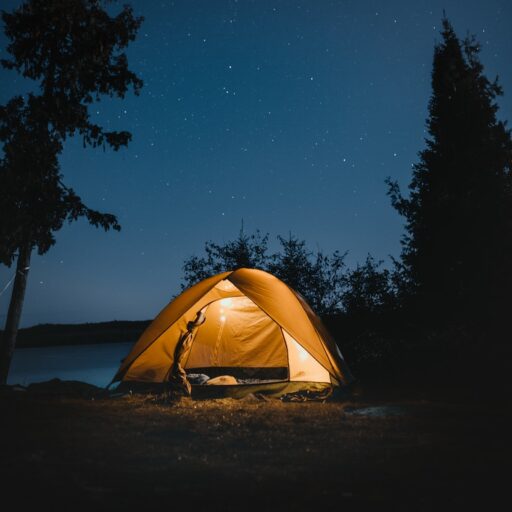
Camping in national parks is an adventure like no other—imagine waking up to the crisp mountain air, spotting wildlife just beyond your tent, and falling asleep under a canopy of stars. But as magical as it sounds, camping in these protected natural wonders requires more than just enthusiasm. It demands careful planning, the right gear, and a solid checklist to ensure you don’t forget anything crucial.
Did you know that over 300 million people visit U.S. national parks annually, making campsites some of the most sought-after spots in the country? That’s why we at Camping Checklist™ have crafted the most comprehensive 20-point checklist for camping in national parks in 2026. From essential gear and wildlife safety to insider booking hacks and eco-friendly practices, this guide covers every angle to help you camp smarter, safer, and more comfortably.
Stick around for our expert tips on bear-proofing your campsite, the best tech gadgets for navigation, and how to pack efficiently without overloading your backpack. Plus, we’ll reveal the top national parks for camping and how to snag a reservation before they fill up!
Key Takeaways
- Plan ahead and book early—national park campsites fill up fast, often months in advance.
- Pack smart with layered clothing and versatile gear tailored to the park’s climate and activities.
- Prioritize safety with bear spray, proper food storage, and navigation tools like GPS and offline maps.
- Embrace Leave No Trace principles to protect the environment and wildlife for future generations.
- Use a checklist app like our Camping Checklist™ to stay organized and avoid last-minute packing mishaps.
Ready to conquer your next national park camping trip? Let’s dive into the ultimate checklist that will make your adventure unforgettable!
Table of Contents
- ⚡️ Quick Tips and Facts for Camping in National Parks
- 🌲 The Ultimate Guide to Camping in National Parks: History and Essentials
- 🎒 1. The Basics: Must-Have Camping Gear for National Parks
- 🥾 2. Hiking Essentials: What to Pack for National Park Trails
- 🍳 3. Camp Kitchen Checklist: Cooking and Picnic Gear for National Parks
- ⛺ 4. Shelter and Sleeping Gear: Your Home Away from Home
- 🦌 5. Wildlife Safety and Bear-Proofing Your Campsite
- 🌦️ 6. Weather Preparedness: How to Pack for Changing National Park Climates
- 📱 7. Tech and Navigation Tools: Staying Connected and On Track
- 🚫 8. What NOT to Bring: Avoid These Common Camping Mistakes
- 🛶 9. Specialty Gear for Activities: Fishing, Kayaking, and More
- 👨 👩 👧 👦 10. Family-Friendly Camping: Gear and Tips for Kids in National Parks
- 🧳 11. Packing Hacks: How to Fit It All Without Overpacking
- 📝 Planning Your Trip: Permits, Reservations, and Park Regulations
- 🌟 Insider Tips: Secrets from Experienced National Park Campers
- 🧹 Leave No Trace: Eco-Friendly Camping Practices in National Parks
- 📅 When to Visit: Best Seasons and Timing for National Park Camping
- 🏕️ Top National Parks for Camping: Our Favorite Spots and Why
- 💡 Final Thoughts: Making the Most of Your National Park Camping Adventure
- 🔗 Recommended Links for National Park Camping Resources
- ❓ FAQ: Your Burning Questions About Camping in National Parks Answered
- 📚 Reference Links and Further Reading
⚡️ Quick Tips and Facts for Camping in National Parks
Camping in national parks is a dream for many outdoor enthusiasts, but it comes with its own unique set of challenges and thrills. At Camping Checklist™, we’ve learned that preparation is everything—and that’s where a solid checklist and smart planning app can save your trip from turning into a fiasco. If you haven’t checked out our Camping Checklist app, it’s a game changer for organizing your gear, meals, and itinerary.
Quick Facts to Kickstart Your Adventure
- Book Early: National park campgrounds fill up fast—sometimes six months in advance! (More on booking tips in the featured video)
- Layer Up: Weather can swing wildly—from scorching sun to chilly nights. Pack versatile clothing.
- Bear Safety: Bear spray and bear-proof containers are often mandatory. Know the rules of your park.
- Leave No Trace: National parks demand respect—pack out everything you bring in.
- Connectivity: Expect limited cell service; offline maps and GPS devices are lifesavers.
Pro Tip from Our Campers
“We once forgot our headlamps and had to navigate a pitch-black trail after sunset. Lesson learned: always pack backup lighting!” — Jamie, Camping Checklist™ team
Want more quick hacks? Check out our Camping Preparation Guide for in-depth tips.
🌲 The Ultimate Guide to Camping in National Parks: History and Essentials

Before we dive into gear, let’s take a quick stroll through the roots of camping in national parks. The National Park Service (NPS), established in 1916, has preserved some of America’s most breathtaking landscapes. Camping here isn’t just about pitching a tent—it’s about immersing yourself in nature’s grandeur responsibly.
Why Camping in National Parks is Special
- Protected Wilderness: These parks preserve ecosystems and wildlife habitats.
- Regulated Camping: Strict rules protect both campers and nature.
- Diverse Terrain: From deserts to alpine forests, each park demands different gear and preparation.
The Evolution of Camping Gear
Gone are the days of heavy canvas tents and bulky gear. Today’s campers enjoy ultralight tents like the MSR Hubba Hubba NX and compact stoves like the Jetboil Flash. But no matter how sleek the gear, the fundamentals remain the same: shelter, warmth, hydration, and safety.
🎒 1. The Basics: Must-Have Camping Gear for National Parks
Let’s get down to the essentials. Here’s a detailed rating table for some of the top basic gear every national park camper should consider:
| Gear Item | Design (1-10) | Functionality (1-10) | Durability (1-10) | Portability (1-10) | Overall (1-10) |
|---|---|---|---|---|---|
| MSR Hubba Hubba NX Tent | 9 | 9 | 8 | 9 | 9 |
| Jetboil Flash Stove | 8 | 10 | 7 | 9 | 8.5 |
| Hydro Flask Water Bottle | 9 | 9 | 9 | 8 | 8.8 |
| Black Diamond Headlamp | 8 | 9 | 8 | 9 | 8.5 |
| Sawyer Mini Water Filter | 7 | 8 | 7 | 10 | 8 |
Shelter: MSR Hubba Hubba NX Tent
- Features: Lightweight, waterproof, quick setup, double-wall design for condensation control.
- Benefits: Perfect for backpacking and car camping alike. Packs down small, which is a blessing on long hikes.
- Drawbacks: Slightly pricey, but worth every penny for durability and weather resistance.
Cooking: Jetboil Flash Stove
- Features: Boils water in under 3 minutes, integrated ignition, compact design.
- Benefits: Ideal for quick meals and hot drinks; fuel-efficient.
- Drawbacks: Limited cooking surface; best for boiling rather than frying.
Hydration: Hydro Flask Water Bottle
- Features: Double-wall vacuum insulation, BPA-free stainless steel, wide mouth.
- Benefits: Keeps water cold for hours, durable, easy to clean.
- Drawbacks: Heavier than plastic bottles.
🥾 2. Hiking Essentials: What to Pack for National Park Trails
Hiking is often the highlight of national park camping. Our campers swear by packing smart to stay safe and comfortable.
Hiking Gear Rating Table
| Item | Comfort (1-10) | Durability (1-10) | Weather Resistance (1-10) | Weight (1-10) | Overall (1-10) |
|---|---|---|---|---|---|
| Salomon X Ultra 3 GTX Boots | 9 | 9 | 9 | 7 | 8.5 |
| Darn Tough Socks | 10 | 10 | 8 | 9 | 9.3 |
| Black Diamond Trekking Poles | 8 | 9 | 8 | 7 | 8 |
| REI Sahara T-Shirt | 8 | 7 | 9 | 9 | 8.3 |
Footwear: Salomon X Ultra 3 GTX
- Why We Love It: Waterproof, supportive, and breathable. Perfect for rocky and wet trails.
- Pro Tip: Break them in before your trip to avoid blisters!
Clothing: Layering is Key
- Base Layer: Moisture-wicking (e.g., merino wool or synthetic).
- Mid Layer: Insulating fleece or puffy jacket.
- Outer Layer: Waterproof shell like the Mountain Hardwear Exposure/2 Gore-Tex Jacket.
Navigation Tools
- Paper maps and compass are essential backups.
- GPS devices like the Garmin GPSMAP 66i combine navigation and emergency SOS features.
- Download offline maps on your phone using apps like Gaia GPS or AllTrails (Camping and Hiking Apps).
🍳 3. Camp Kitchen Checklist: Cooking and Picnic Gear for National Parks
Eating well fuels your adventure. Here’s what our team packs for a hassle-free camp kitchen.
Essential Cooking Gear
| Item | Portability | Ease of Use | Durability | Versatility | Overall |
|---|---|---|---|---|---|
| GSI Outdoors Pinnacle Camper Cookset | 8 | 9 | 8 | 9 | 8.5 |
| MSR PocketRocket Stove | 9 | 10 | 7 | 8 | 8.5 |
| Yeti Roadie 24 Cooler | 7 | 8 | 10 | 7 | 8 |
What to Pack
- Cookset: Pots, pans, cutting board, utensils (spork is a camper favorite).
- Stove & Fuel: MSR PocketRocket is lightweight and reliable.
- Cooler: Yeti Roadie 24 keeps perishables fresh longer.
- Food Storage: Bear-proof containers or lockers are mandatory in many parks.
- Cleaning Supplies: Biodegradable soap, sponge, collapsible basin.
Meal Ideas
- Breakfast: Instant oatmeal, granola bars, coffee.
- Lunch: Wraps, peanut butter & jelly, trail mix.
- Dinner: Freeze-dried meals or simple pasta with sauce.
- Snacks: Jerky, nuts, dried fruit.
⛺ 4. Shelter and Sleeping Gear: Your Home Away from Home
A good night’s sleep is priceless when camping. Here’s what we recommend:
Sleeping Gear Ratings
| Item | Warmth | Comfort | Weight | Durability | Overall |
|---|---|---|---|---|---|
| Therm-a-Rest NeoAir XTherm Sleeping Pad | 9 | 9 | 8 | 8 | 8.5 |
| Western Mountaineering Alpinlite Sleeping Bag | 10 | 9 | 7 | 9 | 8.8 |
| ENO DoubleNest Hammock | 8 | 8 | 9 | 7 | 8 |
Sleeping Bag
- Choose based on expected temperatures; a 20°F rating covers most summer nights in many parks.
- Down bags like Western Mountaineering Alpinlite offer excellent warmth-to-weight ratio.
Sleeping Pad
- Insulation (R-value) is critical for cold ground. NeoAir XTherm is a top choice for warmth and packability.
Shelter Options
- Tents: MSR Hubba Hubba NX is a favorite for its balance of weight and space.
- Hammocks: ENO DoubleNest is great for warm weather and uneven terrain but requires trees.
🦌 5. Wildlife Safety and Bear-Proofing Your Campsite
National parks are home to majestic and sometimes dangerous wildlife. Safety is non-negotiable.
Bear Safety Essentials
- Bear Spray: Must-have in bear country. We recommend Counter Assault Bear Spray for its reliability.
- Food Storage: Use park-provided bear lockers or bear canisters like the BearVault BV500.
- Camp Practices: Never keep food or scented items in your tent. Cook and eat away from sleeping areas.
Other Wildlife Tips
- Keep a safe distance from all animals.
- Do not feed wildlife; it disrupts their natural behavior.
- Store trash securely and pack out all waste.
🌦️ 6. Weather Preparedness: How to Pack for Changing National Park Climates
Weather in national parks can be as unpredictable as a plot twist in a thriller. One minute it’s sunny, the next, a thunderstorm rolls in.
Understanding Park Weather Patterns
- High elevation parks like Yellowstone can have snow even in summer.
- Desert parks like Joshua Tree experience scorching days and cold nights.
- Coastal parks like Acadia can be damp and foggy.
Packing for Weather Variability
- Layering: As covered earlier, layers let you adapt quickly.
- Rain Gear: A lightweight, breathable rain jacket (e.g., Mountain Hardwear Exposure/2 Gore-Tex) is essential.
- Sun Protection: Wide-brim hats, sunglasses, and high SPF sunscreen.
- Extra Socks and Gloves: For cold mornings and evenings.
📱 7. Tech and Navigation Tools: Staying Connected and On Track
While national parks encourage unplugging, some tech is essential for safety and convenience.
Recommended Devices
| Device | Battery Life | Durability | Functionality | Portability | Overall |
|---|---|---|---|---|---|
| Garmin GPSMAP 66i | 35 hours | 9 | 10 | 7 | 8.8 |
| Anker PowerCore Portable Charger | N/A | 8 | 9 | 9 | 8.5 |
| Black Diamond Spot Headlamp | 20+ hours | 8 | 9 | 9 | 8.5 |
Tips for Using Tech in the Wild
- Download offline maps and trail guides before you go.
- Carry extra batteries or power banks.
- Use emergency SOS features on GPS devices if available.
🚫 8. What NOT to Bring: Avoid These Common Camping Mistakes
Sometimes, knowing what to leave behind is just as important as packing the right gear.
Items to Skip
- Drones: Many parks prohibit drones to protect wildlife and visitors.
- Excessive Clothing: Overpacking leads to heavy loads and clutter.
- Glass Containers: Risk of breakage and injury.
- Non-Bear-Proof Food Storage: Invites wildlife and risks fines.
- Valuables: Leave expensive jewelry and unnecessary electronics at home.
🛶 9. Specialty Gear for Activities: Fishing, Kayaking, and More
Many national parks offer activities beyond hiking and camping. Here’s what to consider:
Fishing Gear
- Check park regulations for licenses and permitted fishing spots.
- Lightweight rods and compact tackle boxes are ideal.
Kayaking and Canoeing
- Inflatable kayaks like Intex Explorer K2 are portable and easy to pack.
- Don’t forget life jackets and waterproof dry bags.
Biking
- Mountain bikes with sturdy tires are best for rugged trails.
- Helmet and repair kits are mandatory.
👨 👩 👧 👦 10. Family-Friendly Camping: Gear and Tips for Kids in National Parks
Camping with kids can be magical but requires extra planning.
Kid-Friendly Gear
- Child-sized sleeping bags and backpacks.
- Fun, educational gear like nature journals or binoculars.
- Portable camping chairs for little campers.
Tips for Parents
- Plan shorter hikes with frequent breaks.
- Bring plenty of snacks and hydration.
- Teach kids about wildlife safety early.
🧳 11. Packing Hacks: How to Fit It All Without Overpacking
Packing for national parks is a balancing act. Here are our favorite hacks:
- Use Packing Cubes: Organize clothes and gear by category.
- Multi-Use Items: A bandana can be a towel, sunshade, or pot holder.
- Compressible Gear: Sleeping bags and jackets that compress save space.
- Checklists: Use our Camping Checklist app to avoid last-minute panic.
📝 Planning Your Trip: Permits, Reservations, and Park Regulations
Booking Your Campsite
- Many parks require reservations months in advance.
- Use Recreation.gov or park-specific websites.
- Monitor cancellation sites like Campnab.com and YesYouCamp.com for last-minute openings (featured video).
Permits and Rules
- Check if your park requires backcountry permits or fire permits.
- Familiarize yourself with park-specific regulations on fires, pets, and waste disposal.
🌟 Insider Tips: Secrets from Experienced National Park Campers
- Arrive Early: Popular campgrounds fill by mid-morning.
- Scout Your Site: Look for flat, shaded spots away from trails.
- Be Flexible: Weather or wildlife may force plan changes—embrace it!
- Engage Rangers: They’re treasure troves of local knowledge.
🧹 Leave No Trace: Eco-Friendly Camping Practices in National Parks
Respecting nature is the heart of national park camping.
The 7 Principles of Leave No Trace
- Plan ahead and prepare.
- Travel and camp on durable surfaces.
- Dispose of waste properly.
- Leave what you find.
- Minimize campfire impact.
- Respect wildlife.
- Be considerate of other visitors.
Learn more at the Leave No Trace Center for Outdoor Ethics.
📅 When to Visit: Best Seasons and Timing for National Park Camping
- Spring: Wildflowers bloom, fewer crowds, but some roads/trails may be closed.
- Summer: Peak season with warm weather and full services. Book early!
- Fall: Cooler temps, vibrant foliage, and quieter campgrounds.
- Winter: Limited access but magical snowy landscapes for the adventurous.
🏕️ Top National Parks for Camping: Our Favorite Spots and Why
| Park Name | Best For | Highlights | Recommended Campgrounds |
|---|---|---|---|
| Yellowstone | Wildlife & Geysers | Old Faithful, Lamar Valley | Madison, Grant Village |
| Yosemite | Scenic Views & Hikes | Half Dome, Yosemite Falls | Upper Pines, Tuolumne Meadows |
| Acadia | Coastal Beauty | Ocean views, Cadillac Mountain | Blackwoods, Seawall |
| Grand Teton | Mountain Views | Jenny Lake, Teton Range | Jenny Lake, Gros Ventre |
| Zion | Canyons & Hiking | Angels Landing, The Narrows | Watchman, South Campground |
💡 Final Thoughts: Making the Most of Your National Park Camping Adventure
Camping in national parks is an unforgettable experience that combines adventure, nature, and tranquility. With the right checklist, gear, and mindset, you’ll be ready for anything the wild throws your way.
Remember, planning and preparation are your best friends—and a good checklist app like ours can make all the difference.
🔗 Recommended Links for National Park Camping Resources
- National Park Service Official Site
- Recreation.gov – Campground Reservations
- Leave No Trace Center for Outdoor Ethics
- Campnab – Cancellation Alerts
- YesYouCamp – Campsite Alerts
- Camping Checklist App
❓ FAQ: Your Burning Questions About Camping in National Parks Answered

Q: Do I need a permit to camp in national parks?
A: It depends on the park and type of camping. Frontcountry sites usually require reservations; backcountry camping often requires permits. Always check the park’s official website.
Q: Can I bring my dog?
A: Many parks have strict rules about pets. Generally, dogs are allowed in campgrounds but not on most trails. Check specific park policies.
Q: What if I forget something?
A: Most parks have nearby towns with stores, but prices can be high. Use our checklist app to minimize forgotten essentials.
Q: How do I stay safe from bears?
A: Carry bear spray, store food properly, and follow park guidelines. Never run or approach bears.
📚 Reference Links and Further Reading
- NPS 10 Essentials
- Happiest Outdoors Yellowstone Packing List
- The Ocean Drifter Acadia Camping List
- Leave No Trace Principles
For a fantastic overview of booking campsites in national parks, check out this YouTube video that shares five expert tips, including booking early, monitoring cancellations, and combo-camping strategies. It’s a must-watch for snagging that perfect spot!
💡 Conclusion: Your Ultimate Camping Checklist for National Parks Awaits!

Camping in national parks is a thrilling adventure that demands respect, preparation, and the right gear. From our deep dive into essentials like shelter, hiking gear, and wildlife safety, to insider tips on booking and eco-friendly practices, you’re now equipped to tackle any national park with confidence. Remember the story of Jamie’s forgotten headlamps? That’s why a thorough checklist and a reliable planning app are your best friends—they keep you prepared, safe, and stress-free.
Whether you’re pitching a tent under the stars or exploring rugged trails, the gear we’ve recommended—from the MSR Hubba Hubba NX tent to the Jetboil Flash stove—has been tested and loved by our Camping Checklist™ team for its durability, functionality, and ease of use. While some items come with a higher price tag, the investment pays off in comfort and safety.
So, pack smart, respect the wilderness, and get ready for memories that will last a lifetime. Your next national park camping trip is calling—are you ready to answer?
🔗 Recommended Links for Gear and Resources
-
MSR Hubba Hubba NX Tent:
Amazon | MSR Official Website -
Jetboil Flash Stove:
Amazon | Jetboil Official Website -
Hydro Flask Water Bottle:
Amazon | Hydro Flask Official Website -
Black Diamond Headlamp:
Amazon | Black Diamond Official Website -
Sawyer Mini Water Filter:
Amazon | Sawyer Official Website -
Counter Assault Bear Spray:
Amazon | Counter Assault Official Website -
BearVault BV500 Canister:
Amazon | BearVault Official Website -
Therm-a-Rest NeoAir XTherm Sleeping Pad:
Amazon | Therm-a-Rest Official Website -
Western Mountaineering Alpinlite Sleeping Bag:
Amazon | Western Mountaineering Official Website -
Salomon X Ultra 3 GTX Hiking Boots:
Amazon | Salomon Official Website -
Mountain Hardwear Exposure/2 Gore-Tex Jacket:
Amazon | Mountain Hardwear Official Website -
Garmin GPSMAP 66i:
Amazon | Garmin Official Website -
Anker PowerCore Portable Charger:
Amazon | Anker Official Website -
Black Diamond Spot Headlamp:
Amazon | Black Diamond Official Website
Recommended Books on Camping and National Parks
-
The National Parks: America’s Best Idea by Dayton Duncan & Ken Burns
Amazon -
The Backpacker’s Field Manual by Rick Curtis
Amazon -
Leave No Trace: A Guide to the New Wilderness Etiquette by Annette McGivney
Amazon
❓ FAQ: Your Burning Questions About Camping in National Parks Answered

What essential items should I include in a national park camping checklist?
Your checklist should cover shelter (tent, sleeping bag, sleeping pad), cooking gear (stove, utensils), clothing layers, navigation tools (maps, GPS), hydration (water bottles, filters), safety gear (first aid kit, bear spray), and lighting (headlamps, flashlights). Don’t forget personal items like sunscreen, insect repellent, and toiletries. Our detailed gear ratings and packing guides above can help you tailor your list to your specific park and activities.
How can a checklist app help me plan my camping trip to national parks?
A checklist app like Camping Checklist™ allows you to customize your packing list, track what you’ve packed, and even plan meals and activities. It reduces the risk of forgetting essentials, helps manage weight by avoiding overpacking, and can sync across devices for group trips. Plus, it’s a great way to stay organized when juggling permits, reservations, and gear.
What safety gear is recommended for camping in national parks?
Safety gear includes a well-stocked first aid kit, bear spray in bear country, navigation tools (compass, GPS), headlamps or flashlights with extra batteries, and emergency shelter like a tarp or space blanket. Also, carry a whistle and know the park’s emergency contact procedures. Proper food storage containers like bear canisters are critical to avoid wildlife encounters.
Are there specific permits required for camping in national parks?
Yes, many parks require campground reservations and backcountry permits. Fire permits may also be necessary depending on the season and park regulations. Always check the official park website or Recreation.gov for current rules and to secure your permits well in advance.
How do I prepare a camping checklist for different weather conditions in national parks?
Research the park’s typical weather for your visit season. Pack layered clothing to adapt to temperature swings, include rain gear like waterproof jackets, and bring extra socks and gloves for cold nights. Consider your sleeping bag’s temperature rating and select gear accordingly. Our weather preparedness section offers detailed advice on this.
What food and water supplies should I pack for camping in national parks?
Pack non-perishable, nutrient-dense foods like trail mix, jerky, freeze-dried meals, and easy-to-cook staples. Bring enough water or reliable water treatment options like the Sawyer Mini Filter or purification tablets. Always plan for extra food and water in case of delays or emergencies.
Can a checklist app help me organize gear and activities for national park camping?
Absolutely! Beyond packing, checklist apps help you schedule hikes, track meal plans, manage group gear sharing, and even remind you of permits or reservation deadlines. This holistic approach ensures a smoother, more enjoyable camping experience.
📚 Reference Links and Further Reading
- National Park Service – 10 Essentials
- Happiest Outdoors – Yellowstone Packing List
- The Ocean Drifter – Packing List for Camping in Acadia National Park
- Leave No Trace Center for Outdoor Ethics
- Recreation.gov – Campground Reservations
- Campnab – National Park Campsite Cancellation Alerts
- YesYouCamp – Campsite Alerts and Reservations
- MSR Official Website
- Jetboil Official Website
- Hydro Flask Official Website
- Black Diamond Equipment
- Sawyer Products
- Counter Assault Bear Spray
- BearVault
- Therm-a-Rest
- Western Mountaineering
- Salomon
- Mountain Hardwear
- Garmin
- Anker
Ready to start packing? Don’t forget to download our Camping Checklist app to keep your gear and plans perfectly organized. Happy camping! 🏕️✨